January 23, 2018
UK in 8th place for global talent competitiveness but gender equality lags behind
 The UK has been ranked as the eighth best country in the world for the ability to attract, retain, train and educate skilled workers, but while its ability to leverage diversity for talent competitiveness is boosted by its global knowledge skills – the UK is undermined by its weaker performance on tolerance and gender equality. According to the Global Talent Competitiveness Index GTCI) produced by the Adecco Group, with international business school INSEAD and Tata Communications, the UK has a particularly strong pool of global knowledge skills, a variable for which it is ranked third in the index boosted further by its strong regulatory, market and business landscape. But this is undermined by its internal openness, where it still lags behind, especially when it comes to gender equality. The report also suggests that although Article 50 was triggered in 2017, the ongoing negotiations and continuing lack of clarity over the UK’s position once it leaves the European Union in 2019, means the impact of Brexit is not yet clear.

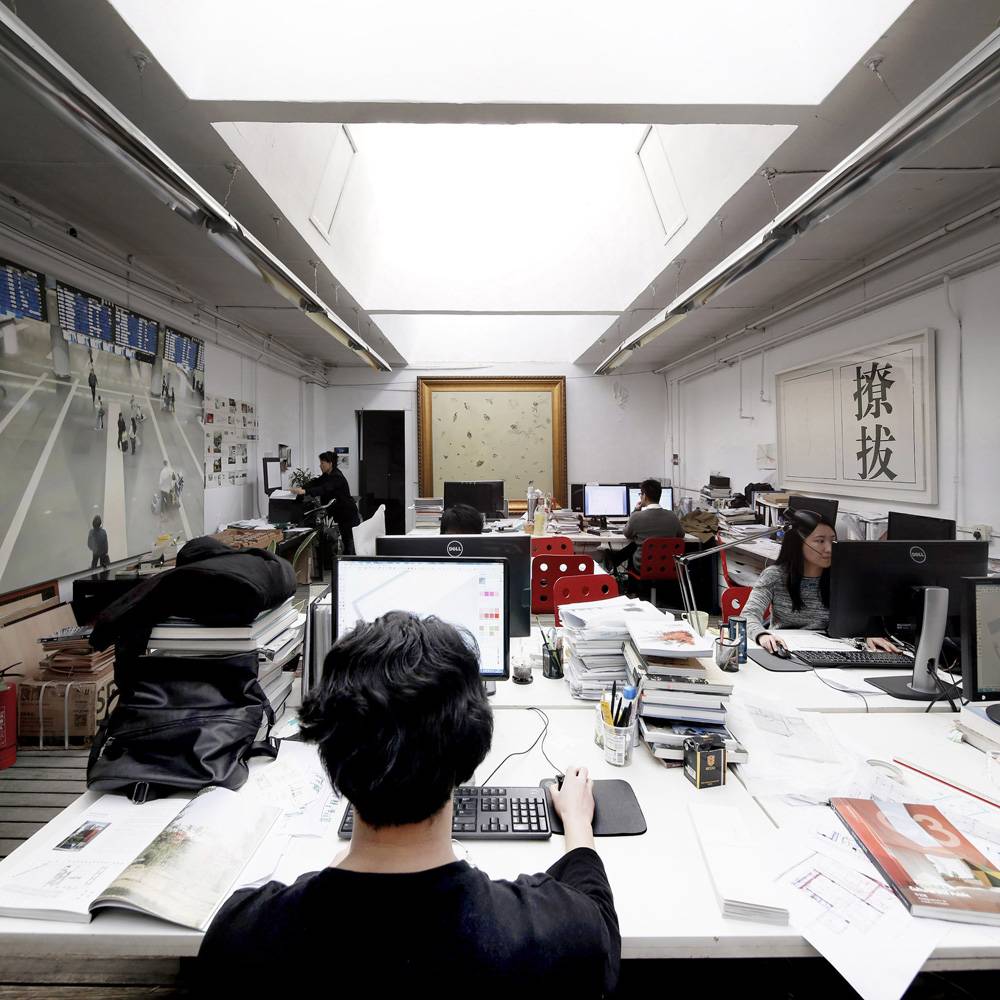


 An increase in the number of UK-born employees leaving the UK’s workforce, either through retirement or emigration is coinciding with a shrinking pool of younger workers, which a fall in immigration can no longer fill, a new report warns. An analysis of the UK’s workforce showed that the UK’s workforce grew in 2016-2017 only because of an increase in EU and non-EU workers.
 Emerging technologies such as artificial intelligence, robotics, virtual reality, augmented reality and cloud computing, will transform our lives and how we work over the next decade; and by 2030 every organisation will be a technology organisation. As such businesses need to start thinking today about how to future-proof their infrastructure and workforce, according to a report published by Dell Technologies. The research, led by the Institute for the Future (IFTF) alongside 20 technology, academic and business experts from across the globe also offers insight on how consumers and businesses can prepare for a society in flux. ‘