







September 26, 2016
Employers must adopt a trust based approach to flexible working 0
 Employers are being urged to create a more inclusive and flexible working environment for their employees by adopting a trust based approach which focuses on the meeting of objectives rather than hours. This is the advice of Harvard University’s Global Leadership award winner Charlotte Sweeney on the launch of National Work/Life Week. In 2015, 23 percent of employees were reported to be doing some of their work remotely, up from 19 percent in 2003 according to the Bureau of Labour Statistics. But more than just adopting agile working, the diversity expert says businesses should begin to focus on individual well-being and supporting employees to enrich all aspects of their lives, their families and their communities. Corporates should implement a trust-based approach, which focuses on employees meeting their objectives, rather than focusing on where they are actually doing the work or even how many hours it takes to complete.


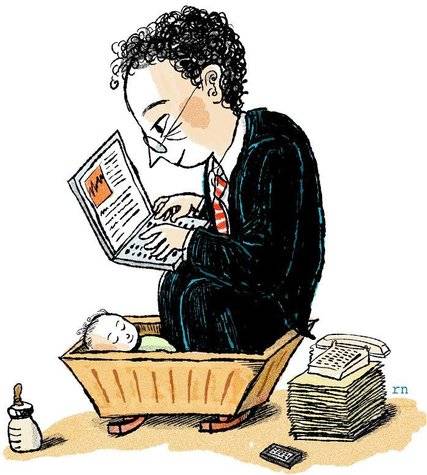


 We’re operating in an increasingly tech-centric environment, but human talent still remains one of the core differentiators if a business is to thrive. Not surprisingly, the mission to get the very best people on board and optimise the potential of those already in situ has become the Holy Grail for many companies, irrespective of scale and sector – a challenge that demands a more intuitive and precise, even scientific approach to human capital management. Data analytics is a case in point, designed to extrapolate insight from intelligence across a variety of disparate sources and establish actionable intelligence, capabilities which naturally lend themselves to powering key decisions around hiring and retention and building on existing talent. Yet despite the proliferation of analytics across many strands of the workplace, take up in the HR sphere remains relatively modest, in tandem with a long-held reticence over the use of the technology in this area.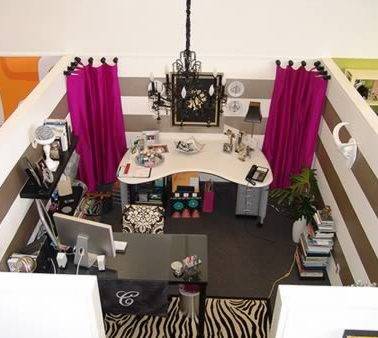
 In America at least, the great symbol of corporate conformity is the office cubicle. Satirised in the Dilbert cartoons and a staple in any movie about the degrading aspects of modern working life, the cubicle provides a perfect shorthand way of portraying an individual crushed by the corporate jackboot. Yet what these things miss is the propensity of people to personalise their surroundings and claim a space as their own, even if only for the short time they may be there. This seems to be particularly the case when it comes to office design and so we were much taken with
 Gensler has announced the results of its Workplace Survey 2016 for both










August 17, 2016
Do people really matter when we design workplaces? 0
by Steve Maslin • Comment, Events, Facilities management, Workplace design
(more…)