April 5, 2017
Drastic changes needed to workplace laws as age of automation dawns 0
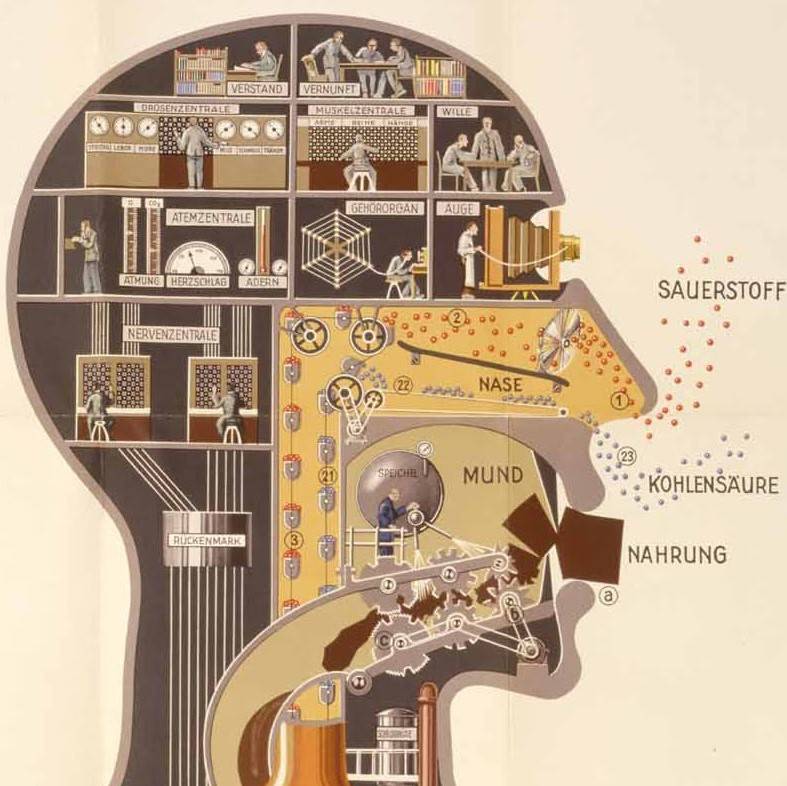 The rise of robots and automation in the workplace will lead to drastic changes to laws across the world, a new report suggests. The present wave of automation, driven by artificial intelligence (AI) – the development of computer systems able to perform tasks normally requiring human intelligence – is creating a gap between current legislation and new laws necessary for an emerging workplace reality, states a report published by the International Bar Association Global Employment Institute (IBA GEI). Artificial Intelligence and Robotics and Their Impact on the Workplace focuses on potential future trends in AI, and the likely impact intelligent systems will have on the labour market, companies, employees’ working time, remuneration and the workplace environment.













 Demand for construction workers in London looks set to grow due to the completion of Crossrail and the extension of the Northern Line alongside other infrastructure projects. But a new analysis reveals the Capital is struggling to attract and train the workforce needed; with London and the South East having a shortfall of 60,000 people in the construction industry. This is according to a first of its kind analysis of the role of migration on London’s economy by London First and PwC.