







November 27, 2015
Built environment crucial to attaining emissions targets say RICS of COP21 0
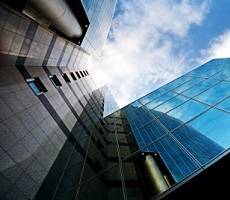 The built environment has a vital role to play in helping governments meet their carbon dioxide (CO2) emissions targets says RICS – ahead of the 21st Conference of the Parties or COP21. This begins on Monday, when 196 governments meet in Paris for the climate change summit hosted by the United Nations. Buildings are some of the biggest emitters of CO2 accounting for one-third of global greenhouse gasses. Commercial and residential buildings also account for 40 percent of the world’s energy consumption. RICs is working with members in the land, real estate and construction sectors to find solutions across the property lifecycle to support more sustainable business practices, and will be in Paris to join stakeholders from governments, industry and civil society to support efforts to reach an agreement. The commitments made at the summit could have far-reaching repercussions for the built environment, and the global economy more generally.















November 18, 2015
Women earn less than men because they make different choices, report confirms 0
by Mark Eltringham • Comment, News, Workplace
(more…)