






October 17, 2014
Google and Deloitte set out blueprint for collaborative work in Australia
 Deloitte Digital has launched the final version of its report into the collaborative economy carried out on behalf of Google Australia. An interim report, published in July, estimated that the benefits of collaboration to the Australian economy is already $46 billion and could rise to $56 billion. The report also claims that collaboration could help to address specific structural problems including falling productivity and a comparative lack of innovation. The study claims that the average Australian worker spends just under half of a typical working day interacting with other people but that there remains considerable room for improvement in the way those interactions take place. The final version of the report also includes a toolkit to help individuals and organisations to gauge their level and success of their collaborative work. Tellingly, the test is weighted one-third to workplace design, one-third to technology and one-third to culture and governance.

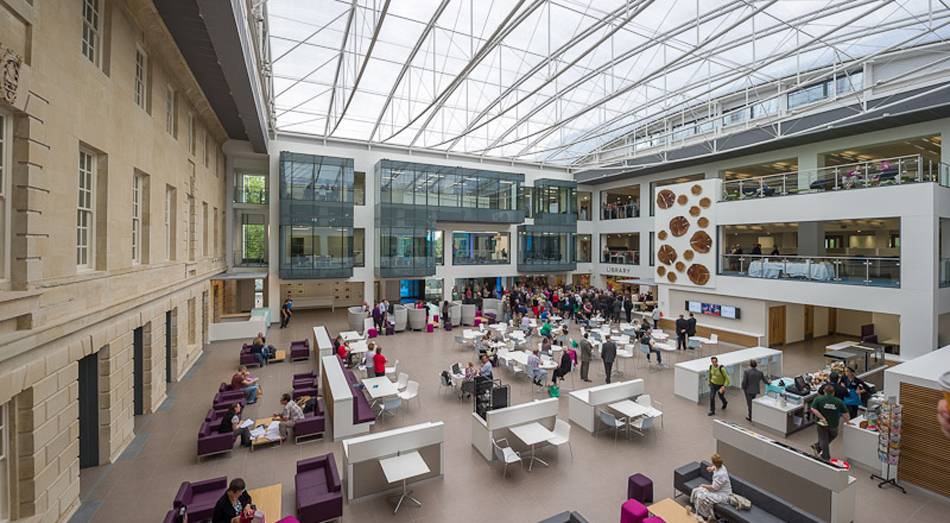





 Amongst all the talk about Generation Y and its impact on the world of work, it can be easy to miss the fact that the modern workplace is not defined by one particular generation, but a number of them. The multi-generational workplace has significant implications for the way we design and manage offices. While we must avoid the more obvious stereotypes about the needs of different age groups, we must still offer spaces that can meet a wide range of cultural, physical and technological needs if we are to create productive workplaces.The latest organisation to bang the drum for the multi-generational workplace is the Chartered Institute of Personnel and Development. It has published new research together with the Scottish Centre for Healthy Working Lives into the experiences and attitudes of SMEs towards age diversity at work.
 At the end of July, the UK Government introduced new legislation that allowed any employee with more than six months in a job to apply to their employer for some form of flexible working arrangements. Now, research from Sage claims that a third of small businesses are ignoring the legislation, a fact which might be interpreted as suggesting that the UK’s SMEs are not so keen on the idea. What other data suggests, however, is that they’re probably more likely to offer flexible working than larger firms. This can only mean that it’s the legislation that’s the problem, not the practice. Leaving aside the ten percent of SMEs who the Sage report claimed were unaware of the new rules, this still leaves a large number of smaller businesses open to litigation and industrial tribunals. But, as the Federation of Small Businesses warned ahead of the new law’s introduction, the right to request was always likely to lead to headaches for business owners anyway.









October 20, 2014
If you want to reduce the cost of your office, move to a creative area
by Maciej Markowski • Comment, Facilities management, Property, Technology
Clerkenwell Design Week
“First we shape our buildings, thereafter our buildings shape us.” Winston Churchill, House of Commons opening speech. Buildings do indeed shape us, but what seems to affect us even more is the neighbourhood. It’s the immediate environment as opposed to buildings that is much harder to create. It needs numerous factors to influence it, among them the two most precious components– the right people and enough time. Politicians all over the world dream of creating zones that will draw the most innovative companies. But it seems that most of them grow organically – the Silicon Valley in California, the Silicon Alley in New York and the Silicon Roundabout in London. The combination of low rents, proximity to the centre of a dynamic metropolis and interesting culture made the East London neighbourhood of Shoreditch, Clerkenwell and Aldgate a perfect magnet for some of the world’s most exciting companies. So should you think about relocating there too? Here are some things to consider. (more…)