







January 15, 2018
Is there a link between creativity and depression?
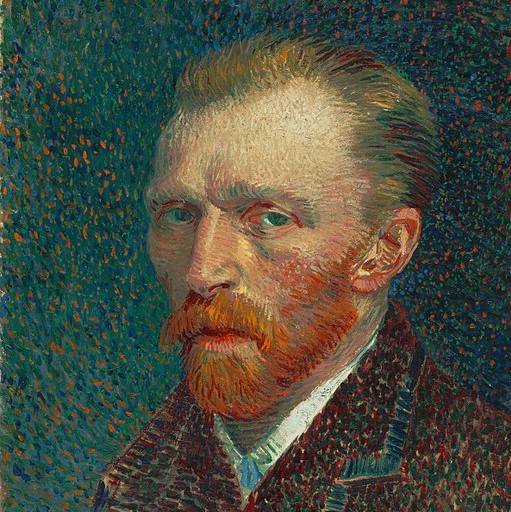 The link between creativity and depression or other mood disorders is something of a cliché, but one explored in a new meta-analysis published in the journal Perspectives on Psychological Science. The study from Christa L Taylor set out to discover whether there was any truth to the twin ideas of the tortured genius and of misery as an inspiration for creativity. Based on 36 studies into the relationship between mood disorders and creative thinking involving very high numbers of people, the report concludes that there are often strong correlations but that causation is somewhat harder to pin down. The diagnosis of mental disorders and the incidence of creativity is also complicated by the fact that researchers may often be unable to distinguish between the two.












January 2, 2018
We need to stop talking about self-employment as a monocultural phenomenon
by Andrea Broughton • Comment, Flexible working
(more…)