







October 31, 2016
Newsletter: Self-image problem + Top tech trends for 2017 + Offices more productive places? 0
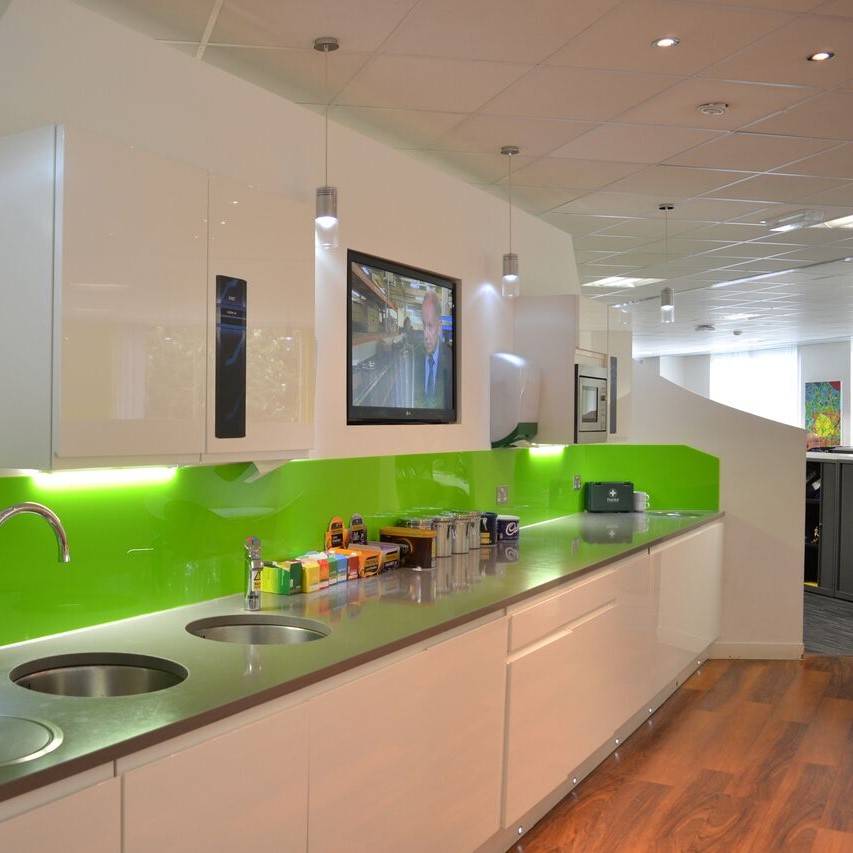 In this week’s Newsletter; Steven Lambert argues millennials’ love of mod cons may make them dislike noisy open offices; Cathy Hayward describes a tech giant’s One Team approach to workplace management and design; and Mark Eltringham says FM is not alone in thinking that it doesn’t shout loudly enough. The majority of people prefer working in an office; Gartner highlights the top technology trends; a belief Brexit could improve European commercial real estate investment opportunities; and the majority of freelancers don’t want more employment rights. Automation could swallow a sixth of public sector jobs; flexible working behind growing popularity of self-employment; and corporate real estate sector is reducing energy consumption, carbon emissions and water usage. Download our new Briefing, produced in partnership with Boss Design on the link between culture and workplace strategy and design; visit our new events page, follow us on Twitter and join our LinkedIn Group to discuss these and other stories.















October 19, 2016
Where are zero hours contracts and the gig economy taking us? 0
by Mike James • Comment, Flexible working
(more…)