







June 30, 2022
The fifteen minute city will transform the way we think about workplaces
 For most of history, there have been a small number of immovable truisms that formed the nature of what work is, and how communities form around it. While individuals have long held some agency around the structure and pattern of their work, being present in a communal workplace has been a non-negotiable reality. This need to work from an office comes wed with parallel requirements to help facilitate it. Employees have been willing to strike a compromise between where they wish to live and where they want to work through commutes, with the financial and time cost and associated stress that comes along with it. (more…)

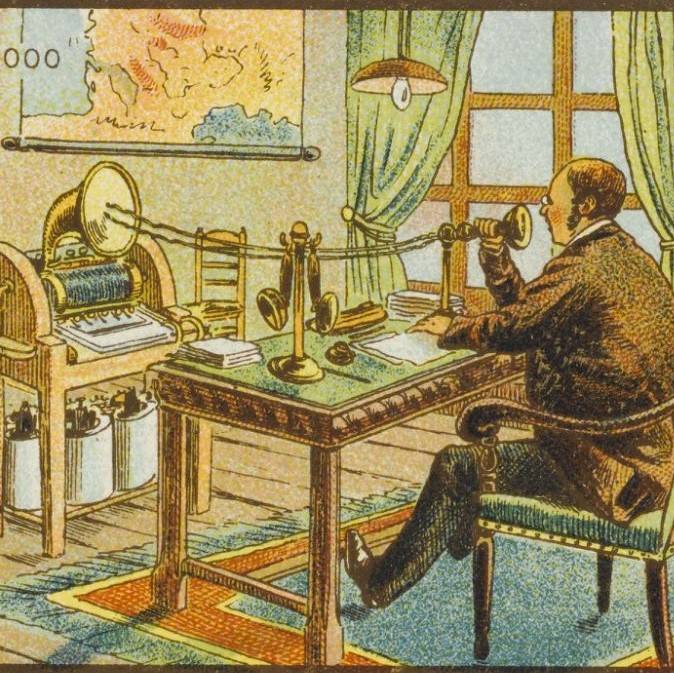
 At the 1983 International Design Conference in Aspen, Steve Jobs delivered a speech addressing the theme of the conference; The Future Isn’t What It Used to Be. In it he set out his thoughts on new technology, intuitive design, personal computing as well as the need for a constantly evolving idea of what the future will look like, including the future of work.












June 29, 2022
Workplace green flags to look out for
by Samantha Losey • Comment, Wellbeing