Search Results for: generation z

Data centres are the most significant building type in the world right now. And we need to talk about that
Data centres are the most significant building type in the world right now. And we need to talk about that

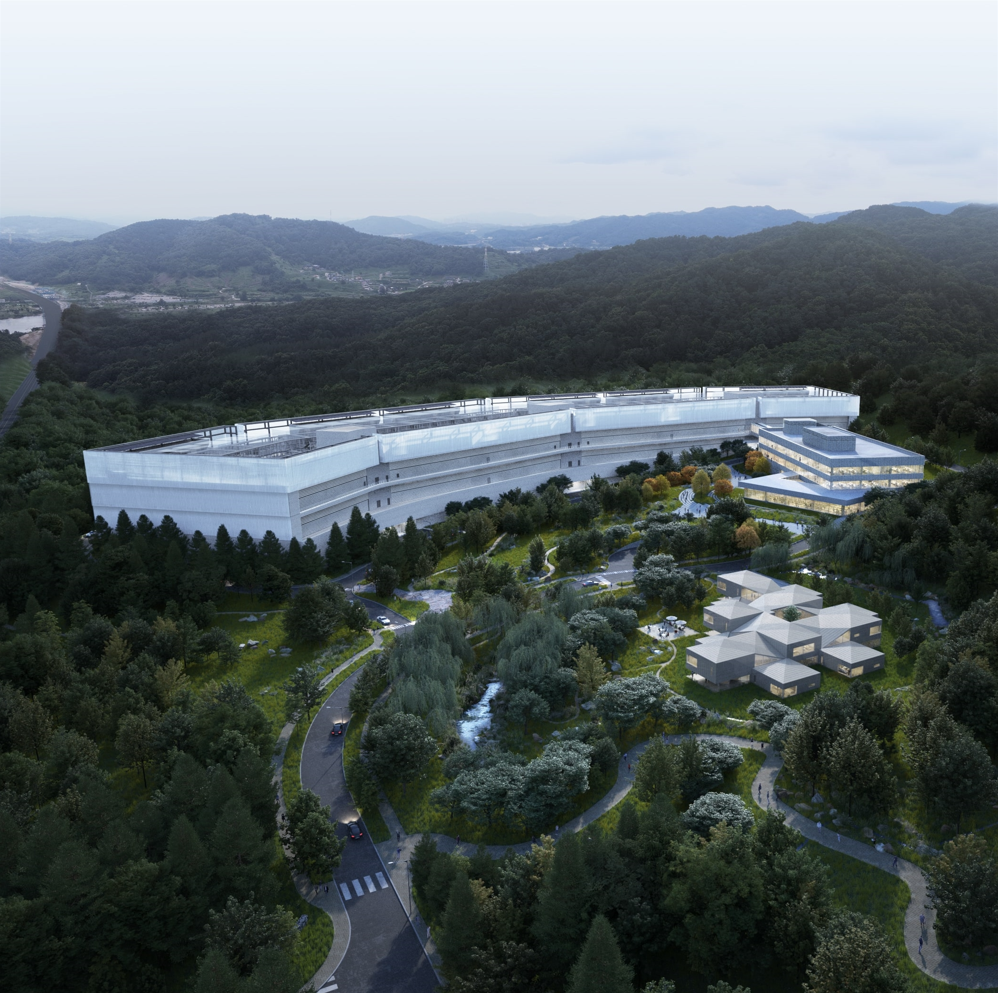
Data centres have always been a slight anomaly in the Built Environment sector, part property and part critical infrastructure (talking in wattage rather than square footage for example), lacking aesthetic appeal and they are not significant employers, they are often considered a necessary evil to support our hyper-communicative lifestylesThe Data Centre Congress which took place from June 1st to 4th in Cannes is to data centres what mipim is to the more traditional markets in property, a place where the good and the great – from investors and operators, to the engineers and power providers, gather to network and contemplate the challenges and the future of the sector. In Q1 last year there was a slight chill through the sector after Microsoft halted data centre plans across the US and Europe to the tune of 2GW, citing caution around the overexpansion of AI and uncertainty around tariffs. What seemed like bombshell news at the time, felt like a mere blip and a distant memory at the 2026 edition and this juggernaut of activity is showing zero signs of slowing, a market that is currently worth over $300 billion is set to rise to $699.13 billion by 2034. (more…)

Worst new buildings list highlights concerns over quality and value in property development

Worst new buildings list highlights concerns over quality and value in property development

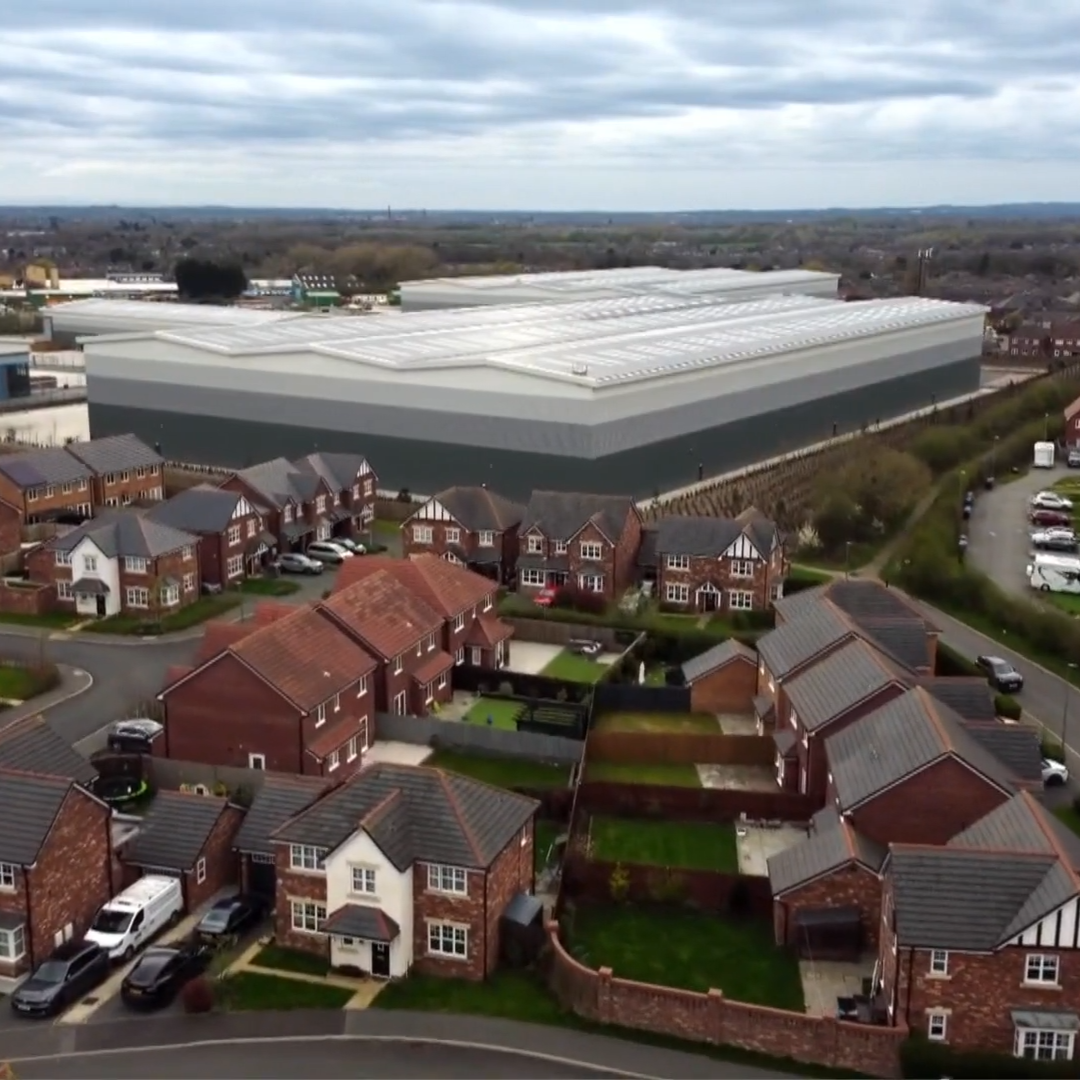
A satirical architecture award has drawn attention to what its organisers describe as some of the UK's most problematic recent property developments, with judges arguing that concerns about design quality are increasingly linked to broader issues around procurement, construction standards and development priorities.A satirical architecture award has drawn attention to what its organisers describe as some of the UK’s most problematic recent property developments, with judges arguing that concerns about design quality are increasingly linked to broader issues around procurement, construction standards and development priorities. The Carbuncle Cup 2026, organised by cultural magazine The Fence [subscription], named two joint winners from a shortlist of nine projects completed within the past two years. The award, which seeks to identify the country’s worst new building, was based on public nominations and assessed by a panel including former Architectural Review editor Cath Slessor. (more…)

A beacon of hope in an uncertain world. Works magazine 20 digital edition is here for you

A beacon of hope in an uncertain world. Works magazine 20 digital edition is here for you

The digital edition of issue 20 of Works magazine is now available for you to read here.  The new issue explores a workplace sector that is becoming increasingly confident about its future, even as it navigates rapid technological, social and economic change. The latest edition brings together major workplace projects, design debates and industry commentary that point to a common theme: the enduring value of connection, community and shared experience in an age of uncertainty. (more…)

What does Gen Z really think about AI? Boooooo!

What does Gen Z really think about AI? Boooooo!

I regularly meet with CEOs and Board members and the conversation always comes around to the same topic: how can we attract new talent? C-Suite upwards are borderline-obsessed by how to recruit and retain younger employees, eager to harness their energy, enthusiasm and the total lack of work-life boundaries that will come with experience. When keynote speakers were tasked with motivating graduating students during commencement speeches this year, they naturally looked at what was ‘in vogue’ and landed upon AI. This is hardly surprising. We cannot contact, purchase from or seek assistance from an organisation, without butting up against an AI agent, eagerly waiting to ‘help’. We are constantly being told that AI is the unavoidable future and so, for Gen X/ Boomer speakers seeking to connect with Gen Z and garner their approval, AI was a natural talking point. Except, it wasn’t. In a beautiful act of rebellion, Gen Z have taken a different path and have made their feelings about AI known. Loudly. (more…)

Government report warns of ‘economic catastrophe’ as young people struggle with mental health

Government report warns of ‘economic catastrophe’ as young people struggle with mental health

Former health secretary Alan Milburn has warned that Britain risks a “generational, societal and economic catastrophe” unless employers and government adapt to rising levels of poor mental health among young peopleFormer health secretary Alan Milburn has warned that Britain risks a “generational, societal and economic catastrophe” unless employers and government adapt to rising levels of poor mental health among young people. An interim review led by Milburn into the growing number of 16 to 24-year-olds not in education, employment or training argues that businesses will need to provide greater flexibility, pastoral care and mental health support to what he describes as an “anxious generation”. (more…)

Has the algorithm pushed us too far?

Has the algorithm pushed us too far?

‘Why post your selfies if you don't get attention for it, you can't reach your friends and you're just competing with all of this remote, abstracted garbage out there?’When it comes to social media, the clue is in the title. My generation joined Facebook circa 2006 with the ambition of staying connected with friends, sharing photos of nights out and throwing the odd sheep at each other (I guess you had to be there). The purpose of these platforms was clear; we wanted a way to be in touch. A platform to share jokes, stories and pictures, even when we weren’t physically all together. It was the ultimate group hang and one we could join from anywhere. It was fun, it was light, it was ultimately social. Then it changed. (more…)

People say they have a stronger sense of belonging at work, but daily experience still limited

People say they have a stronger sense of belonging at work, but daily experience still limited

A growing number of UK employees say they feel a stronger sense of belonging at work, although only a minority experience it consistentlyA growing number of UK employees say they feel a stronger sense of belonging at work, although only a minority experience it consistently on a day-to-day basis, according to new research from Procter & Gamble UK. The survey of 2,000 UK adults found that 82 percent of workers now say they feel a sense of belonging in the workplace, which P&G claims is the highest level recorded in more than a decade. However, only 20 percent said they consistently experience the conditions that make them feel they truly belong at work. (more…)

Memories of the Office Age 

Memories of the Office Age 

memories of the office ageOriginally published in November 2021. No author uses the built environment like J G Ballard. In his 1975 novel High-Rise, the eponymous structure is both a way of isolating the group of people who live and compete inside it and a metaphor for their personal isolation and inner struggles. Over the course of three months, the building’s services begin to fail. The 2,000 people within, detached from external realities in the 40-storey building, confronted with their true selves and those of their neighbours, descend into selfishness and – ultimately – savagery.  (more…)

How the 21st Century office was born in post war Europe

How the 21st Century office was born in post war Europe

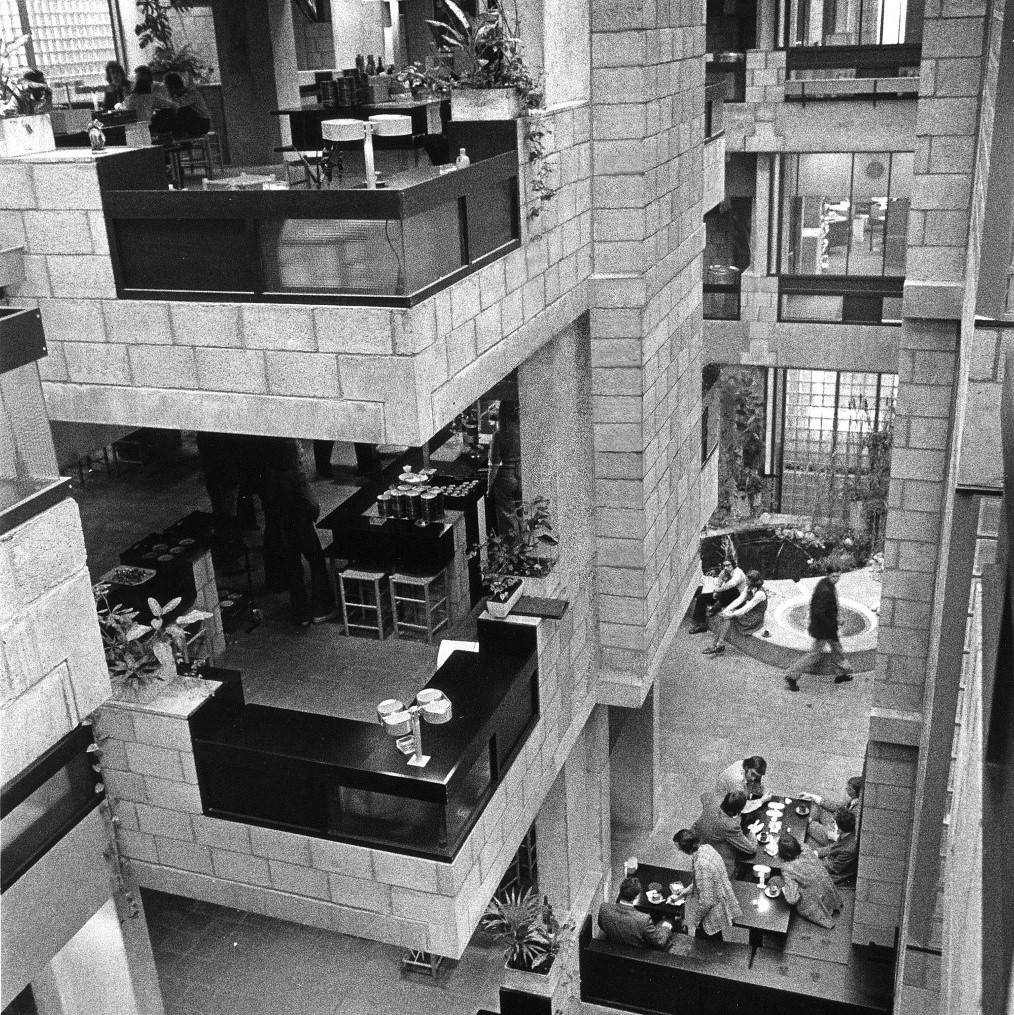
Central Beheer Building There was a curious addition to a 2016 report on the Top 10 Technologies Driving the Digital Workplace from tech researchers Gartner. It wasn’t a technology at all but rather a slightly obscure office design concept that originated in Hamburg in the late 1950s, but which tells us a lot about how we work in the 21st Century office, according to Gartner. Its history lies with the German consulting firm Quickborner. Led by the brothers Eberhard and Wolfgang Schnelle, the firm applied the egalitarian principles of the post war world and rejection of the scientific management theories that had created the familiar factory-like rows of desks that had come to dominate open plan offices to create something more in tune with the new age.

(more…)

RIBA CEO to deliver opening address at the Sustainable Design Forum 2026

RIBA CEO to deliver opening address at the Sustainable Design Forum 2026

The Sustainable Design Collective (SDC) has announced that Dr Valerie Vaughan-Dick MBE, Chief Executive Officer of the Royal Institute of British Architects (RIBA), will deliver the opening address at the Sustainable Design Forum 2026The Sustainable Design Collective (SDC) has announced that Dr Valerie Vaughan-Dick MBE, Chief Executive Officer of the Royal Institute of British Architects (RIBA), will deliver the opening address at the Sustainable Design Forum 2026. Dr Vaughan-Dick, appointed CEO in January 2023, brings extensive experience in leadership, regeneration and organisational transformation. She is the first woman to hold the role, and among the first from a more diverse leadership background, reflecting a broader shift towards greater inclusivity within the profession. (more…)

Government confirms Manchester digital campus as part of civil service relocation strategy

Government confirms Manchester digital campus as part of civil service relocation strategy

The government has confirmed plans for a major new digital campus in Manchester, marking a significant step in efforts to relocate civil service roles and strengthen regional technology capabilityThe government has confirmed plans for a major new digital campus in Manchester, marking a significant step in efforts to relocate civil service roles and strengthen regional technology capability. The Manchester Digital Campus received Treasury approval for its outline business case on 19 March, allowing the project to move forward as a central element of the government’s digital and data strategy. (more…)

The British seem more worried about robots than anybody else

The British seem more worried about robots than anybody else

British adults are more anxious about robots than people in any other major economy, according to a new global studyBritish adults are more anxious about robots than people in any other major economy, according to a new global study which suggests the unease may stem from a lack of exposure to the technology in everyday life. The research, published by technology firm Hexagon, is based on a survey 18,000 people across nine countries for its Robot Generation report. It found that 52 percent of adults in the UK say they worry something might go wrong when they think about interacting with robots. The global average is 42 percent, while in South Korea the figure is just 29 percent. (more…)