Search Results for: media

Hybrid working could save the NHS more than £4 billion per year

Hybrid working could save the NHS more than £4 billion per year

hybrid workingHybrid working could save the NHS more than £4 billion per year by giving workers more time to look after themselves and their families, according to a new study by Virgin Media O2 Business and the Centre for Economics and Business Research (Cebr). (more…)
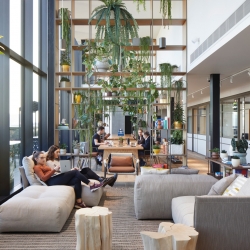
Going with the flow in the way we work

Going with the flow in the way we work

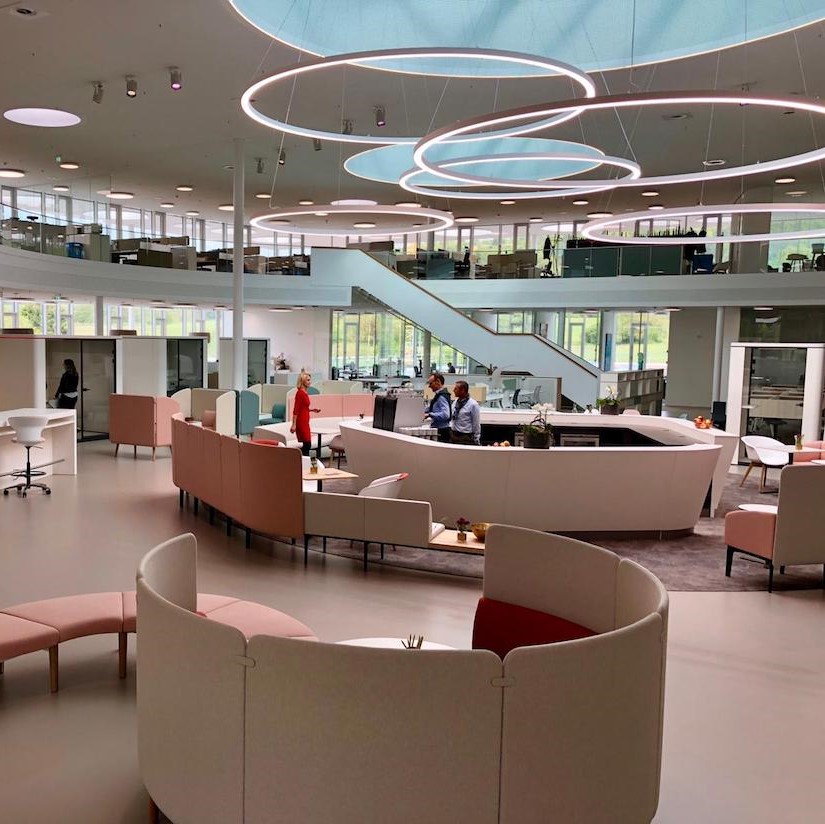
Sedus Smart Office

Throughout history we’ve been aware of the state we now refer to as flow. It describes the sensation of existing purely in the moment of some activity, effortlessly achieving what we have set out to achieve and unaware of distractions. Mystics have described it as ecstasy, artists as rapture and athletes as in the zone. This state was first described as flow by the Hungarian psychologist Mihály Csíkszentmihályi in 1975 and has been developed by him and a wide range of other researchers in a number of fields since that time.

The essential characteristic of flow is an individual’s total and enjoyable absorption in an activity to the point that they lose a sense of space and time. It is related to focus but it is not the same. Flow is a state of transcendence and it is just as important in office design as any other domain of human activity.

The idea has been widely talked about as a desirable state in which to complete work, especially creative tasks. Indeed, the idea of heightened states while engaged in tasks predates the work of Csíkszentmihályi. Perhaps the best-known organisational psychologist of all time Abraham Maslow coined the term peak experience to describe intensely joyous and exciting moments. In these moments, we feel more whole, integrated, aware of ourselves and deeply happy. Maslow described them as those “moments of highest happiness and fulfilment” in his 1964 work Religions, Values, and Peak Experiences. He linked them to the idea of self-actualisation from his famous Hierarchy of Needs.


Flow is more common at work

Such moments are more likely when we are at work than in other periods of our lives and are relatively common. According to an article by Csíkszentmihályi published in Psychology Today, in a survey of 6,469 Germans, when asked how often they entered a flow state: 23 percent said often; 40 percent said sometimes; 25 percent said rarely; and 12 percent said never or don’t know.

[perfectpullquote align=”right” bordertop=”false” cite=”” link=”” color=”” class=”” size=””]Organisations should seek to develop activities, cultures and environments that make it easier for people to enter flow states[/perfectpullquote]

His own research using more objective methods found that work was better suited to the creation of flow states than passive activities such as watching television, leading him to conclude that ‘work is much more like a game than most other things we do during the day. It usually has clear goals and rules of performance. It provides feedback either in the form of knowing that one has finished a job well done, in terms of measurable sales or through an evaluation by one’s supervisor. A job tends to encourage concentration and prevent distractions, and ideally, its difficulties match the worker’s skills.’

Csikszentmihályi argues that organisations should seek to develop activities, cultures and environments that make it easier for people to enter flow states in their work. This isn’t just about making them more productive and more likely to have good ideas, although those are two of the most important outcomes. In his 2003 book Good Business: Leadership, Flow, and the Making of Meaning, Csikszentmihályi argues that fostering flow states improves morale by creating a sense of greater happiness and accomplishment. He looks at how flow states are essential for the creation of ‘good work’ in which you enjoy the feelings of “doing your best while at the same time contributing to something beyond yourself.” He also highlights the importance of regular feedback as an essential ingredient for the fostering of flow states.

For this reason, flow is not just an important goal for the individual. Because it contributes to organisational goals such as higher productivity, better ideas and improved morale, it can improve the overall performance of the organisation and encourage greater collaboration.

Csikszentmihályi concludes that there are three conditions for the creation of flow states at work:

• One must be involved in an activity with a clear set of goals and progress. This adds direction and structure to the task.

• The task at hand must have clear and immediate feedback. This helps the person negotiate any changing demands and allows them to adjust their performance to maintain the flow state.

• One must have a good balance between the perceived challenges of the task at hand and their own perceived skills. One must have confidence in one’s ability to complete the task at hand.

Designing for flow

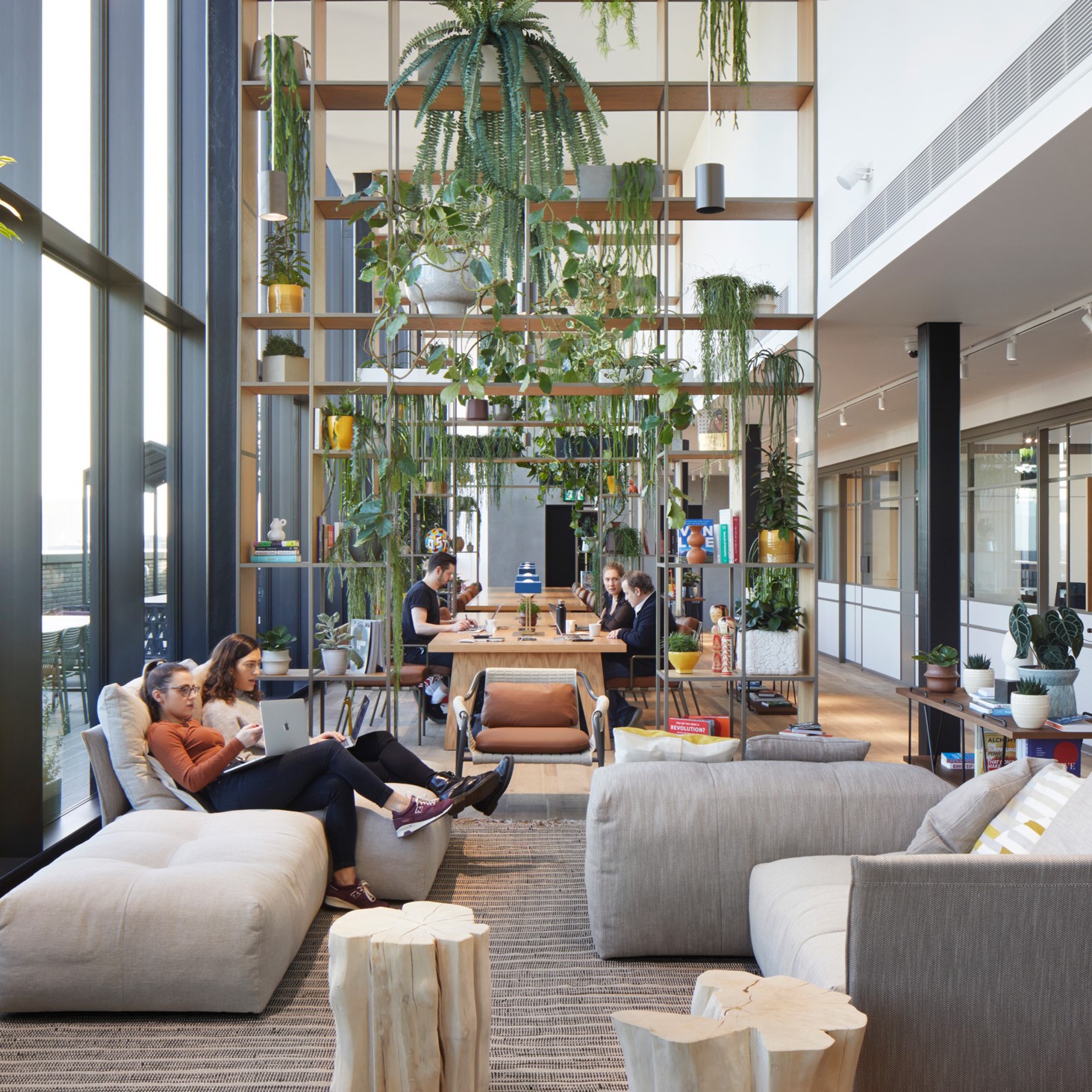
There are several characteristics of an office environment that can encourage flow states and meet these prerequisites. The ability to focus and work free from distraction is perhaps the most obvious, but so too are the creation of an enjoyable working culture, strong bonds with colleagues, immediate feedback on tasks, an affinity with each job and regular communication with colleagues.

This demands a sophisticated and intelligent approach that embraces a number of features of office design. The most progressive office design concepts seem ready-made to deliver a working environment that can encourage flow states. By empowering people to work in ways that suit them best with a choice of work styles and offering the sorts of spaces in which people can enter flow states undisturbed, such offices increase the likelihood of flow. This principle of office design aligns completely with the characteristics of flow states.

In addition, the democratic structure of the space makes feedback significantly more likely, while the social spaces, collaborative space and more playful aspects of the design encourage people to be aware of ‘something greater than themselves’.

This article first appeared on the What’s Up blog of Sedus

Image: Sedus Smart Office

Majority of employees lack confidence in their company’s return-to-work strategy

Majority of employees lack confidence in their company’s return-to-work strategy

employeesHumanyze has released the second installment of the 2021 Future of Work Report, a holistic analysis of the evolution of work throughout the pandemic and employee sentiments about the post-pandemic future of the workplace. Nearly 2,300 survey responses were collected from individual employees and people managers, and compared to responses from the spring 2021 report, to identify key changes over the last 6 months. (more…)

Air quality concerns hindering return to five-day office week

Air quality concerns hindering return to five-day office week

officeBusinesses whose personnel are resistant to resuming full-time office working should address the issue of workplace air quality. A survey of UK office workers claims that 80 percent would feel more positive about a return to a five-day office week if action was taken to measure and improve the quality of air in their workplace. (more…)

Employers struggling to adapt employee experience to meet workforce needs

Employers struggling to adapt employee experience to meet workforce needs

employersDespite their best intentions, most employers are facing difficulties responding to changing employee expectations around employee experience and wellbeing during the pandemic. 69 percent of HR leaders admit that their efforts to improve employee experience are being held back by a lack of a clear strategy, and 76 percent report that they are struggling to adapt their employee experience to meet the needs of a hybrid workforce. (more…)

Impact of flexible work demonstrates a fragile post-pandemic business world

Impact of flexible work demonstrates a fragile post-pandemic business world

impactLucid and Vitreous World, have launched the results of new research that surveyed individuals across the UK to analyse employee sentiment and the impact of flexible work as a direct result of the pandemic. (more…)

HR leaders’ number one priority for 2022 is building critical skills and competencies

HR leaders’ number one priority for 2022 is building critical skills and competencies

critical skillsNearly 60 percent of HR leaders reported that building critical skills and competencies will be their number one priority in 2022, according to a survey by Gartner, Inc. The survey of more than 550 HR leaders in July 2021, claims the other top HR priorities for 2022 are: organisational design and change management (48 percent), current and future leadership bench (45 percent), the future of work (42 percent) and diversity, equity and inclusion (DEI) (35 percent). (more…)
Risk of generational progress grinding to a halt unless young job seekers can level up too

Risk of generational progress grinding to a halt unless young job seekers can level up too

youngA new report highlights a combination of regional disparities in access to jobs for young people, a shrinking youth labour market and an unequal recovery. This could result in young people being ill-equipped to meet the future demands of the labour market, further compounding skills shortages currently faced by employers. (more…)

Toxic workplace culture impacting the mental health of almost half of UK’s workforce

Toxic workplace culture impacting the mental health of almost half of UK’s workforce

cultureTwo in five employees across the UK have experienced problematic behaviour, such as bullying, harassment or discrimination at work; with 42 percent confirming toxic workplace culture has impacted their mental health, according to recent research from Culture Shift. (more…)
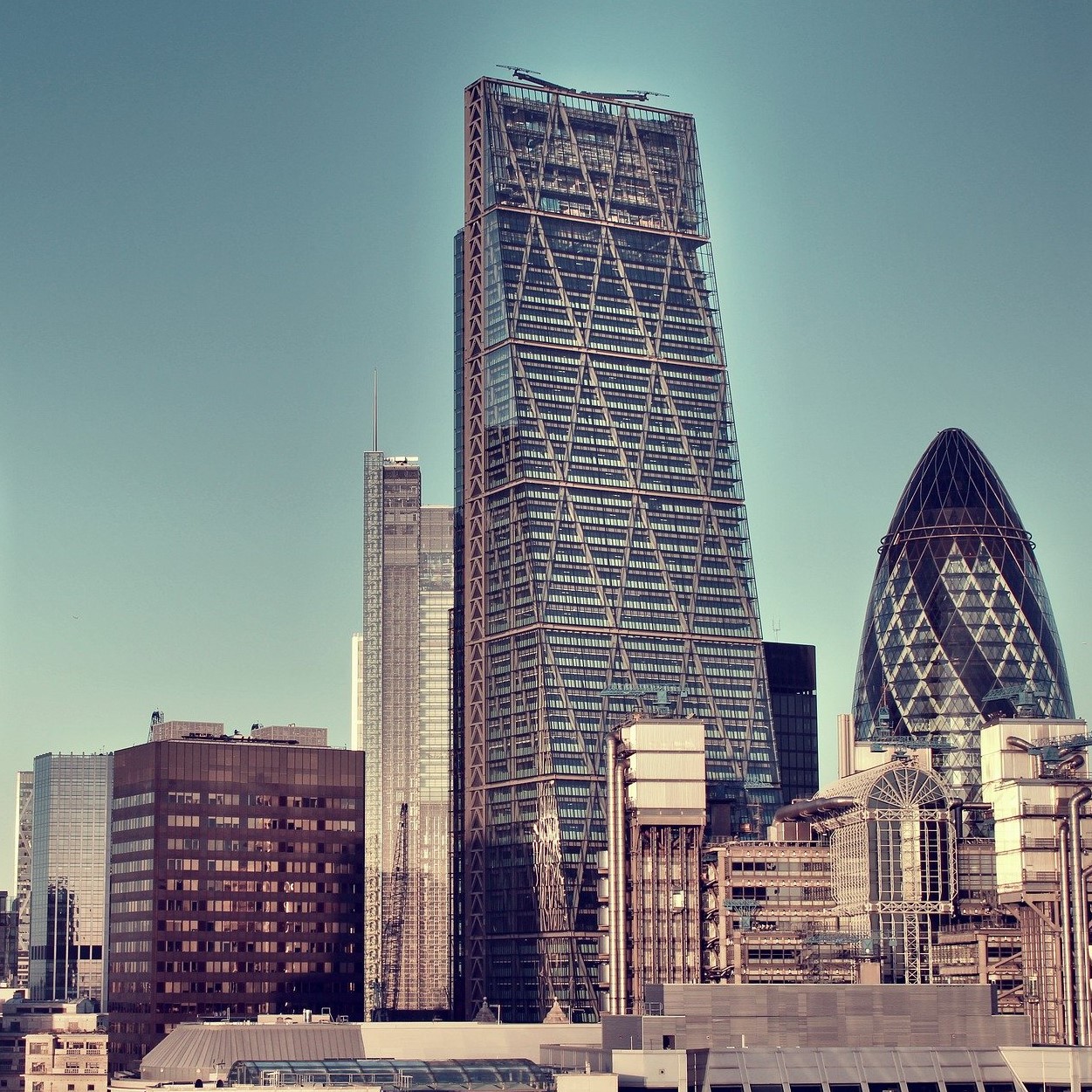
London office market falls thanks to uptake of remote work

London office market falls thanks to uptake of remote work

london office marketA new report from property consultancy Cluttons looks at the new challenges the Prime Central London office market faces in 2021/22, with issues such as Brexit and the immediate impacts of the global pandemic – but also longer-term problems like changing lifestyle preferences, the uptake of remote working and climate change. (more…)
One in five still aren’t ready to get back to normal life – and that includes the office

One in five still aren’t ready to get back to normal life – and that includes the office

lifeOver a third (37 percent) of Brits say they have felt more stressed since the lifting of lockdown restrictions in July, and one in five (21 percent) still aren’t ready to get back to normal life – and that includes the office – claims a new study for World Mental Health Day. (more…)

Time for businesses to step up and deliver flexibility and wellbeing for workers

Time for businesses to step up and deliver flexibility and wellbeing for workers

wellbeing and flexibility matterAt this time of year, with events such as Happiness at Work Week and Mental Health Awareness Day, mental health and wellbeing have been brought into sharp focus. Businesses are starting to look forward with a small degree of optimism. This optimism is not necessarily derived from the current state of their business or even their sector, but rather from being able to make proactive plans rather than in reactive mode which has been the default setting for the past 18 months.  This is a challenge, but one which can be met with a degree of excitement and anticipation as the business has a chance to make an impact both within its business surroundings, but also for the people who work within the business. (more…)