

Search Results for: office design

Interface embraces colour, pattern, and dynamic transitions with pivotal moment carpet tile collection
Interface embraces colour, pattern, and dynamic transitions with pivotal moment carpet tile collection

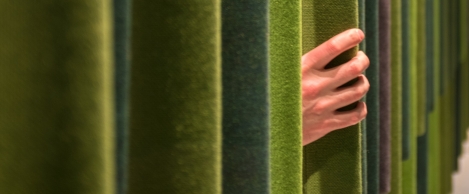
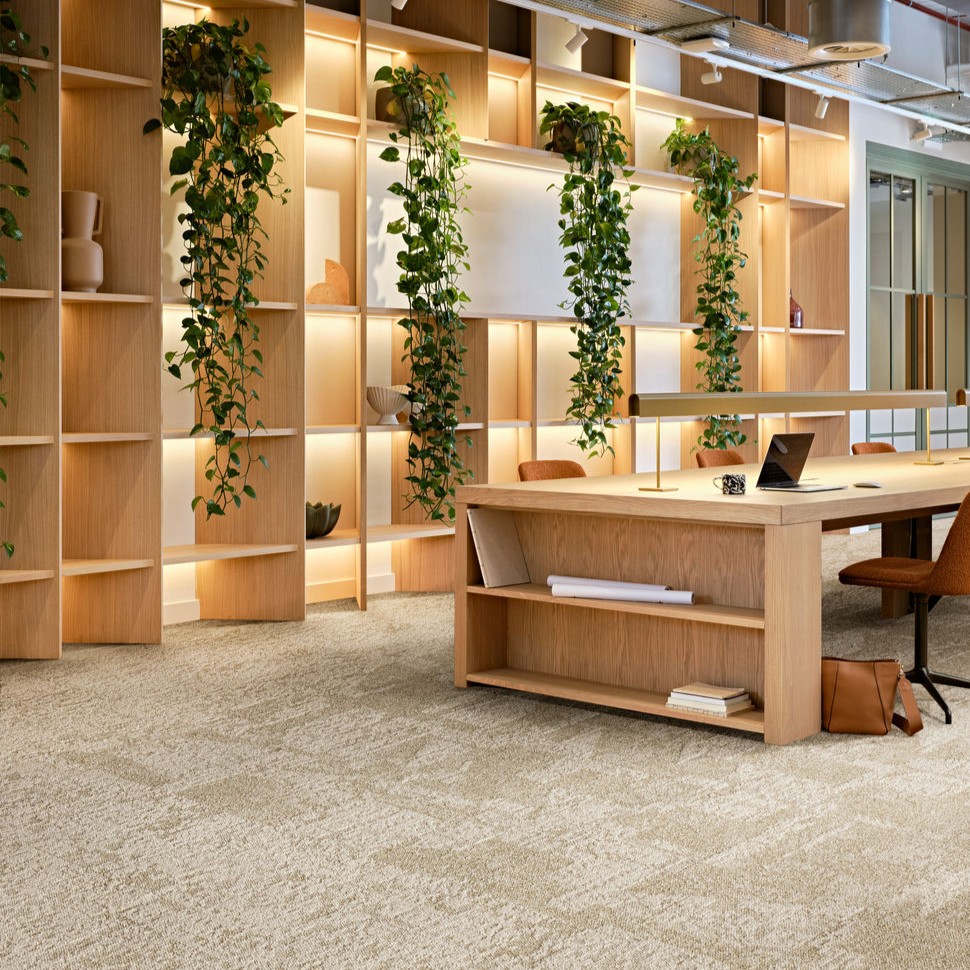
Interface, Inc., the global flooring and sustainability leader, launches Pivotal Moments™, a new carpet tile collection inspired by Scandinavian geometric design principlesInterface, Inc., the global flooring and sustainability leader, launches Pivotal Moments™, a new carpet tile collection inspired by Scandinavian geometric design principles. Rooted in dynamic movement, expressive pattern, and coordinated colour, the collection gives designers more flexibility to shape how today’s commercial spaces transition, connect, and stand apart. One warm base colour holds the system together as the pattern gently builds from small-scale details to defining moments. Designed for high-traffic spaces, including corporate offices, hospitality environments, and education facilities, the collection explores both plush textures and soft geometrics for transitions that feel as calm or as bold as the space requires. As a coordinated carpet tile system, Pivotal Moments can be used to create full rug-like areas, quiet learning zones, or bold statement moments helping reduce cognitive load. (more…)


Flexible work is not a location policy. It is a test of organisational trust

Flexible work is not a location policy. It is a test of organisational trust

The argument about flexible work is often staged as a fight over place: office or home, three days or five, freedom or control.The argument about flexible work is often staged as a fight over place: office or home, three days or five, freedom or control. That framing is convenient because location is visible. Trust is harder to measure. Yet the more revealing question is not where people work. It is whether an organisation has enough clarity, managerial capability and confidence in its own systems to tolerate different ways of working without falling back on visibility as a proxy for contribution. (more…)

AI isn’t replacing meetings, it’s changing their purpose

AI isn’t replacing meetings, it’s changing their purpose

Throughout the years in the workplace technology industry, I’ve heard one common question among organization leaders: How can we have fewer meetings and how can we make the ones we do have more effective? When AI came along, many thought that it would be the solvent to this long-standing challenge. But it turns out, as individuals utilize AI to help them automate routine work, the need to collaborate with team members on the outputs has become more prominent. Rather than focusing on reducing the number of meetings, organizations should ask themselves: Are we designing the workplace with intentionality for meetings that are actually worth having? (more…)

BCO Awards winners focus on regeneration, sustainability and workplace experience

BCO Awards winners focus on regeneration, sustainability and workplace experience

The UK’s leading office developments have been recognised for their contribution to urban regeneration, sustainability and workplace experience at the 2026 BCO AwardsThe UK’s leading office developments have been recognised for their contribution to urban regeneration, sustainability and workplace experience at the 2026 British Council for Offices National Awards. Swansea development 71/72 Kingsway took the top prize at this year’s awards, winning both the Best of the Best and Commercial Workplace categories. Judges described the scheme as a catalyst for the regeneration of Swansea city centre and an example of how people-centred architecture can stimulate investment and attract high-value employment. The annual BCO Awards were presented to an audience of around 1,000 property and workplace professionals at the JW Marriott Grosvenor House hotel in London on 6 October. (more…)

Four in five people say a lack of flexible working could be a deal breaker when going for a job

Four in five people say a lack of flexible working could be a deal breaker when going for a job

Nearly eight in ten employees say flexible working is important when considering a job, according to new research from workplace advisory body Acas.The vast majority of employees say flexible working is important when considering a job, according to new research from workplace advisory body Acas. The YouGov survey found that 78 percent of employees considered flexible working important, compared with 20 percent who said it was not. The findings come ahead of changes to flexible working rules under the Employment Rights Act 2025. Under the new provisions, employers considering turning down a flexible working request will be required to consult the employee before reaching a decision, and will only be able to reject the request where it is reasonable to do so. (more…)

The right workplace culture can enhance trust, creativity and performance, report claims

The right workplace culture can enhance trust, creativity and performance, report claims

Workplace culture can have a significant impact on employees’ capacity to adapt to change and innovate, according to new pollingWorkplace culture can have a significant impact on employees’ capacity to adapt to change and innovate, according to new polling from O.C. Tanner, which argues that organisations should pay greater attention to compassion, employee development and trust. The firm’s 2027 Global Culture Report, based on data gathered from more than 25,000 workers in 23 countries, claims that organisational culture can act as an “amplifier”, either exacerbating uncertainty and burnout or strengthening employees’ sense of trust, connection and purpose. (more…)

The new issue of Works magazine continues to explore the latest thinking on people, places and technology

The new issue of Works magazine continues to explore the latest thinking on people, places and technology

the new issue of Works magazine takes a wide-ranging look at the forces reshaping workplace design, from the growing convergence of home and office to adaptive reuse, sustainability, artificial intelligence and the continuing evolution of the furniture industry

The new issue of Works magazine is now available in its free, digital edition. As always, this new issue takes a wide-ranging look at the ideas, people, products and projects reshaping workplace design, from the growing convergence of home and office to adaptive reuse, sustainability, artificial intelligence and the continuing evolution of the furniture industry. Issue 21 arrives at a particularly interesting moment for both the workplace and the magazine itself. Rapid technological change, the proliferation of AI-generated content and the continuing repercussions of the pandemic are creating opportunities for publications and workplaces that emphasise the human, physical and connected. (more…)

Fixing the open plan noise crisis in the age of hybrid working

Fixing the open plan noise crisis in the age of hybrid working

Research consistently shows that excessive noise is the number one cause of distraction in the modern workplace. Hybrid working has changed how open-plan offices are used, but acoustic design has not always kept pace.Research consistently shows that excessive noise is the number one cause of distraction in the modern workplace. Hybrid working has changed how open-plan offices are used, but acoustic design has not always kept pace. Hybrid workplaces now ask more activities to coexist within the same space. Video calls, informal meetings, collaborative work, and focused individual tasks may all happen alongside one another, while occupancy can change dramatically throughout the week. (more…)

The first issue of Sustainability Works is available for you now

The first issue of Sustainability Works is available for you now

The first issue of Sustainability Works, the new publication dedicated to sustainable design for the built environment, has been launched by the team behind Works magazine in partnership with the Sustainable Design Collective (SDC). Edited by Joanna Knight, Sustainability Works has been created to inform, challenge and inspire the workplace and design community at a time when sustainability is moving beyond individual products and initiatives to reshape the way buildings and interiors are designed, specified, delivered and managed. (more…)

Hybrid working and the hidden cost of being “always on” at work

Hybrid working and the hidden cost of being “always on” at work

Hybrid working has delivered welcome flexibility, but it has also changed our relationship with work. The traditional boundary created by leaving the office at the end of the day is often less defined when work is accessible from our kitchen table, spare room or mobile phone. Yet this challenge is not limited to those working remotely. Even employees who spend most of their time in the office now carry work with them through smartphones and constant digital connectivity. (more…)

The workplace metric that creates false confidence

The workplace metric that creates false confidence

A learning dashboard showing 96 per cent completion feels reassuring. It is precise, comparable and easy to report. But it may be answering the least useful question: who reached the end of the material? Completion can confirm attendance or fulfil an administrative requirement. It cannot, on its own, show what people understood, what they still remember or what they can do differently at work. That distinction matters as organisations ask employees to adapt to new systems, regulation and AI-enabled work. (more…)

AI could increase the relevance of the physical workplace, Gensler report suggests

AI could increase the relevance of the physical workplace, Gensler report suggests

Workers who regularly use artificial intelligence are spending less time working alone and more time learning and socialising with colleagues, suggesting that the spread of AI could increase rather than diminish the importance of the physical workplaceWorkers who regularly use artificial intelligence are spending less time working alone and more time learning and socialising with colleagues, suggesting that the spread of AI could increase rather than diminish the importance of the physical workplace. Gensler’s Global Workplace Survey 2026 found that 30 per cent of workers regularly use AI tools in both their professional and personal lives, a group the architecture and design firm describes as “AI power users”. A further 36 per cent are classed as late adopters who rarely or never use AI. (more…)