







January 29, 2015
Latest commercial buildings listings illuminate changing world of work
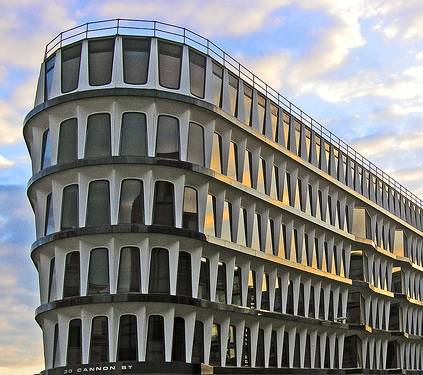 The latest fourteen buildings to be listed as part of the Post-War Commercial Buildings Project have been announced by the UK Government’s Department for Culture, Media and Sport. The project was initiated by English Heritage in 2011 as a way of recognising the significance and diversity of commercial buildings and acknowledging their unique proneness to change. According to English Heritage the latest fourteen Grade II listed entries (as well as a number of others assessed but deemed of lesser significance) also highlight how the design of commercial buildings reflected the changing world of work up to the cut off point of 1984. Although the projects are predominantly in the South East, there are listings for commercial buildings in Leeds, Newcastle-upon-Tyne and Birmingham.


















February 2, 2015
Staff calling in sick could be a symptom of management malaise
by Sara Bean • Comment, News, Wellbeing, Workplace
If your office seems strangely quiet this morning it might be due to the fact today is ‘national sickie day’. The first Monday in February is the day of the year which traditionally sees the highest number of workers calling in sick. It’s been argued that many of these people could in fact be looking for a new job, but whether your staff are sick or on a job interview, these absences may be indicative of a deeper problem, and it in all probability lies with the quality of their managers. According to recent research, one in seven people (16%) have had to take sick leave due to a bad manager and a fifth of people would turn down a job offer if their new manager had a bad reputation. The research also found that those who find themselves being poorly managed are more likely to take radical action and leave a job than tackle the issue with their HR department.
(more…)