Search Results for: organisations

The full stop emerges as a major point of contention in the workplace

The full stop emerges as a major point of contention in the workplace

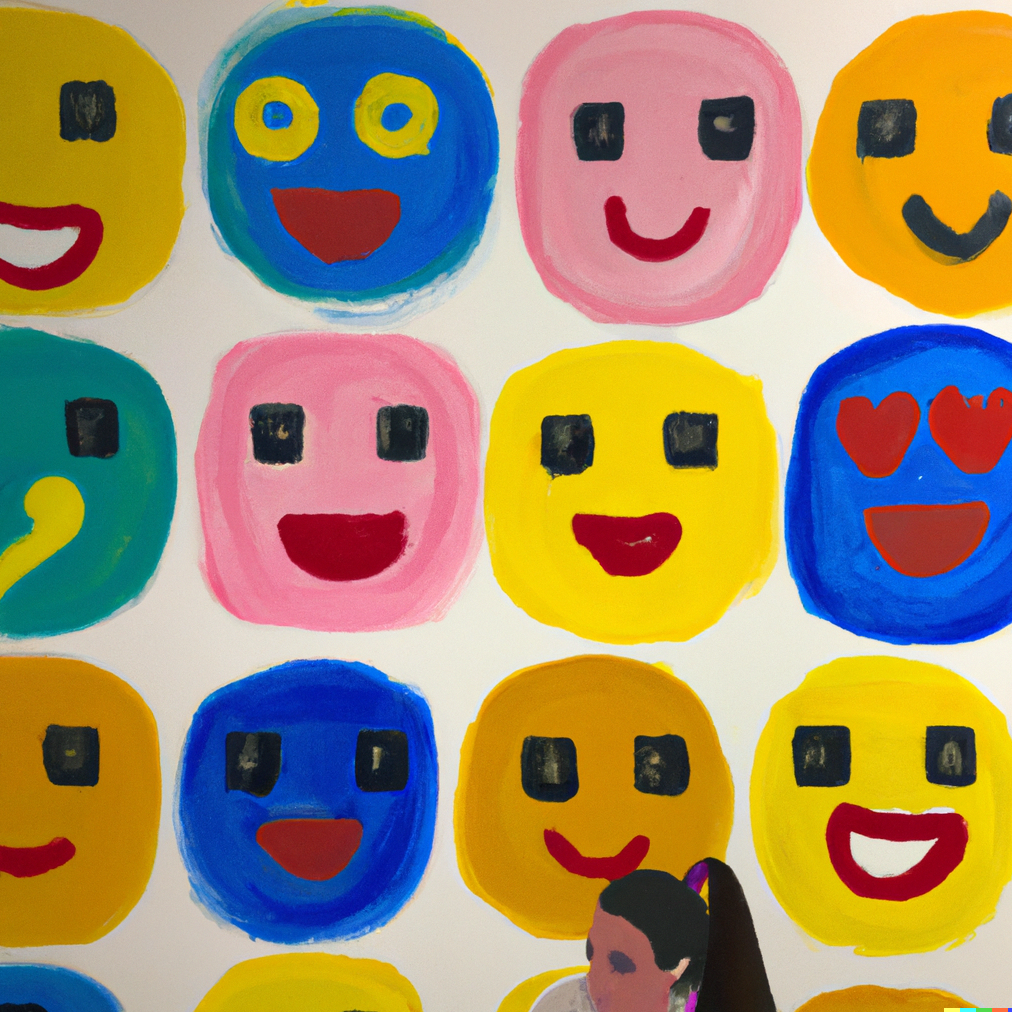
The humble full stop has emerged as one of the major sources of friction when people communicate in the workplaceA new poll from The Adaptavist Group claims that there is a growing generational divide in workplace communication, with emojis, punctuation, and AI use emerging as key areas of contention. The study, which surveyed 1,000 UK knowledge workers, reveals how different age groups interpret digital communication tools in the workplace, affecting collaboration and productivity. The Workplace Communication Atlas suggests that nearly half of workers (46 percent) struggle with misinterpreting tone or phrasing, making it the most significant communication challenge. Differences in response time expectations (also 46 percent) and lack of context (31 percent) were also cited as common issues. The findings build on previous research from The Adaptavist Group, which showed that 56 percent of workers find generational collaboration difficult. (more…)

Five years on and firms are also suffering from the effects of long Covid

Five years on and firms are also suffering from the effects of long Covid

Many employers are still struggling with the long-term effects of the Covid-19 pandemic, five years after the first UK lockdown begaMany employers are still struggling with the long-term effects of the Covid-19 pandemic, five years after the first UK lockdown began, according to the CIPD. While the pandemic led to significant changes in working practices and an increased focus on employee wellbeing, challenges around productivity and economic inactivity persist. The pandemic brought widespread upheaval, with many people experiencing job losses, business closures, and the loss of loved ones. However, the CIPD argues that it also prompted positive changes in the workplace, including greater flexibility in working arrangements and increased adoption of technology to support collaboration. Despite these developments, many businesses continue to face difficulties, particularly as the cost-of-living crisis and economic uncertainty exacerbate the challenges of workforce engagement and productivity. (more…)

New research claims there is a lack of support for many neurodiverse employees

New research claims there is a lack of support for many neurodiverse employees

nearly one in three neurodiverse employees are dissatisfied with the support they receive from their employerA significant proportion of employees feel unsupported in the workplace when it comes to neurodiversity, according to new research from City & Guilds. The organisation’s latest annual Neurodiversity Index 2025 reveals that nearly one in three neurodiverse employees are dissatisfied with the support they receive from their employer, while over a third of neurodivergent respondents reported that they had no onboarding support when starting their jobs. (more…)

Will AI really lighten the load to reduce burnout and improve our wellbeing?

Will AI really lighten the load to reduce burnout and improve our wellbeing?

The idea of AI being able to lift some of the daily administrative burden off employees is appealing as a measure against burnout. But will it work?When speaking to leaders about the integration of AI into their businesses, one positive repeated to me in every conversation is ‘AI will lighten the load’. Workplace wellbeing is a recognised priority, with most businesses and organisations seeking to minimise stress and burnout and, ultimately, reduce costly sickness absence. The idea of AI being able to lift some of the daily administrative burden off employees is appealing and it’s certainly a large part of the sales pitch of AI tech suppliers. But will it work? (more…)

A third of employers are responding to the Employment Rights Bill by cutting jobs

A third of employers are responding to the Employment Rights Bill by cutting jobs

four in five firms anticipate increased employment costs as a result of the Employment Rights Bill's proposed measures, and nearly a third are planning on reducing headcount as a result.A survey of more than 2,000 employers conducted by the CIPD reveals that nearly four in five anticipate increased employment costs as a result of the Employment Rights Bill’s proposed measures, and nearly a third are planning on reducing headcount as a result. The measures include reforms to Statutory Sick Pay, changes to unfair dismissal rules, and the introduction of guaranteed hours for zero-hours contract workers. Among those expecting costs to rise, 30 percent foresee reducing their workforce through redundancies or cutting back on recruitment, while 23 percent plan to introduce or expand automation to offset expenses. Other strategies being considered include reducing training budgets (22 percent), cutting staff working hours (17 percent), or increasing reliance on temporary workers (17 percent). (more…)

Outdated offices are sabotaging ‘return to office’ policies

Outdated offices are sabotaging ‘return to office’ policies

The debate over whether to return to the office or sustain a remote team has become one of the most significant workplace discussions in recent yearsThe debate over whether to return to office work or sustain a remote team has become one of the most significant workplace discussions in recent years. Companies are struggling to balance remote and in-office work, yet strict return-to-office (RTO) mandates are failing to deliver the intended results. While many assume the COVID-19 pandemic was the advent of hybrid work models, in reality, many businesses had already begun adopting flexible work arrangements before the pandemic accelerated the shift to remote working. (more…)

We may think we are pretty aware of the effects of AI. But posterity may draw different conclusions

We may think we are pretty aware of the effects of AI. But posterity may draw different conclusions

Artificial Intelligence (AI) is reshaping the world around us at breakneck speed, unlocking opportunities we could not have even imagined a few years ago. But with its potential comes an immense set of challenges. How we handle this transformation will define the future of our workplaces, economies, and societies. Recent events, including Trump’s revocation of Biden’s executive order addressing AI risks, Labour’s ambitious plans to integrate AI across the UK, and Facebook’s unsettling U-turn on content moderation, highlight the urgent need for businesses to take an ethical, informed, and responsible approach to AI adoption. (more…)

New study reveals link between workaholism and organisational harm

New study reveals link between workaholism and organisational harm

The hidden ethical costs of workaholism have been highlighted in a recent study led by Aston University and University of Leipzig scholarsThe hidden ethical costs of workaholism have been highlighted in a new study led by Aston University and University of Leipzig scholars. Workaholism is an inner pressure to working, that provides a sense of fulfilment but can lead to physical and psychological problems, relationship issues and burnout. The study, published in the Journal of Organizational Behavior, showed that it can interfere with moral self-regulation and subsequent ethical behaviour, particularly in organisations that prioritise bottom-line results and self-interest. (more…)

Sustainable Design Awards call for entries

Sustainable Design Awards call for entries

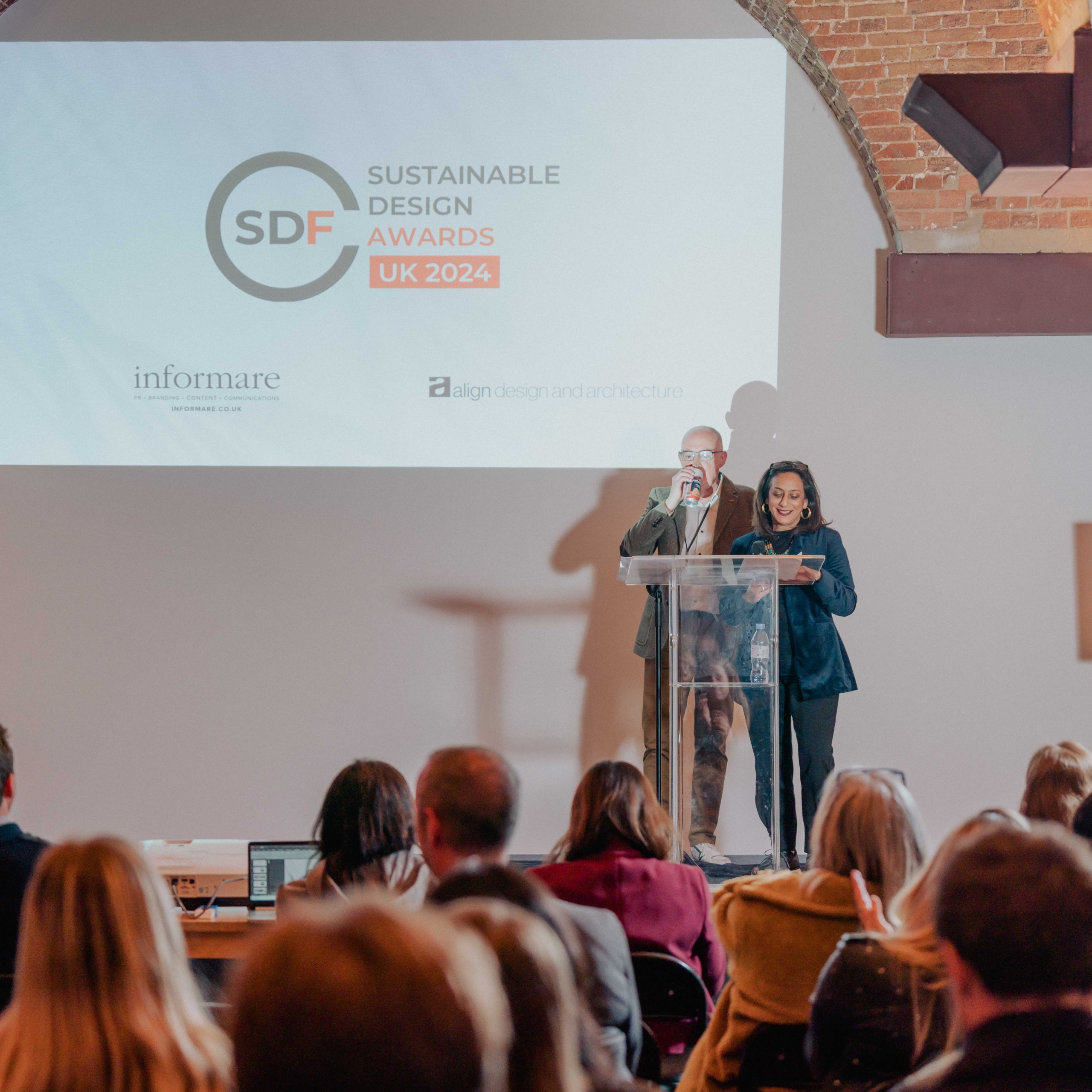
The Sustainable Design Collective (SDC), a think tank group of leading design professionals working in the office workplace sector – is inviting entries for its annual awards.The Sustainable Design Collective (SDC), a think tank group of leading design professionals working in the office workplace sector – is inviting entries for its annual awards. The announcement follows confirmation that the third SD Forum will be held on 24th April 2025 at the Crypt on the Green in Clerkenwell, London. Free to enter, each entry will be assessed completely independently by a panel of eight industry experts against specified criteria. New to the team, this year’s panel includes award-winning product designer, Luke Pearson and Sophie Thomas, founding partner at Thomas.Matthews. Assessments include: whole life carbon performance including contribution to the circular economy; contribution to the health and wellbeing of the occupants; and social value. (more…)

Getting Zoom fatigue? Chances are you’re tired of looking at yourself

Getting Zoom fatigue? Chances are you’re tired of looking at yourself

New research suggests that excessive self-monitoring during virtual meetings leads to dissatisfaction with appearance and Zoom fatigueThe rise of virtual meetings has transformed workplace communication, offering flexibility and global connectivity. However, this shift has not come without challenges, particularly in the form of virtual meeting (VM) fatigue, commonly referred to as “Zoom fatigue.” A new study published in the journal PLOS One examines how facial appearance dissatisfaction, impression management behaviours, and VM fatigue contribute to the adoption—or rejection—of virtual meeting technologies in professional settings. (more…)

We need to address the UK’s creative skills shortage 

We need to address the UK’s creative skills shortage 

With the right investments in skills, tools, and training, the UK can continue to lead the world in creativity and cultural influenceThe UK’s creative industries, from film and television to the dynamic video game sector, are cultural flagships and economic cornerstones. Valued at £125 billion annually, the creative industries are named one of the UK government’s eight growth-driving sectors in its Industrial Strategy. Yet, a significant obstacle looms over their continued success: a persistent and growing skills shortage. This gap threatens to stifle innovation and global competitiveness, particularly in the booming video game industry. (more…)

Most people are happy for AI to inform decisions about work, CIPD claims

Most people are happy for AI to inform decisions about work, CIPD claims

To coincide with National Productivity Week, a CIPD poll suggests that almost two thirds of people (63 percent) would trust artificial intelligence (AI) to inform - but not make - important decisions at workTo coincide with National Productivity Week, a CIPD poll suggests that almost two thirds of people (63 percent) would trust artificial intelligence (AI) to inform – but not make – important decisions at work. According to the poll of over 2,000 people, over a third (35 percent) wouldn’t trust AI to make important decisions at work, preferring to use human intelligence. Just 1 percent of respondents would trust AI to make important work decisions. (more…)