








September 27, 2021
Remote working led to drop in high quality output, Microsoft study concludes
 A new study of 61,000 Microsoft employees claims that the sudden shift to remote working had a profound effect on their work behaviours and output. Overall, remote workers spent less time in meetings, had fewer real time conversations and worked in more siloed ways. Crucially it found that there was a reduction in the strengths of ties between people and fewer networking opportunities. While not suggesting that office based work and remote work are necessarily better than the other, the study concludes that the drop in loose connections and chances of networking with other teams could have a negative impact on higher quality work outputs and working culture. (more…)

 Eighteen months since nationwide shutdowns, the global surge in COVID-19 cases is exacerbating the onset of virtual fatigue for many employees according to
 Socio-economic fault lines exposed by COVID-19 are creating an unforgiving marketplace, with companies under scrutiny from governments and the public and little room to avoid disputes and investigations into business practices and behavior, according to a new report from
 According to
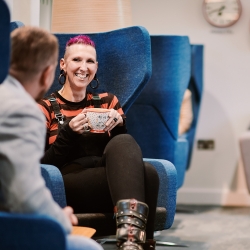 Since offices reopened, there has naturally been a much greater focus on health and safety. Office managers everywhere have deployed one-way corridors, anti-viral disinfectant wipes, and daily temperature checks in order to ensure that those who have returned to the office feel safe. Globally, businesses have learned to cope with these adverse circumstances, but there are other lessons from the past year that we should use to refresh the workplace as well.
 Research from
 The CIPD has welcomed a new consultation from the UK Government on making flexible working requests a day one right. The CIPD launched its #FlexFrom1st campaign in February, calling for all employees to have the immediate right to request flexible working. Under the proposed legislation, companies would be obliged to explain their reasons if it is then refused. The plan would also oblige employers to respond to such requests more quickly, and is being billed as a major reshaping of the way people work in a post-pandemic world, making flexible work the default.
 New research released by
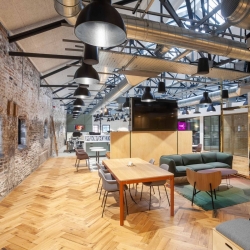 Predicting behaviours in the commercial property market is never an easy thing, yet we know that the pandemic has drastically altered this market. Whilst some players have advocated ‘the end is nigh’ for all office space, research shows a different picture emerging – namely the office space as we know it is evolving into something different. The impact of prolonged uncertainty has fuelled change. However, there are other forces at work shaping a brighter and more varied future for office space.
 iOFFICE + SpaceIQ announce a strategic investment by
 Huge changes in the world of work over the past 30 years have led to people having a greater attachment to their work, but also rising levels of stress and falling levels of control, which has coincided with low earners losing their ‘job satisfaction premium’ over higher paid colleagues, according to new research from think tank the








September 28, 2021
Developing a future of work strategy depends on asking the right questions
by Mark Caskey • Comment, Flexible working, Workplace design