







November 19, 2017
Fresh advice on tackling sexual harassment at work published by Acas
In response to the proliferation of high profile cases of abuse over the past few weeks which has drawn attention to sexual harassment in a variety of settings – workplace experts Acas publishes fresh advice today (19th November) aimed at both employers and employees that outlines what kind of workplace behaviours could be considered sexual harassment and how to report it. Acas’ new advice includes examples of how sexual harassment can happen at work such as; written or verbal comments of a sexual nature such as remarks about a colleague’s appearance, questions about their sex life or offensive jokes; displaying pornographic or explicit images; sending or forwarding on emails that contains content of a sexual nature; unwanted physical contact and touching; and sexual assault. The advice states that organisations and businesses should be clear to workers about what sorts of behaviours are unacceptable and would be considered sexual harassment.

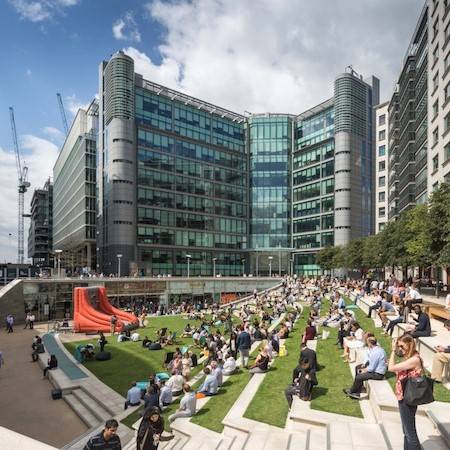

 Half of employees feel their organisation doesn’t have the right tech skills and nearly half in a recent survey (44 percent) feel their organisation isn’t transforming into a digital led company fast enough, claims a survey by Sungard Availability Services. Digital workplace transformation has been a big talking point in recent months, yet 38 percent in a survey of over 2,000 IT decision makers and employees believe their organisation isn’t committed to digital transformation; with 36 percent not getting the training for the tools. It’s apparent that digital transformation is highly thought of in the work place and impacts employee retention with 36 percent of employees open to leaving their current job for a more digitally-progressive company. Over 50 percent believe career progression is better at digitally led companies and 69 percent say digital tools would help them to do their job better. Said Chris Ducker, Senior Director Global Proposition Strategy: “Digital is compulsory, not only to stay competitive in the market, but also to attract and retain key staff” See the full survey












November 6, 2017
Time to address the missed opportunities and wasted resources of the modern workplace
by Chris Moriarty • Comment, Wellbeing, Workplace design
Rapidly changing work and workplaces. Productivity languishing below optimum levels. Staff engagement well below where it should be. Ongoing recruitment and retention challenges. All this has been building over the last couple of years; it would appear that organisations have never had it so tough. There have been plenty of tough times before, of course, but we have been witnessing something of a ‘perfect storm’ in recent months, where a whole range of issues and developments, as well as advancements and opportunities, have come together to push these challenges up the management agenda. But there are things we can do to make the workplace a better experience for everybody.
(more…)