






February 21, 2017
Older workers increasingly marginalised at work despite their growing numbers 0
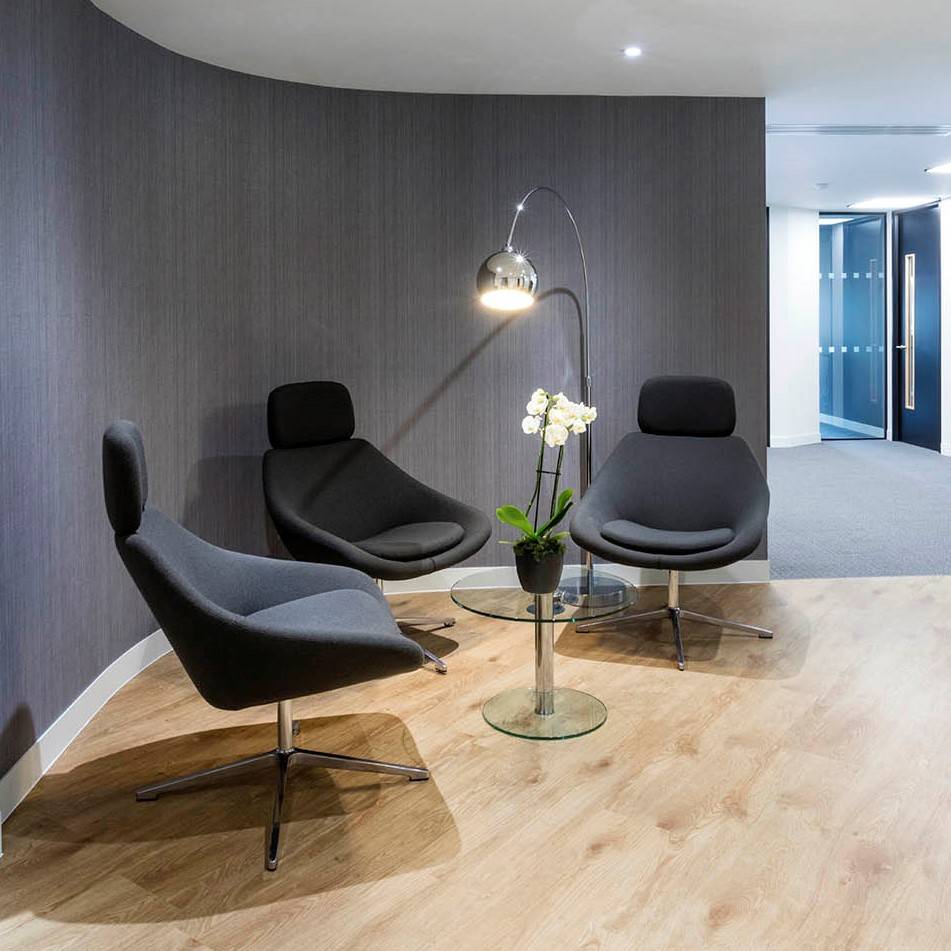 Older workers are at risk of being marginalised in the workplace according to a new survey of office workers from workplace consultants Peldon Rose, which claims that there are significant differences in the wellbeing, attitudes and motivations of the workplace’s oldest and youngest employees. The over 50s now account for more than 30 percent of the UK’s working population (9.4million people), but according to the study older workers are the least content of all employees with less than a quarter (23 percent) of the 55+ age group feeling appreciated by their company and 80 percent suffering from or having suffered from workplace stress. In contrast, the workplace’s newest recruits, the under 25 year olds, are the office’s most positive employees with over half (55 percent) feeling appreciated by their company and 60 percent – the lowest of all age groups – suffering or having suffered from workplace stress.

 The
The 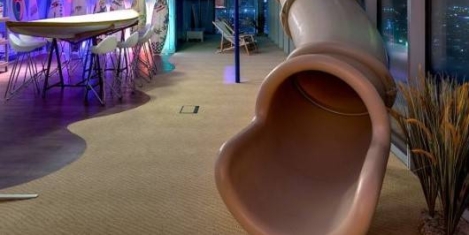
 The majority (79 percent) of workers say reliable and modern technology is more important to them than office aesthetics, while accessories such as ping pong tables, slides, hammocks and wacky office designs may look good in pictures, but they don’t necessarily make employees any happier or productive. The is according to a survey, conducted by storage firm Kiwi Movers, which found that 86 percent of UK adults who work in an office said fun features were of no specific value to their working life, 11 percent said they were nice-to-have and of some value and 3 percent said they were very valuable. The most popular office perks are those offer an immediate tangible benefit to the employee, but even so, as many as 23 percent don’t take advantage every day; while 71 percent overall said they’d like more space in their office and of those, 58 percent believe that could be achieved by removing non-essential items. The research also found that younger workers were more likely on average to take advantage of ‘environmental’ perks like chill out areas and recreational equipment.





















February 21, 2017
What you need to know about changes to business rates and lease renewals 0
by Alex Watt • Comment, Facilities management, Legal news, Property
(more…)