






January 11, 2018
Presenteeism problem within the workplace as two thirds report for work when ill
 Two-thirds (64 percent) of employees have gone to work despite being unwell over the last 12 months, claims a new survey which found that a quarter (26 percent) of people worried that their absence will be a burden on their team. The research by Bupa shows that more than one in four (27 percent) employees ignore their doctor’s orders to stay at home and ‘soldier on’. A third of employees would go to work despite back pain or issues related to their joints and, disturbingly, a similar number (29 percent) head to work when suffering from mental health issues such as depression. As two of the most common reasons to be signed off work, Bupa’s experts fear these employees risk worsening their health, increasing the likelihood that they’ll need a prolonged period of time off work further down the line. The findings come at a time when increasing productivity is a strategic goal for most business leaders in 2018. But high levels of ‘presenteeism’ are in fact associated with loss of productivity and reduced performance – as employees who push themselves into work when unwell, risk delaying their own recovery












December 12, 2017
A 300 year old idea explains some of the enduring appeal of the open plan
by Mark Eltringham • Comment, Facilities management, Workplace design
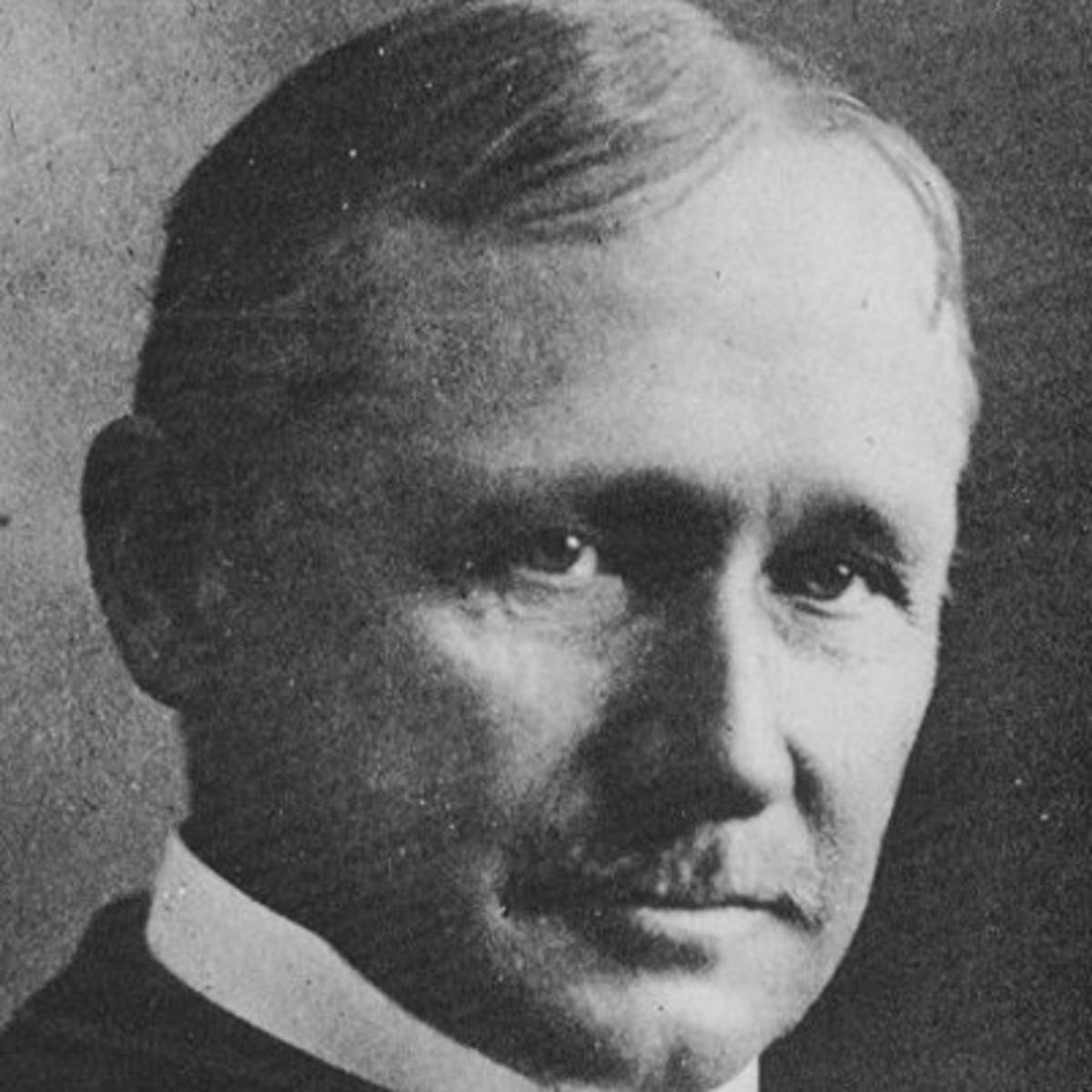
In the 18th Century the utilitarian philosopher Jeremy Bentham came up with his idea of the Panopticon, a prison building with a central tower encircled by cells so that each person in the cells knew they could be watched at all times. Whether they were observed or not was actually immaterial. Bentham called it ‘a new mode of obtaining power of mind over mind’ and while he focused on its use as a prison, he was also aware of the idea’s usefulness for schools, asylums and hospitals. Bentham got the original idea following a visit to Belarus to see his brother who was managing sites there and had used the idea of a circular building at the centre of an industrial compound to allow a small number of managers to oversee the activities of a large workforce. This is something of a precursor of the scientific management theories of Frederick Taylor that continue to influence the way we work and manage people.
(more…)