January 15, 2018
Is there a link between creativity and depression?
 The link between creativity and depression or other mood disorders is something of a cliché, but one explored in a new meta-analysis published in the journal Perspectives on Psychological Science. The study from Christa L Taylor set out to discover whether there was any truth to the twin ideas of the tortured genius and of misery as an inspiration for creativity. Based on 36 studies into the relationship between mood disorders and creative thinking involving very high numbers of people, the report concludes that there are often strong correlations but that causation is somewhat harder to pin down. The diagnosis of mental disorders and the incidence of creativity is also complicated by the fact that researchers may often be unable to distinguish between the two.
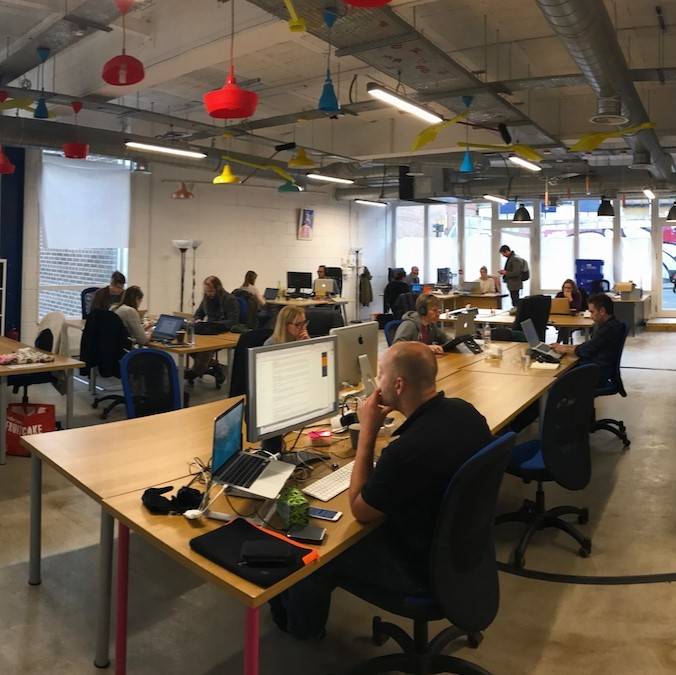



 A third of line managers have admitted they would struggle to identify mental health issues and a similar percentage wouldn’t know what to do if a team member had a mental health problem. This is according to new data from Bupa which argues that while mental health and wellbeing support in the workplace has significantly improved in recent years, and employer support is gaining attention with two in five managers being trained; line managers would still benefit from support and advice to identify mental health issues within their teams. These findings come at a time when NHS figures identify that almost a third of fit notes issued by GPs are for mental health problems – making it the most common reason for people to be signed off from work. Recognition of the role employer support plays in helping colleagues with mental health conditions is clear as two in five (41 percent) line managers have already received related training from their employer. And conversations around mental health at work are being reframed as more than a third (35 percent) of employees feel more comfortable talking to their manager about their mental health than before.


 With the Met Office predicting that the hot weather looks set to continue for much of this week, workplace expert Acas, has offered some tips to help employers manage workplace challenges due to the hot weather. From a legal perspective, it advises that workplace temperatures should be reasonable as the Health & Safety Executive (HSE) has stated that the temperature in all workplaces inside buildings must be reasonable. The HSE offers