To provide the best experiences, we use technologies like cookies to store and/or access device information. Consenting to these technologies will allow us to process data such as browsing behaviour or unique IDs on this site. Not consenting or withdrawing consent, may adversely affect certain features and functions.
The technical storage or access is strictly necessary for the legitimate purpose of enabling the use of a specific service explicitly requested by the subscriber or user, or for the sole purpose of carrying out the transmission of a communication over an electronic communications network.
The technical storage or access is necessary for the legitimate purpose of storing preferences that are not requested by the subscriber or user.
The technical storage or access that is used exclusively for statistical purposes.
The technical storage or access that is used exclusively for anonymous statistical purposes. Without a subpoena, voluntary compliance on the part of your Internet Service Provider, or additional records from a third party, information stored or retrieved for this purpose alone cannot usually be used to identify you.
The technical storage or access is required to create user profiles to send advertising, or to track the user on a website or across several websites for similar marketing purposes.







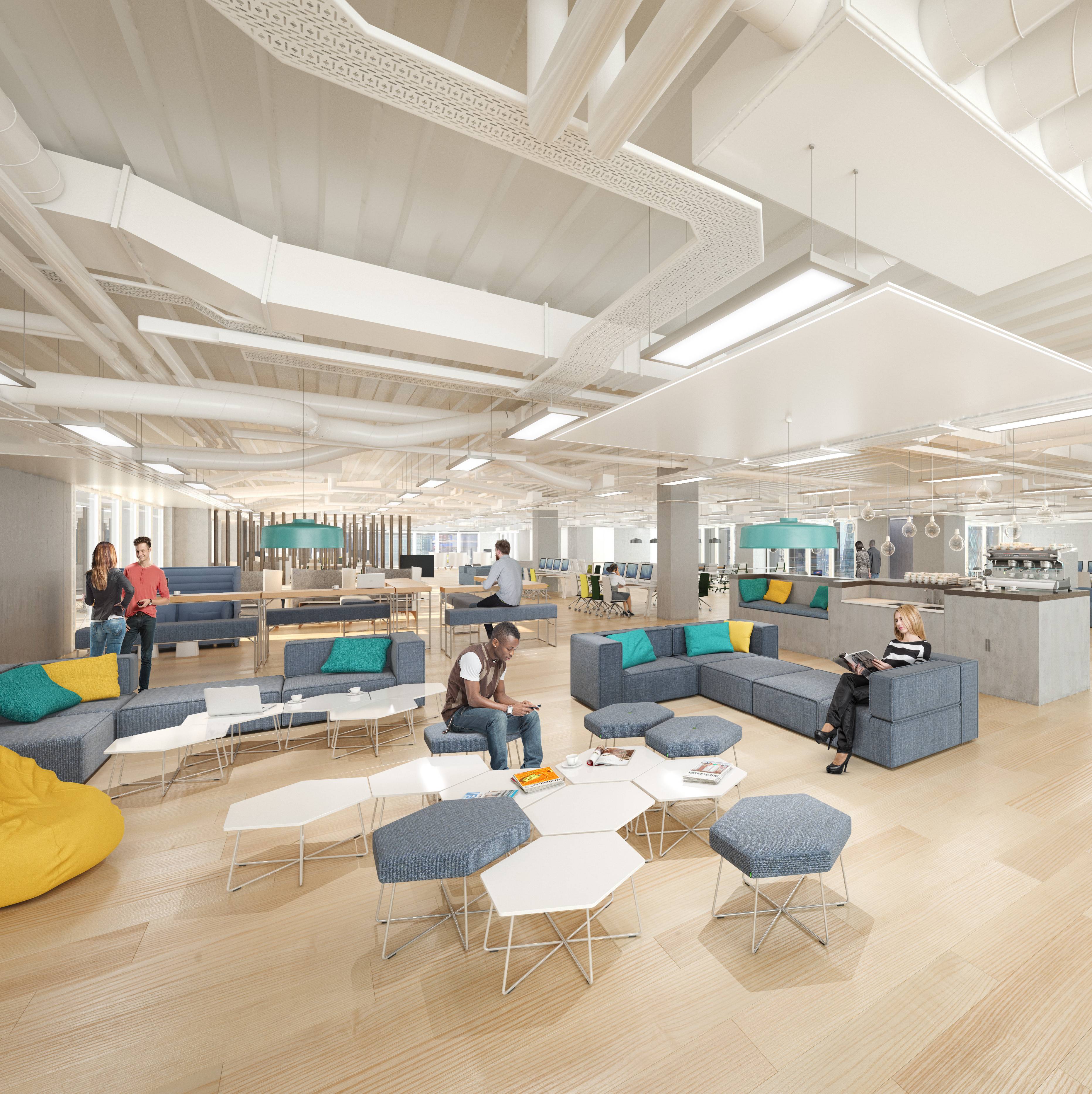
 Serviced offices dominated office take-up in London’s West End in August, mainly due to three big transactions resulting in a 44 percent market share, but the Tech and media sector continues to be the main driver for space. According to figures from Savills just shy of a third (31 percent) of take-up for office space this year has been to Tech and media sector occupiers. Similarly, West End and Central London requirements almost mirror demand from this sector, with the Tech and media sector accounting for 35 percent of the 4.3m sq ft of active requirements.
 National Work Life Week (1st – 5th October 2018) starts today with the aim of encouraging companies to think about their employees’ wellbeing and happiness. To mark the week new research asked British workers about the things they most want from their work. The YouGov survey of 2,000 adults, commissioned by the Oxford Open Learning Trust, found that while money is predictably the biggest motivator behind career choice (64 percent), over half of the respondents cited working hours and flexible working as an important factor (55 percent).
 The majority (86 percent) of UK office workers claim they are more likely to be told off for forgetting to do menial tasks, like emptying or loading the dishwater and keeping their workplace tidy, than complying with GDPR policies, according to a new poll which assessed whether GDPR is being taken seriously by UK office workers since its introduction in May of this year. The study from Fellowes found that only 14 percent of workers have been given a ticking off about careless handling of confidential data, while 25 percent claim office chores, like emptying or filling the dishwasher, has landed them in the hottest water. The data, collected from over 1,000 UK office workers in July 2018, also reveals that many are more likely to be challenged about missing deadlines and being late (17 percent) than ensuring they are compliant with GDPR.





 Generation Z, the latest generation of workers to enter the workplace (aged 18-24) are social creatures a new report suggests, preferring to work in an office environment, with only 8 percent thinking they work best from home compared to 20 percent nationally. However, putting aside the assumption this is because they’re sharing a cramped flat or living with parents, even within the office environment, the vast majority (81 percent) think social and communal areas are important workplace facilities compared with only 64 percent of all employees and 58 percent of Baby Boomers.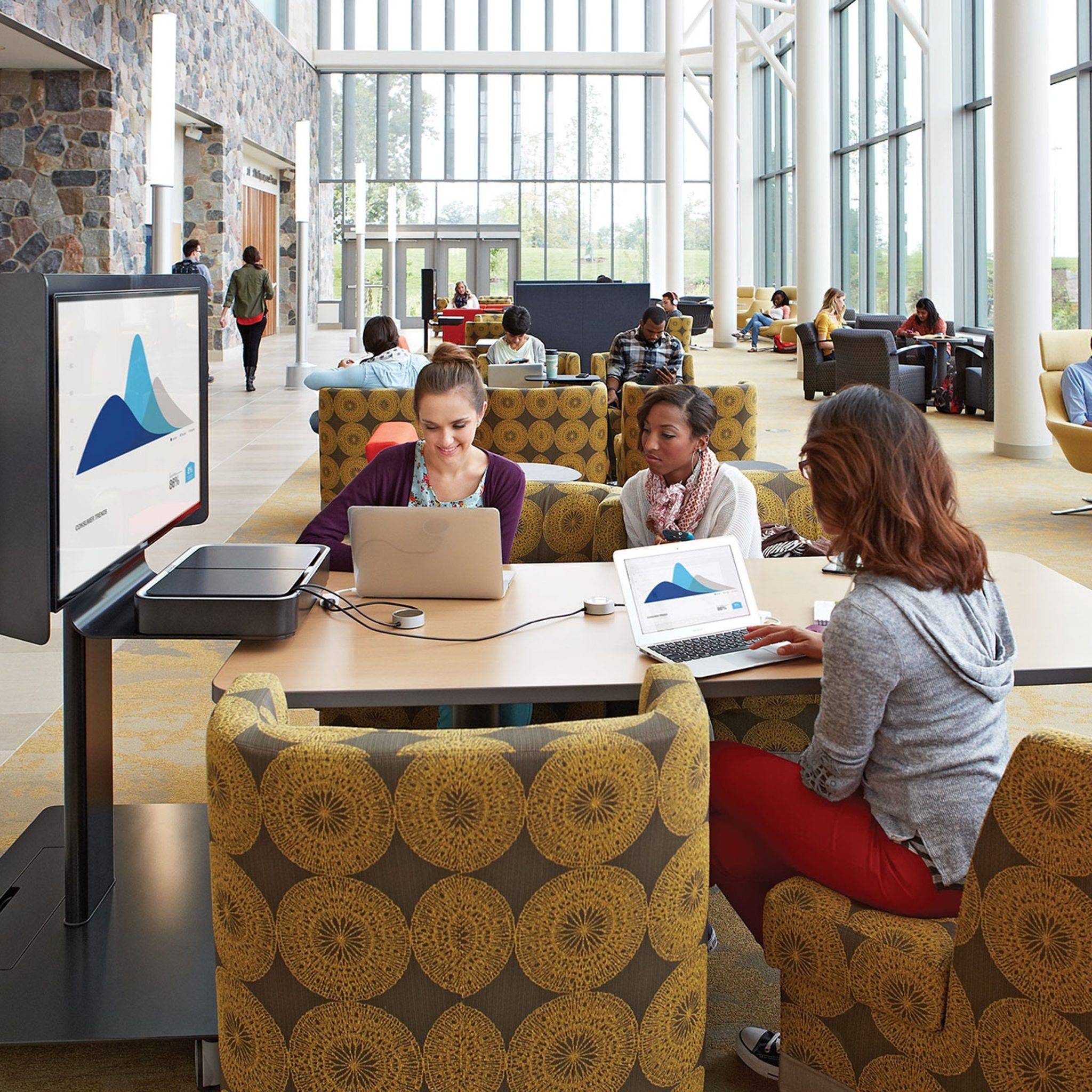










September 24, 2018
It is not particularly easy to change human behaviour by design
by Mark Eltringham • Comment, Facilities management, Workplace, Workplace design
(more…)