







July 11, 2017
Serviced and coworking offices top London leasing market for the first time 0
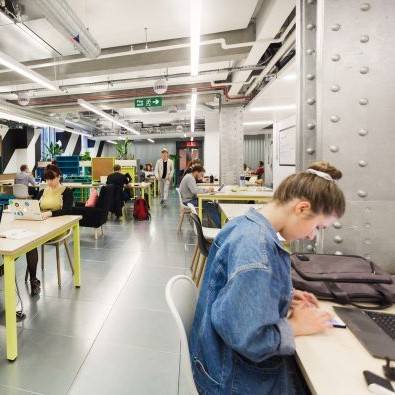 Serviced and coworking office space providers have accounted for the largest share of space leased in Central London for the first time, according to new research from Cushman & Wakefield. During the first half of 2017, serviced office or co-working providers – such as WeWork and The Office Group – accounted for 884,235 sq ft of newly-leased office space in central London. The second quarter of the year in particular witnessed a dramatic escalation in activity by serviced office and co-working providers with 651,540 sq ft leased – around a quarter of central London’s take-up across April, May and June. This was more than London’s traditionally dominant occupational sub-sectors such as technology, media and financial services. The H1 2017 total is more than serviced office and coworking providers accounted for in the whole of 2016 (853,178 sq ft). and is just a deal or two shy of the sector’s average annual take-up between 2012 and 2016 (908,972). It seems certain therefore that serviced office and co-working providers will this year surpass their record annual volume of 1,267,926 sq ft set in 2014, according to the firm.




 Acas’ helpline receives many callers working on a zero hours, agency or self-employed arrangement who do so out of necessity rather than by choice, with some people feeling taken advantage of and unfairly excluded from employment rights. In its response to the Matthew Taylor review on modern employment practices the Acas Council looked at calls to its employment helpline, which revealed confusion and uncertainty around employment status and rights for those involved in the non-standard types of working. Prompted by evidence that these types of working arrangements are on the rise Acas has also published a new discussion paper on non-standard or ‘atypical’ forms of work, and identifies areas where good practice can be encouraged and improved. The discussion paper, Ain’t that typical? Everyday challenges for an atypical workforce, also reveals that the practice of ‘zeroing down’ workers’ hours is used in some workplaces to discourage staff from raising concerns or asserting rights.


 Britain’s most family friendly and flexible employers have been recognised in this year’s Top Employers for Working Families Awards. Now in their 8th year, the annual Top Employers for Working Families Special Awards from the UK’s work life balance charity cover 11 categories across a range of work life policies and practices. Four new sector-specific awards are being introduced this year for the private, public and third sectors; as well as a category for small employers. Sarah Jackson OBE, chief executive of Working Families, said: “In many ways, flexible working and family friendly working have never been more part of the bloodstream of British business. We had a record-breaking number of entries this year, showcasing a wealth of exciting approaches to creating agility in the workplace. Congratulations to all this year’s Top Employers for Working Families award winners, singled out because they offer leading flexible workplaces that support the grain of their employees’ lives. I look forward to working with them to make work work, for people, families and the economy, so that families thrive and business prospers.”








 A new survey claims that UK workers waste on average five days of annual leave each year with one in six having more than a full working week of holiday leftover in 2016. The new study, commissioned by Airtours, has found that 40 percent of workers did not use up their full holiday allowances, and those who did spent less than half of their time off relaxing. Of the reasons given for not taking their allocated leave, 25 percent of people asked said they didn’t need to take it or even want to, 36 percent had too much on at work to take time off, and 26 percent weren’t allowed to take holiday as it meant being off at the same time as colleagues. When people did take a break last year, the research suggests that most of the time people weren’t using their holiday how they should have been by recharging their batteries. On average people spent seven holiday days at home and 56 percent admitted to doing boring chores instead of getting out and enjoying themselves. A further 32 percent used their holiday to go to medical appointments and 17 percent used it to deal with those unexpected family emergencies, like illness or injury or taking the dog to the vet.