







June 7, 2017
Coworking and the current French revolution in the workplace 0
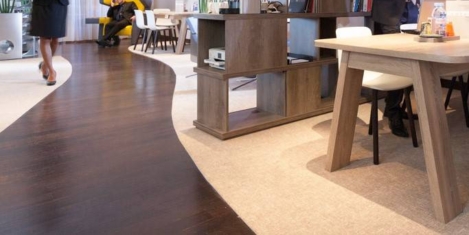
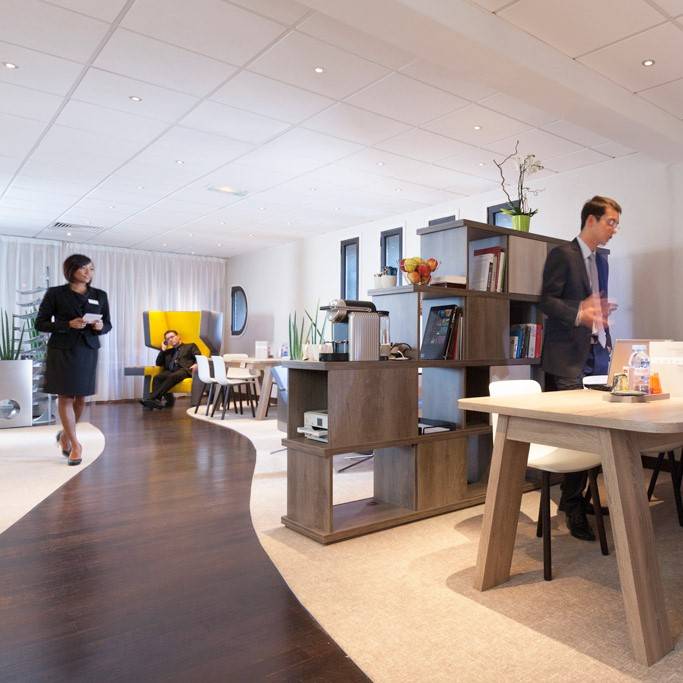 In France, we might have been the first to behead a King and hold a revolution, or to stand on barricades and die for ideals of justice and equality, but when it comes to change – especially in large organisations– we always seem to lag behind. You could blame it on a number of factors: a cultural bias towards tradition, the legacy of an interventionist and ever-present state, spawning bureaucratic models of large state-owned corporations, the everlasting grasp of the elites stifling innovation and the ability to “think outside the box”… Whatever this may be, the debate around remote working – a type of work organisation which allows employees to work regularly away from the office – in France has always been articulated around the preconception that France was behind. And that while its Anglo-Saxon or Nordic European neighbours displayed a boastful 30 percent of the working population as remote workers, France struggled to reach a meagre 9 to 10 percent in 2010.



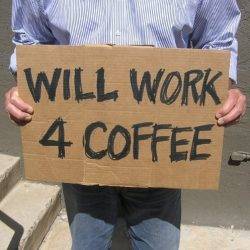 Nearly half of UK employees are effectively working an extra day per week for free, claims new research from Powwownow. On average, UK workers spend just under seven hours per week working outside of contracted hours – the equivalent of a nine-to-five working day with an hour for lunch – but nearly half of them (42 percent) receive no pay for this extra days’ worth of work. A quarter of UK workers (26 percent) receive their standard pay for any overtime, while a fifth (21 percent) are rewarded with ‘time and a half’. Only 6 per cent receive ‘double time’. Germans get a worst deal though, as employees spend an average of 7 hours and 54 minutes working extra but a huge 61 percent of workers receive no pay at all for this time. Workers in Sweden spend the least time working outside of contracted hours, with only 4 hours and 9 minutes of extra work per week.





 Less stress and better workplace relationships are the reason why the happiest regions to work in the UK are Yorkshire and the Humber; while uninteresting work is the reason why employees in Scotland and the South are the most unhappy. Research into










June 12, 2017
What will the UK General Election mean for the workplace? Some experts respond 0
by Mark Eltringham • Architecture, Comment, Flexible working, Property, Workplace, Workplace design
(more…)