







February 28, 2017
Digitisation of workplace boosts earning powers in creative and design sector 0

The rise of the gig economy and social media platforms have pushed creative and design jobs up the salary ranks, according to the latest UK Job Market Report from Adzuna.co.uk. In January, average salaries in this sector saw an annual increase of 2.2 percent to £31,828, with its popularity being driven by factors such as the new digital age coupled with the expertise of graduates who step into the jobs market with a fresh outlook on social media channels such as Snapchat and Instagram, which are highly valuable to employees. Across the job market, the employment rate stands at 74.6 percent, the highest since comparable records began in 1971 according to the ONS. This has been helped by a record proportion of women in work, with so-called ‘returnships’ – a type of later-life work experience helping older people, predominantly women back into the workplace – boosting the figures. Immigration may have tailed off in the wake of Brexit, but this also previously helped stimulate the jobs market.



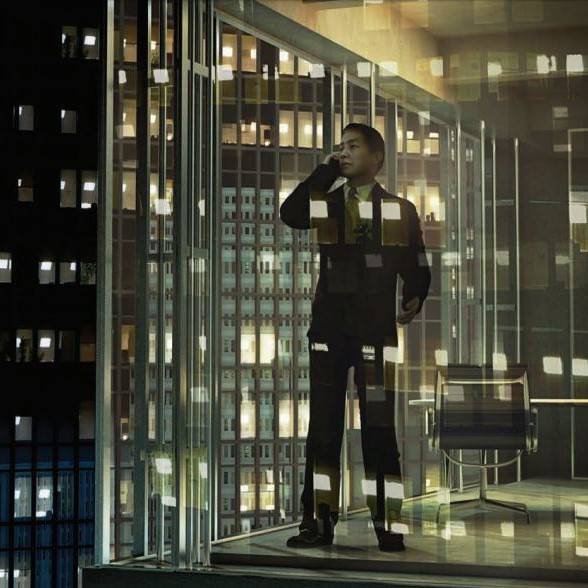
 Implementing new technologies over the next 12 months is of primary importance for senior managers, with nearly two-fifths of finance directors saying digital transformation is one of their greatest priorities. Against a backdrop of economic uncertainty, chief financial officers (CFOs) are focusing on increasing profitability (41 percent) and driving overall company growth (39 percent) in the year ahead, according to research from,




 The
The 
 Employees would like more freedom and flexibility at work with over half believing that the structure and culture of their workplaces are holding them back from doing their job more effectively (55 percent and 53 percent respectively). That’s according to new research from ILM, which has launched a new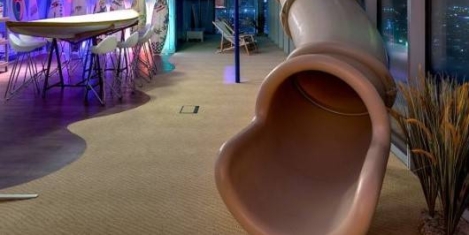
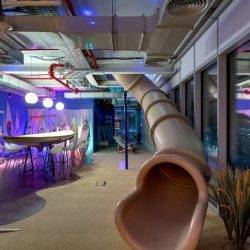 The majority (79 percent) of workers say reliable and modern technology is more important to them than office aesthetics, while accessories such as ping pong tables, slides, hammocks and wacky office designs may look good in pictures, but they don’t necessarily make employees any happier or productive. The is according to a survey, conducted by storage firm Kiwi Movers, which found that 86 percent of UK adults who work in an office said fun features were of no specific value to their working life, 11 percent said they were nice-to-have and of some value and 3 percent said they were very valuable. The most popular office perks are those offer an immediate tangible benefit to the employee, but even so, as many as 23 percent don’t take advantage every day; while 71 percent overall said they’d like more space in their office and of those, 58 percent believe that could be achieved by removing non-essential items. The research also found that younger workers were more likely on average to take advantage of ‘environmental’ perks like chill out areas and recreational equipment.
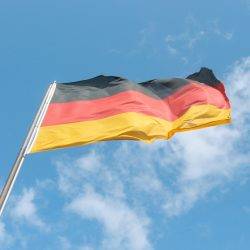 Nearly three quarters of European employees would consider career opportunities abroad, with Germany voted the most desirable place to work claims a new study of nearly 10,000 working adults across Europe. According to research by ADP which looked at how employees feel about the future of work, international competitiveness and talent management, European employees have a strong appetite for international work, as almost three quarters (74 percent) would consider other countries for career opportunities. At 21 percent, Germany tops the list of most popular places to relocate, with the United Kingdom (15 percent) and France (12 percent) in second and third place; with North America surprisingly coming in much further down the list in 12th place. Despite their popularity, Germany, the UK and France aren’t particularly strong in any of the areas measured in the survey, such as skills and development, flexible working options and stress in the workplace.