March 27, 2018
Property and construction industry calls on government to raise the bar on environmental standards
 Over 50 influential business leaders from across the construction and property industry have signed an open letter to ministers urging them to introduce policy that will see all new buildings built to net-zero carbon standards by 2030. As a first step towards the 2030 goal, the group calls on the government to swiftly confirm that from 2020 energy performance standards will be significantly improved. Coordinated by the UK Green Building Council (UKGBC), the letter asks ministers to give the industry medium and long-term policy certainty, to drive significant investment and catalyse innovation.




 Over half (52 percent) of workers in a new poll have admitted looking for a new job because of frustrations over what they see as outdated ways of thinking around work practices and automation at their current company. The

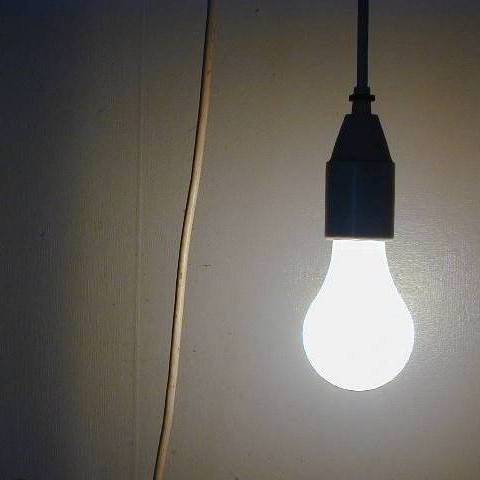
 Over a third of workers are adversely affected by a lack of natural light in their office, others complain that the lighting is too bright and a significant proportion say the quality of light provided is so weak they struggle to read. This is according to a new poll which quizzed employees about the difficulties associated with workplace lighting and found that headaches and dizziness were a problem for one in seven. Other employees reported finding the lighting too bright and dazzling (12.4 percent), while one in 10 said they had to strain their eyes due to a general lack of light. A similar proportion said they were bothered by the position of the lights and by the ‘stressful environment’ created by their workplace lighting (9.3 percent each). The findings come as reports of ‘sick building syndrome’ — a condition associated with office work that causes symptoms including headaches and respiratory problems — continue to hit the headlines. Such symptoms are usually attributed to unhealthy or stressful elements of the working environment, such as poor ventilation and lighting.
 UK office workers are under a tremendous amount of stress, and much of it is directly related to the way their work is being managed. That is the conclusion of a report by Workfront, which finds that office workers are becoming frustrated and burned out by poor work tools, processes, and communication. Four out of five office workers confessed that they feel burnt out and 73 percent expect their stress levels at work to increase in the near future. Nearly three quarters (74 percent) admit to feeling unrecognised and un-useful at work. With lack of communication and not knowing what others are working on (37 percent) cited as the number-one pain point across the board for stressed UK workers, it’s clear that businesses need to break down current silos, allowing people to engage more freely with senior staff members and see how their efforts impact the wider team. The study found that poor communication and visibility into work is UK workers’ number-one pain point in terms of work stress. It also reveals that 42 percent of office workers put in more than 6 hours of overtime per week and that 7 out of 10 office workers expect their stress levels at work to increase into the future.


 The mental health of employees, especially those working within high pressured working environments are the number one concerns for UK CEOs. Nearly three quarters (73 percent) of respondents to the annual wellbeing report ‘