







August 23, 2017
Shared experiences and even team building exercises might actually make people happier
 A new study from the What Works Centre for Wellbeing, published in the Journal for Environmental and Public Health, claims that shared activities in workplaces can boost wellbeing and performance by improving their ‘social atmosphere’. The review of nearly 1,400 scientific papers and reports from across the globe led researchers from the Universities of East Anglia, Essex, Reading and Sheffield to conclude that team activities are effective at making us happier at work. All the successful examples they found shared common characteristics in that they involved everyone – including people who might be reluctant to interact in shared activities and involved more than a one-off activity and carried on over time. Examples ranged from as few as three one-hour workshops to a more extensive programme delivered over several years.







 Employees who feel trusted by their employer to manage how and when they work for themselves can improve their levels of productivity, a new survey suggests. The research by Peldon Rose claims that UK workers rate feelings of trust and autonomy from employers and colleagues as increasingly important in keeping them productive and happy in the workplace. But the survey also shows that many employers are failing to provide employees with the resources and support they need to manage their workload and keep them motivated. Although the majority of staff (59 percent) say they work most productively in the office, a third (33 percent) wish they were more trusted to manage how and when they work and 42 percent say that their office does not support a culture that allows them to work flexibly. Despite the clear value that staff place on trust and autonomy, employers are overlooking an opportunity to create a confident and self-motivated workforce.
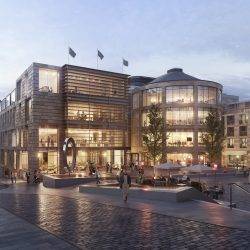 The creative industries sector accounted for over a third 35 percent) of take-up in the regional office market in the first half of the year, with this sector in particular driving the co-working revolution and the provision of flexible office space. Latest figures in CBRE’s H1 2017 Property Perspective, which monitors the performance of ten regional cities, overall, the UK’s regional office markets saw continued demand in the first half of 2017, with office take-up reaching 2.8 million sq ft, only slightly lower than the five-year average. For the first half of 2017, several cities witnessed improved levels of take-up when compared with the first half of 2016, these include Aberdeen, Edinburgh, Leeds and Manchester. Select locations such as Reading, Maidenhead and Watford also saw a continuation of record rents being set during the first half of the year, which has largely been driven by the delivery of new developments.