April 24, 2018
UK companies lag in offering flexible and remote working, claims report
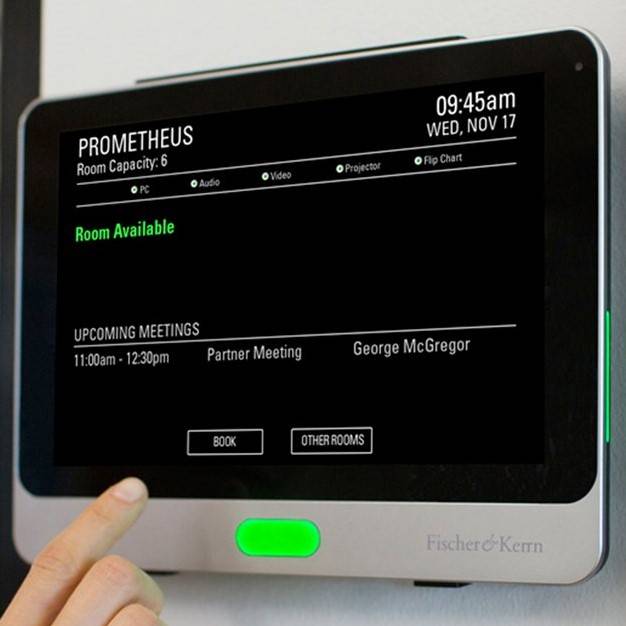
 The UK lags behind in the shift to flexible and remote working, putting more emphasis on effective meetings to coordinate scattered teams, according to a new report, The Modern Workplace 2018: People, Places & Technology (registration required) from workplace software company Condeco. Across the world, the study of 500 organisations in six countries claims, workers are in the midst of a shift to flexible and remote working – spending more time working from home, on the move or from multiple locations. However, the UK is significantly behind in embracing these trends, which could negatively affect worker satisfaction as well as holding back firms who are competing for the best international staff.



 More than a third of employees’ waste significant chunks the working day because of difficulties retrieving valuable information, with two-fifths of businesses admitting to having no processes in place to capture, record and retrieve business communications. The research conducted by 3Gem on behalf of TeleWare, claims that 36 percent of employees have wasted a lot of the working day attempting to resolve an issue when they have forgotten valuable information. A similar number (34 percent) explained that forgetting information has led them to deal ineffectively with customers, suppliers or clients. While around a quarter have missed important deadlines (26 percent) or let their colleagues down (25 percent) due to not having the necessary information front of mind. Britain is not doing very well when it comes to workplace productivity. According to the latest G7 productivity analysis from ONS, in terms of output per hour worked, the UK scored 15.1 percent below the average for the rest of the G7 advanced economies.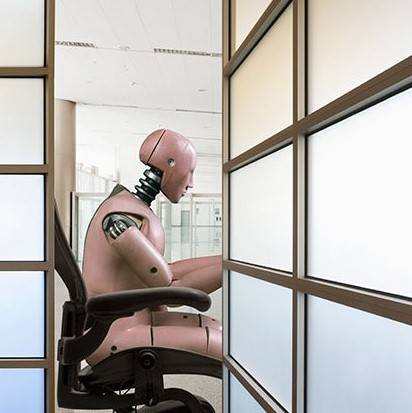
 Robots will not as feared steal people’s jobs and will eventually improve productivity, but they will undercut workers’ contribution sufficiently to depress their wages. According to the third report in Barclays Impact Series, titled





 It should come as little surprise that graduates who have undertaken an internship are more likely to have honed the skills businesses needs, one of the main findings of the Institute of Student Employers (ISE) annual Development Survey, which launches today (28 March 2018) at the ISE Student Development Conference. The report found that 63 percent of employers believed graduates who had undertaken work experience had the required soft skills, yet less than half (48 percent) thought this of graduates in general. According to the report the five most common graduate skills gaps are; managing up (5 percent of employers believed graduates had this skill); dealing with conflict (12 percent); negotiating/influencing (17 percent); commercial awareness (23 percent and resilience (31 percent). This is why closing skills gaps is a priority for businesses with 74 percent of employers taking specific actions to tackle the issue in 2017. Changes to recruitment and on-the-job training were the most common actions and 16 percent of organisations improved their internship development programmes specifically to close skills gaps.