May 24, 2018
More than three quarters of British workers have worked whilst genuinely ill in the last year
 Employee services business Personal Group and online doctor service videoDoc have published the findings of a survey of 2,496 UK employees on their attitudes and behaviours around work presenteeism and illness in the workplace. The results indicated some worrying trends with regards to the prioritisation of work over health, with the average British worker having worked more than four days whilst genuinely ill in the last year, and over half of UK employees (52 percent) admitting to delaying seeking medical advice because they didn’t want to take time off work. Of those who did take time off work to see a doctor in the last 12 months, 15.7 percent took unpaid leave to do so, 17.5 percent used their annual leave entitlement and 22.4 percent left work early or arrived late – each of which arguably negatively affect both employee wellbeing and organisational productivity.




 Following the deadline for organisations to publish their gender pay this week, it came as little surprise to find that almost



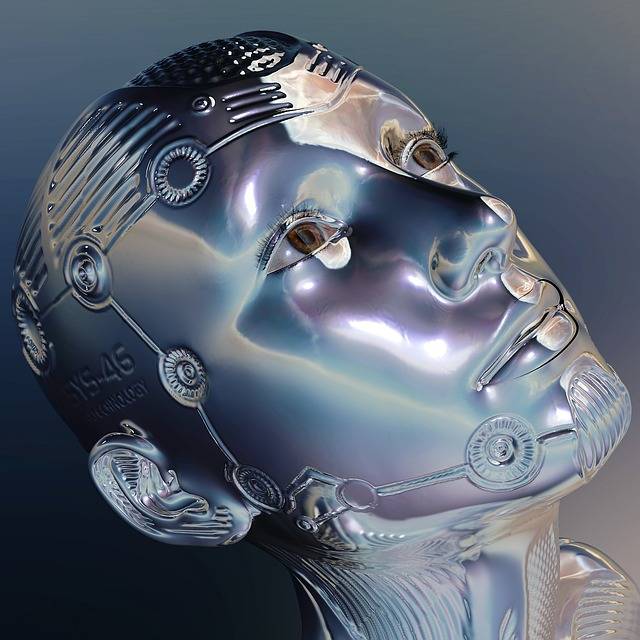
 Artificial intelligence systems need to be accountable for human bias at AI becomes more prevalent in recruitment and selection, attendees at the Employers Network for Equality & Inclusion’s annual conference have been warned. Hosted by NatWest, the conference, Diversity & Inclusion: The Changing Landscape heard from experts in ethics, psychology and computing. They explained that AIs learnt from existing data, and highlighted how information such as performance review scores and employee grading was being fed in to machines after being subjected to human unconscious bias. Dr David Snelling, the programme director for artificial intelligence at technology giant Fujitsu, illustrated how artificial intelligence is taught through human feedback. Describing how huge data sets were fed into the program, David explained that humans corrected the AI when it used that data to come to an incorrect conclusion, using this feedback to teach the AI to work correctly. However, as this feedback is subject to human error and bias, this can become embedded in the machine.