








April 6, 2018
Women are happier and more engaged at work than men, despite the gender pay gap
 Following the deadline for organisations to publish their gender pay this week, it came as little surprise to find that almost eight in 10 organisations pay men more than women. The debate over the reasons why will continue, but new research now claims that women remain happier and more committed at work than men, despite this disparity. Employee benefits provider Personal Group’s Gender Happiness Gap research shows that contrary to, and perhaps in spite of the fact that the Gender Pay Gap tends to favour men, happiness at work tends to fall in favour of female staff, with men much less happy in the workplace than their female counterparts. Whilst 77 percent of PAYE female employees are happy at work at least some of the time, the figure is only 66 percent for men. This means that one in three men are rarely or never happy at work. The case is similar when looking at the total workforce: 45 percent of female staff stated that they’re happy most of the time at work, versus only 38 percent of male staff. Amongst women, the 30-49-year-old age group is the unhappiest age group, which may be due to juggling family life alongside working commitments.


 Over a third of UK employees (37 percent) have felt discriminated against in the workplace, more than one in ten (12 percent) believe they have suffered age discrimination and 8 percent feel they’ve been discriminated against due to their gender. This rises to 11 percent amongst women, claims a new study of 1,300 working adults by ADP. The study also suggests that standards and perceptions of behaviour have shifted across the generations, with those in so-called ‘Generation Snowflake’ more sensitive to unfair treatment than their more mature colleagues. According to the findings, half (50 percent) of those under 35 say they have felt discriminated against, compared to just a quarter (26 percent) of those over the age of 45. The contrast is visible across both age (15 percent vs 14 percent), gender (11 percent vs 5 percent) and other types of discrimination.
 A new report a new report by the Centre for Ageing Better has called for government and employers to support older workers to stay in work for longer, help those who have fallen out of work involuntarily to return and to create workplaces that work for all, irrespective of age. The report claims that ensuring older workers are able to stay in good quality employment is essential to the future of the UK economy and will relieve pressure on public finances. It makes some key recommendations that include access to flexible working hours and workplace adaptations to help people manage pressures such as caring responsibilities and health conditions, which become more prevalent with age. It also calls for equality of opportunities in the workplace as older workers in the UK experience age discrimination in recruitment and progression. They are less likely to be offered opportunities for development – across the whole of the OECD only Turkey and Slovenia have lower levels of on-the-job training for older workers than the UK. Research shows they are also the most likely to be stuck on low pay and feel most insecure about their jobs.



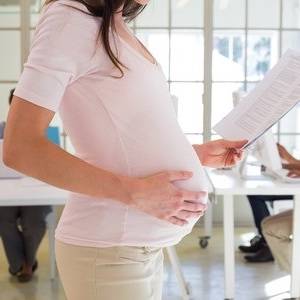
 Three-quarters (74 percent) of HR managers have witnessed discrimination in the recruitment process – with a quarter (24.5 percent) calling it a regular practice; and less than a third of HR managers (32 percent) can confidently say they are unprejudiced themselves during the recruitment process. According to research from digital recruitment platform SomeoneWho, almost half (48 percent) admit bias impacts their candidate choice, while a further fifth (20 percent) said they couldn’t be sure. The research also found that female candidates face a number of stigmas when looking for work. One in 10 recruiters said they would avoid a female applying for a male dominated role. A further one in 10 said they’d be reluctant to recruit a recently married candidate, as they were more likely to go on maternity leave soon. Shockingly, a fifth of HR managers said they would overlook a pregnant candidate. One in 10 HR managers would be reluctant to hire someone with a thick accent. A further 10 percent said they’d be less likely to select candidates who attended a state school.









May 16, 2018
A 21st Century take on the idea of the time capsule that tells us something about the way we work
by Freddie Steele • Comment
(more…)