







November 16, 2018
Biophilic design the key to improving mental health, productivity and stress levels
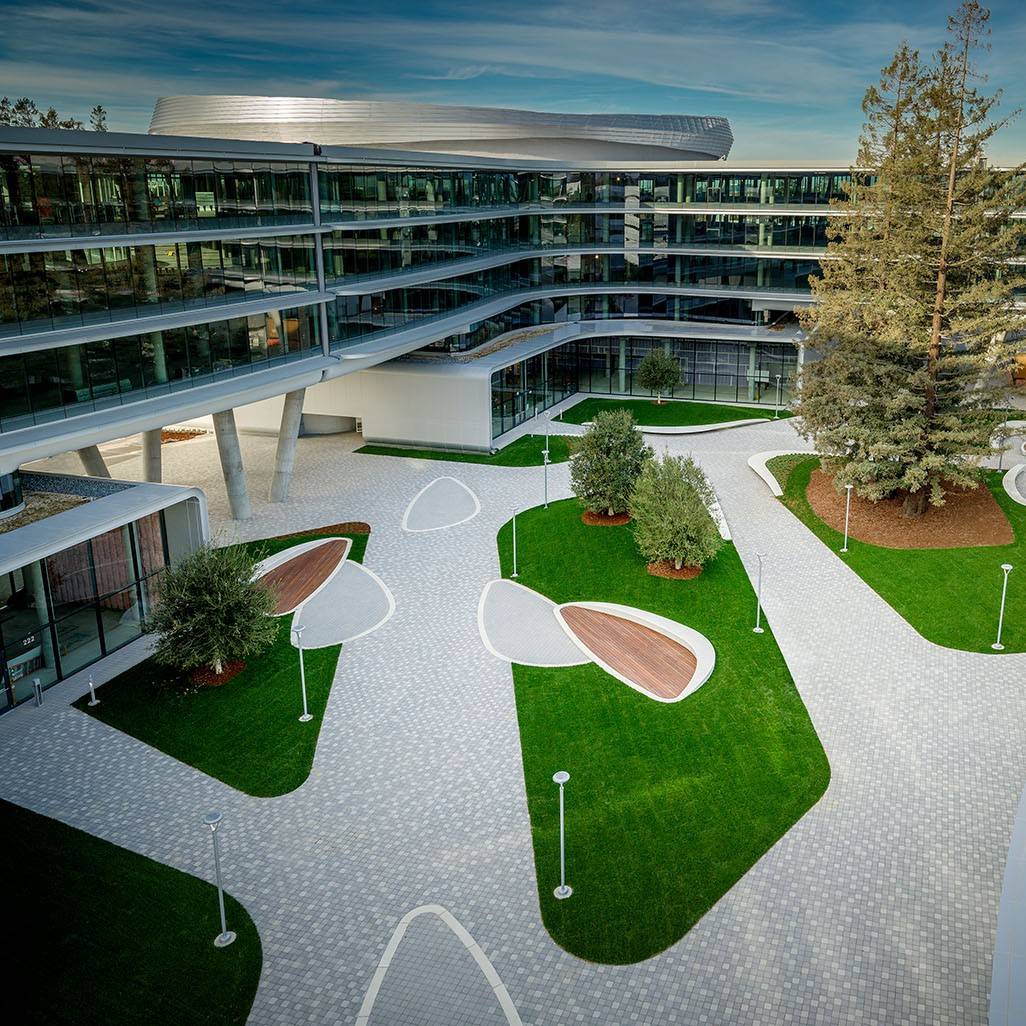 An expert panel at this week’s Welcome to the Biophilic Concrete Jungle event in London made the case for incorporating the principles of biophilic design into the workplace, including for health and wellbeing considerations, the promotion of productivity and to address workplace stress and urban disconnection from nature. HOK organised the event. Panellists included Joyce Chan, Head of Sustainability and Trina Marshall, Regional Leader of Consulting from HOK, Professor Derek Clements-Croome from Reading University, Alexander Bond from Biophilic Design and Dr Ed Suttie from BRE.

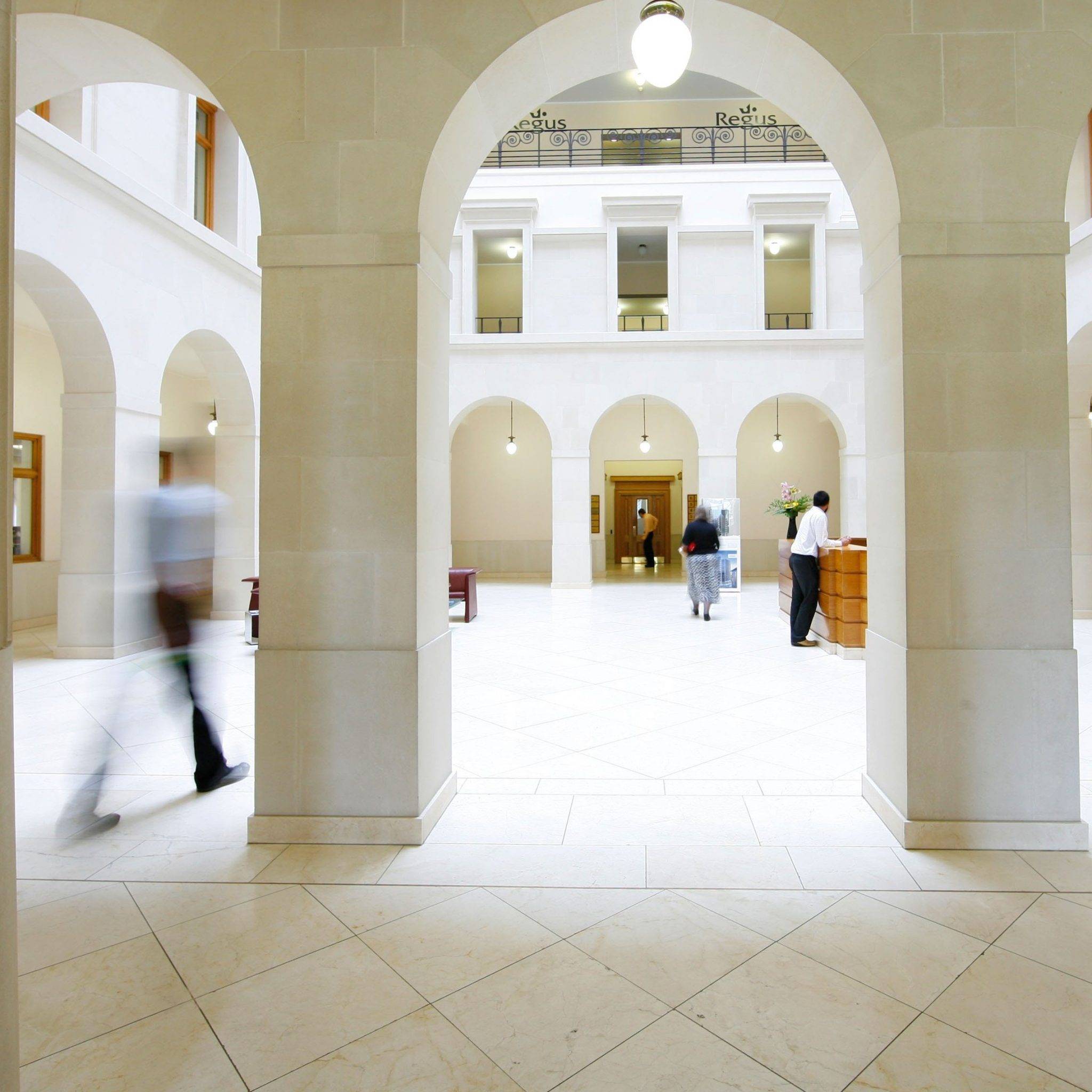

 The vast majority (97 percent) of office workers in UK feel frustrated by their workplace environments, with many feeling the need to escape office life as a result. A new report from Staples has discovered that one-in-five (22 percent) end up browsing LinkedIn job ads for something better when they’re frustrated. As a result, job-hopping is prolific, with workers now predicted to have 11.7 jobs between the ages of 18 and 48. The expectation that the grass must be greener elsewhere is leaving most thinking about switching jobs. However, when they do end up jumping ship, many just experience a short-term fix. According to the study, a third (37 percent) get frustrated in their new office before the end of their first six months. The majority of office workers say they seek fulfilment (89 percent) at work, and for most (77 percent), the quality of their office workspace is a contributing factor in how fulfilled they feel.


 New research suggests as the supposed ‘technologically savvy’ millennials enter the workforce they are more likely than older workers to break the most basic of security rule, reusing passwords across different accounts. This is according to the results of the 10th Annual Market Pulse Survey from SailPoint Technologies Holdings, which finds that despite an increased focus on cybersecurity awareness in the workplace, employees’ poor cybersecurity habits are getting worse, which is compounded by the speed and complexity of the digital transformation.
 Over a quarter of businesses plan to hire temporary or contract staff in the next 12 months to help plug skills shortages created by digitalisation as more than half of CEOs are concerned about a lack of digital skills within their organisation. This is according to the Robert Half 2019 Salary Guide which argues that technology is reshaping businesses; with two in five UK organisations (38 percent) considering digitalisation as the main evolving force in the workplace today. This shift has created demand for a new set of skills, such as DevOps, data visualisation, data management and analytics. While softer skills such as resilience, adaptability and critical thinking remain key characteristics in potential employees, a third (31 percent) of employers state that a candidate’s technical skillset is their most important consideration when making a new hire. Around 1.6 million1 (28 percent) UK businesses plan to hire temporary or contract staff in the next twelve months, to combat the lack available talent required, which is creating a critical skills gaps in the workplace.
 A sudden reversal in the growth in the number of both EU and non-EU migrants in employment in the UK could hit employer plans to take on more staff and worsen skills and labour shortages, according to the latest quarterly Labour Market Outlook from the CIPD and The Adecco Group. While the net employment balance – a measure of the difference between the proportion of employers who expect to increase staff levels and those who expect to decrease staff levels – has remained extremely positive at +22 (compared to +23 in Q3 2018), among employers which currently have vacancies, seven in ten (70 percent) report that at least some of their vacancies are proving hard-to-fill, higher than in Summer 2018 (66 percent) and Spring 2018 (61 percent).











November 15, 2018
Are you ready for the world of agile working we will experience in the 2020s?
by John Eary and Paul Allsopp • Comment, Facilities management, Workplace design
(more…)