To provide the best experiences, we use technologies like cookies to store and/or access device information. Consenting to these technologies will allow us to process data such as browsing behaviour or unique IDs on this site. Not consenting or withdrawing consent, may adversely affect certain features and functions.
The technical storage or access is strictly necessary for the legitimate purpose of enabling the use of a specific service explicitly requested by the subscriber or user, or for the sole purpose of carrying out the transmission of a communication over an electronic communications network.
The technical storage or access is necessary for the legitimate purpose of storing preferences that are not requested by the subscriber or user.
The technical storage or access that is used exclusively for statistical purposes.
The technical storage or access that is used exclusively for anonymous statistical purposes. Without a subpoena, voluntary compliance on the part of your Internet Service Provider, or additional records from a third party, information stored or retrieved for this purpose alone cannot usually be used to identify you.
The technical storage or access is required to create user profiles to send advertising, or to track the user on a website or across several websites for similar marketing purposes.









 Heralding the age of a more compassionate type of leader, almost eight in ten (76 percent) UK business leaders consider their employees to be friends, not just colleagues, with three quarters (74 percent) admitting they want their employees to like them, claims new research from Michael Page. (more…)
 Amid news that the UK government is mulling plans to grant Brits the right to work from home permanently, a new
 The commute as we knew it may be gone for good, claims new research conducted by
 Paradoxically, more in-person work environments and the concentration of jobs in cities could be a medium- to long-term impact of the pandemic’s shift to remote working, suggests
 As COVID-19 continues to limit our daily lives, forcing the Government to extend social restrictions into July, restrictions of a different kind are taking their toll on working women, and may be even longer-lasting, according to research from
 The future of work is neither here (at home) nor there (at the office). The hybrid post-pandemic model for the workplace is quickly coming into play, whereby employees work in the office for part of the week and log in from home for the rest, with staff rotating in and out, connecting virtually and in real life, all from various spots on the globe. Even as restrictions ease, it’s clear that work as we know it may never be the same. Full-time 9-5 commuting schedules are a thing of the past, but the practice of having the entire team conference together on Zoom from their couches is quickly ending as well.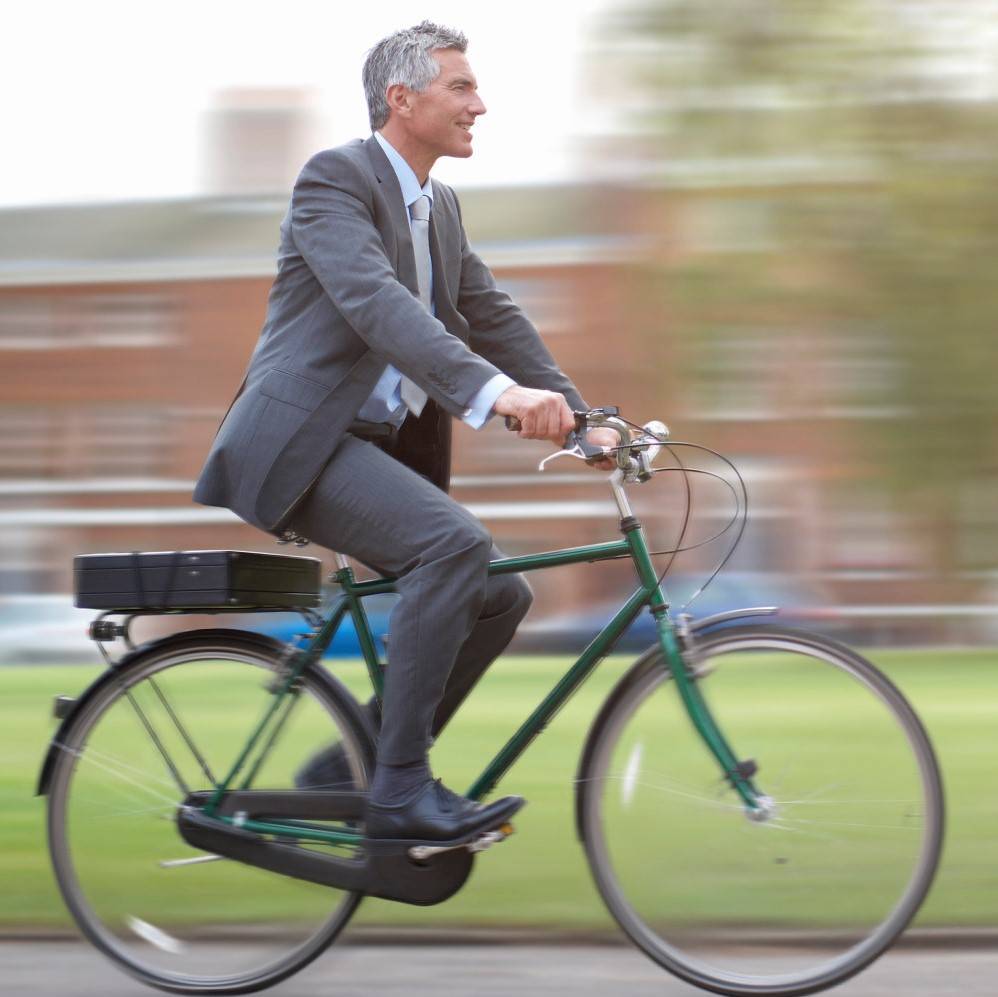
 Organisations and businesses have a lot to contend with as they begin to reopen their offices. From social distancing, working from home policies, office layouts, hand gel stations and more. But there also remains one key issue when it comes to welcoming employees back to the office. And that’s how they will get to work in the first place. That’s because the daily commute is going to look a lot different than it did pre-COVID. Firstly, while many employers and workers see the benefit of meeting in person, the hybrid world we now live in will see workers commuting to the office far less frequently. And, if they do travel to the office, there is an element of hesitancy about how they will get there; a recent study revealed
 As lockdown starts to lift, more people are having to think about going back to work as normal. That means commutes, offices, cafeterias, and face to face meetings.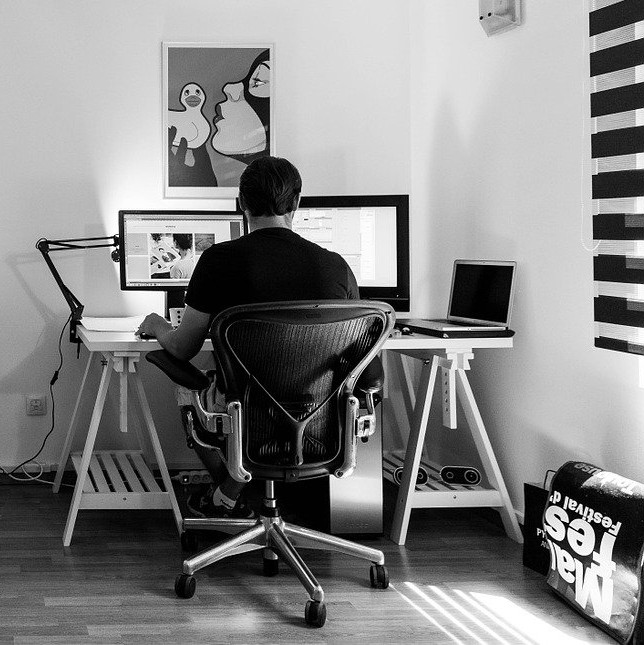
 Research commissioned by
 A year of unnecessarily binary conversation about work leads inevitably to this. A stupid question.
 Employees could save over £2,200 a year and ‘get back’ 98 mins a day if companies adopted a ‘Work Near Home’ model for offices in the future, claims research from workspace company,









June 3, 2021
Engineered familiarity in the new era of work
by Robin Bayliss • Comment, Working lives, Workplace design