







July 16, 2019
Impostor syndrome may have serious impact on mental health
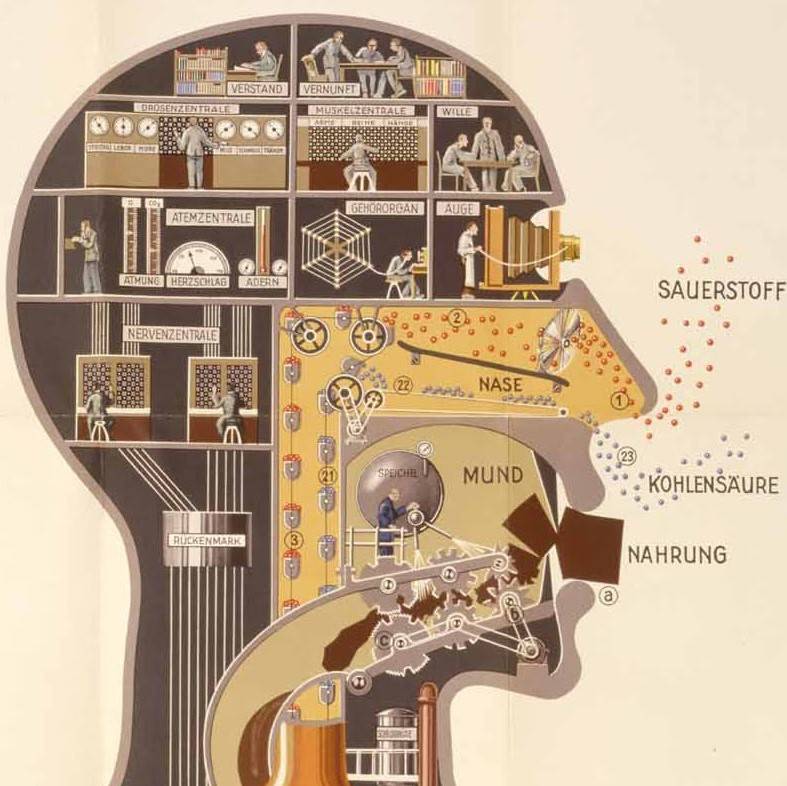
 According to a new study from researchers at the University of Houston, impostor syndrome can have serious consequences for mental wellbeing and can affect people’s personal relationships and home life. Those affected by impostor syndrome – the persistent feeling somebody has that they are not qualified or able to be in a work role – are more likely to report problems in their home lives, experience burnout and to have conflict between work and family roles. Additionally, although work-life balance problems weren’t necessarily linked to lower job satisfaction, emotional exhaustion was. (more…)







 Despite
 BSRIA has launched a new guide that aims to inform those involved in the design, construction and operation of a building about how an effective Business-Focused Maintenance (BFM) regime can be developed and achieved through the Soft Landings approach. The topic guide on Soft Landings and BFM is written as an ‘at a glance publication’ to give readers a glimpse of the subject and recommends further reading.









July 22, 2019
Problems with noise at work? A lot of it is in our heads 0
by Anna King • Comment, Wellbeing, Workplace design
(more…)