







March 20, 2018
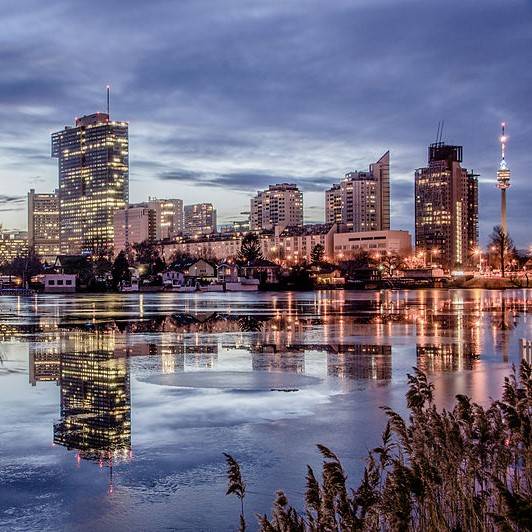
Vienna ranks highest for quality of living, but emerging cities doing more to attract mobile talent
 Cities in emerging markets, though challenged by economic and political turmoil, are catching up with top ranking cities following decades of investing in infrastructure, recreational facilities and housing in order to attract talent and multinational businesses, finds Mercer’s 20th annual Quality of Living survey. Meanwhile, many of Europe’s cities still offer the world’s highest quality of living and continue to remain attractive destinations for expatriates on assignment, despite economic volatility due to uncertainty around Brexit and increased political volatility in the region overall. Vienna tops the ranking for the 9th year running and is followed by Zurich (2), Auckland and Munich in joint 3rd place. In 5th place Vancouver completes the top five and is the highest ranking city in North America. Singapore (25) and Montevideo (77) are the highest-ranking cities in Asia and Latin America respectively. London – the highest ranked UK city – scores top marks in areas like access to public transport, and the variety and quality of theatres and restaurants, but has lower scores for air pollution and traffic congestion.




















March 21, 2018
There are at least some reasons to be optimistic about the UK’s tech sector post Brexit
by Gary Chandler • Comment, Property, Technology, Workplace design
(more…)