

October 29, 2014
The business case for green building widens to cover wellness and productivity
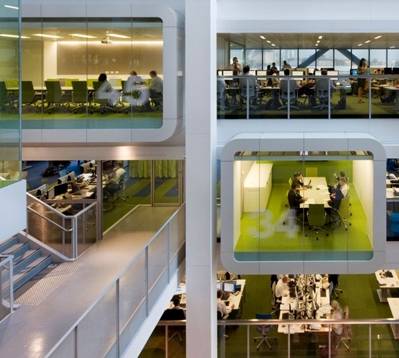
The debate about the economic, commercial and social benefits of green building design continues to evolve rapidly. Where once it was primarily focussed on environmental issues and related cost savings, the world’s major champions of eco-building are now making the case for sophisticated building design that has a broader range of benefits for organisations and individuals. The most significant report in this regard for some years has just been published by the World Green Building Council (WorldGBC). Its study Health, Wellbeing and Productivity in Offices: The Next Chapter for Green Building offers “overwhelming evidence” for the ways in which office design significantly impacts the health, happiness, wellbeing and productivity of people.The report covers a wide range of that influence the wellness, job satisfaction and performance of office workers. It identifies the ways in which these undoubted benefits add a new layer of sophistication to the case for organisations to invest in better, healthier and greener buildings.


Given the track record of people when it comes to making predictions about the future, it’s easy to grow cynical, especially when it involves a profession as subject to the vagaries of technological and cultural change as facilities management. But while we should be wary of more fanciful and long term thinking, any natural scepticism shouldn’t blind us to those predictions that we know will largely come true, especially those based on what we know is happening already. For example, recent research carried out by Cass Business School and Henley Business School and presented in the book
There is now an unstoppable energy for radical change in the way that companies of all sizes conduct their Corporate Social Responsibility duties. There are compelling economic and social reasons for companies to construct new ways of thinking and practice around CSR that go way beyond just doing something worthy or nice, from building effective partnerships to attracting top employees. Some companies prefer terms like ‘corporate responsibility’, ‘corporate conscience’, ‘corporate citizenship’, ‘social performance’, ‘sustainability’ or even ‘future-proofing’ over CSR. But the core CSR principles are that a business voluntarily commits to embracing responsibility for its actions and to impacting positively on the environment, on society and on consumers, employees and other stakeholders.
In the latest copy of the Workplace Insight newsletter available to view 

November 7, 2014
Orgatec 2014 focuses on collaboration, quiet and wellbeing in the workplace
by Anna King • Comment, Events, Furniture, Workplace design
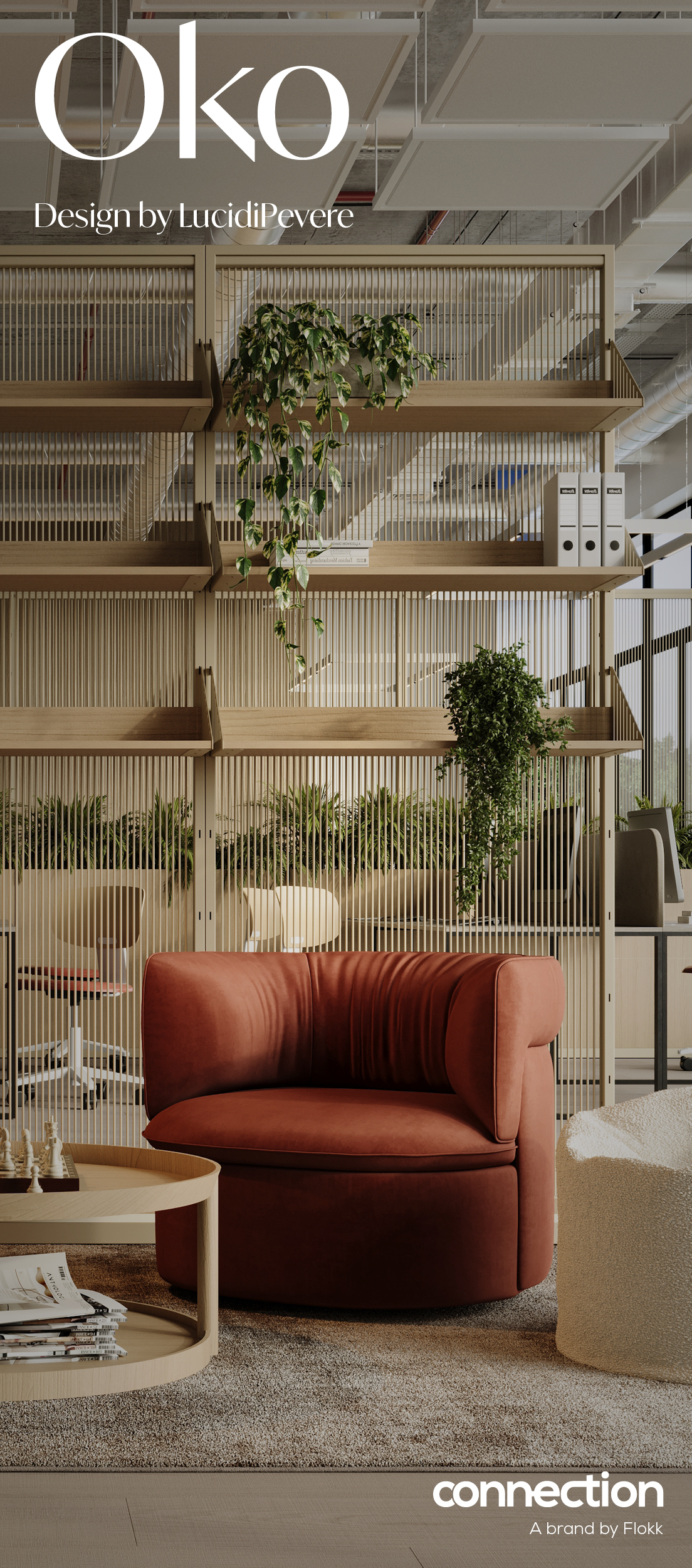
Anna King reports from the biennial office furniture and interiors fair Orgatec, which took place recently in Cologne: Collaboration seemed to be king once again at this year’s Orgatec trade fair in Cologne, so much so that you’d be hard pressed to find a conventional workstation amongst the thousands of products on display. Even ergonomic task chairs in the traditional sense were thin on the ground. Senator’s offering was typical in its focus on collaborative work and the provision of work settings. As well as the Ad-Lib Scholar range for educational establishments, it presented the Ad-Lib Work Lounge multipurpose chair, both the work of British design studio PearsonLloyd. This upholstered model complete with headrest is available on glides or castors so it can slot into a multitude of workplace scenarios. Shown in some rich shades such as moss green and turquoise, it comes complete with a fold-down worksurface for brainstorming or other group working.
(more…)