To provide the best experiences, we use technologies like cookies to store and/or access device information. Consenting to these technologies will allow us to process data such as browsing behaviour or unique IDs on this site. Not consenting or withdrawing consent, may adversely affect certain features and functions.
The technical storage or access is strictly necessary for the legitimate purpose of enabling the use of a specific service explicitly requested by the subscriber or user, or for the sole purpose of carrying out the transmission of a communication over an electronic communications network.
The technical storage or access is necessary for the legitimate purpose of storing preferences that are not requested by the subscriber or user.
The technical storage or access that is used exclusively for statistical purposes.
The technical storage or access that is used exclusively for anonymous statistical purposes. Without a subpoena, voluntary compliance on the part of your Internet Service Provider, or additional records from a third party, information stored or retrieved for this purpose alone cannot usually be used to identify you.
The technical storage or access is required to create user profiles to send advertising, or to track the user on a website or across several websites for similar marketing purposes.









 A new report ‘Has work become less secure?’ from the CIPD claims that, overall, employment in the UK has actually become more secure on most measures over the last decade – despite the impact of the pandemic. Compared with 2010, there are proportionally fewer people today working variable hours, working part-time involuntarily, or wanting to work more hours. (more…)


 More than half of young professionals (those aged 16-34), feel burnt out right now, according to new research exploring experiences of burnout pre and post pandemic from people analytics company,
 With the vast majority (86 percent) of UK businesses planning to offer employees greater flexibility around where they work, leaders are focused on ensuring employees feel included regardless of their location, according to new research from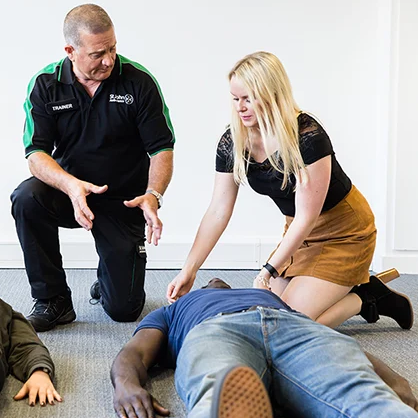
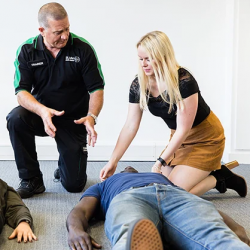 The health charity claims that, in the last fortnight, less than half (49 percent) of the 2,000 UK workers surveyed believed there was a designated first aider in their workplace.
 According to a
 There are no prizes to be won for saying that the modern workplace is already markedly different from those we have known in recent decades. As remote and flexible working practices have become more common, the role of the office has already begun to evolve – the pace of change has been greatly accelerated by the pandemic, which has resulted in a rethink among many organisations about their real estate needs.
 Three-quarters of tech leaders think Gen Z will solve the digital skills shortage (72 percent), with an even higher number (77 percent) believing these ‘digital-natives’ have the best ability of any generation. However, while half of Gen Z have a career in tech or firm plans to pursue one in the next five years (46 percent), they have low confidence in their digital abilities.
 Nearly two thirds (61 percent) of HR and people professionals strengthened their skills – through either upskilling or reskilling – as a result of their organisation’s response to the COVID-19 pandemic, the latest People Profession survey report from the

 According to new research from








November 19, 2021
Workplace data proves that the devil is in the detail for the new era of work
by Steve Morren • Comment, Flexible working, Technology, Workplace design