







April 25, 2017
Proactive approach needed to improve accessibility within the built environment 0
Inaccessible workplaces are too common problem that disabled people face in accessing buildings and public spaces, and the Government must lead a charge in improving access and inclusion in the built environment, according to a report by an influential cross party committee published today. The Women and Equalities Committee’s Disability and the Built Environment inquiry has been examining the extent to which those with accessibility issues are considered and accommodated in our built environment, and whether more could be done to increase the accessibility and inclusivity of both new and existing properties and spaces. The report recommends public procurement, fiscal initiatives and transparently modelling best practice, while bringing the full range of work on improving access and inclusion in the built environment into a coherent and transparent strategy, with the Department for Communities and Local Government held responsible for making this happen. The report found that many workplaces are inaccessible, there is very little choice of where to live and the public spaces through which people need to move can be prohibitively excluding; all of which constitute an unacceptable diminution of quality of life and equality.





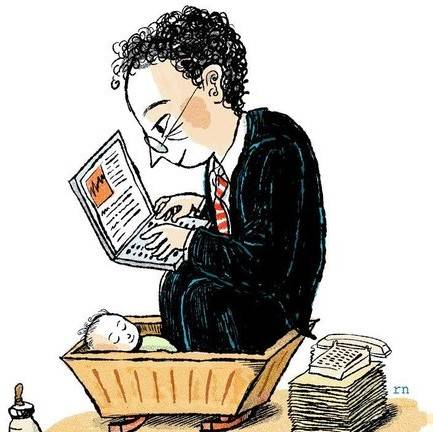
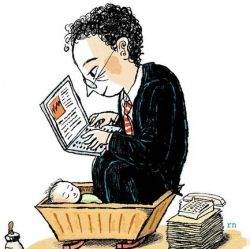 It is two years since the introduction of Shared Parental Leave (SPL), where couples were given the ability to share leave surrounding the arrival of a new addition to their family; and while sharing leave is seen to have a profound beneficial impact for the family, there are still plenty of barriers. According to


 UK employers are unprepared for gender pay gap reporting legislation, with more than a third (32 percent) failing to review salaries across genders to safeguard against pay discrimination. This is despite the fact that the Equality Act 2010 (Gender Pay Gap Information) Regulations 2017 come into force later this week (6th April) which will require UK companies with more than 250 staff to keep records of gender pay and bonuses. Totaljobs’ survey of 4,700 employees and 145 employers found that 82 percent of companies are not reviewing their gender equality/equal pay policy and 58 percent don’t have salary information available across roles and genders. Little more than half (53.1 percent) of employers feel “very confident” that salaries are equal across the genders. While employers will be required to keep salary records, the research showed men are currently more likely to receive a bonus than women and typically receive more. In the past year, 43 percent of men received a bonus of £2,059, on average, versus 38 percent of women, who, on average, received £1,128.










April 3, 2017
Brexit should be a chance for the UK to enshrine employment rights 0
by Chris Rowley • Comment, Legal news, Workplace
(more…)