To provide the best experiences, we use technologies like cookies to store and/or access device information. Consenting to these technologies will allow us to process data such as browsing behaviour or unique IDs on this site. Not consenting or withdrawing consent, may adversely affect certain features and functions.
The technical storage or access is strictly necessary for the legitimate purpose of enabling the use of a specific service explicitly requested by the subscriber or user, or for the sole purpose of carrying out the transmission of a communication over an electronic communications network.
The technical storage or access is necessary for the legitimate purpose of storing preferences that are not requested by the subscriber or user.
The technical storage or access that is used exclusively for statistical purposes.
The technical storage or access that is used exclusively for anonymous statistical purposes. Without a subpoena, voluntary compliance on the part of your Internet Service Provider, or additional records from a third party, information stored or retrieved for this purpose alone cannot usually be used to identify you.
The technical storage or access is required to create user profiles to send advertising, or to track the user on a website or across several websites for similar marketing purposes.








 A survey of UK employers and employees gives insight into the lack of provision for remote and hybrid workers to carry out their roles. While just over half (56 percent) of employers admit they regularly check in with all employees to enquire about their health and wellbeing and 55 percent provide laptops, 73 percent of employees are ready to choose their next employer based on physical, health and wellbeing support and flexible technology provision. (more…)




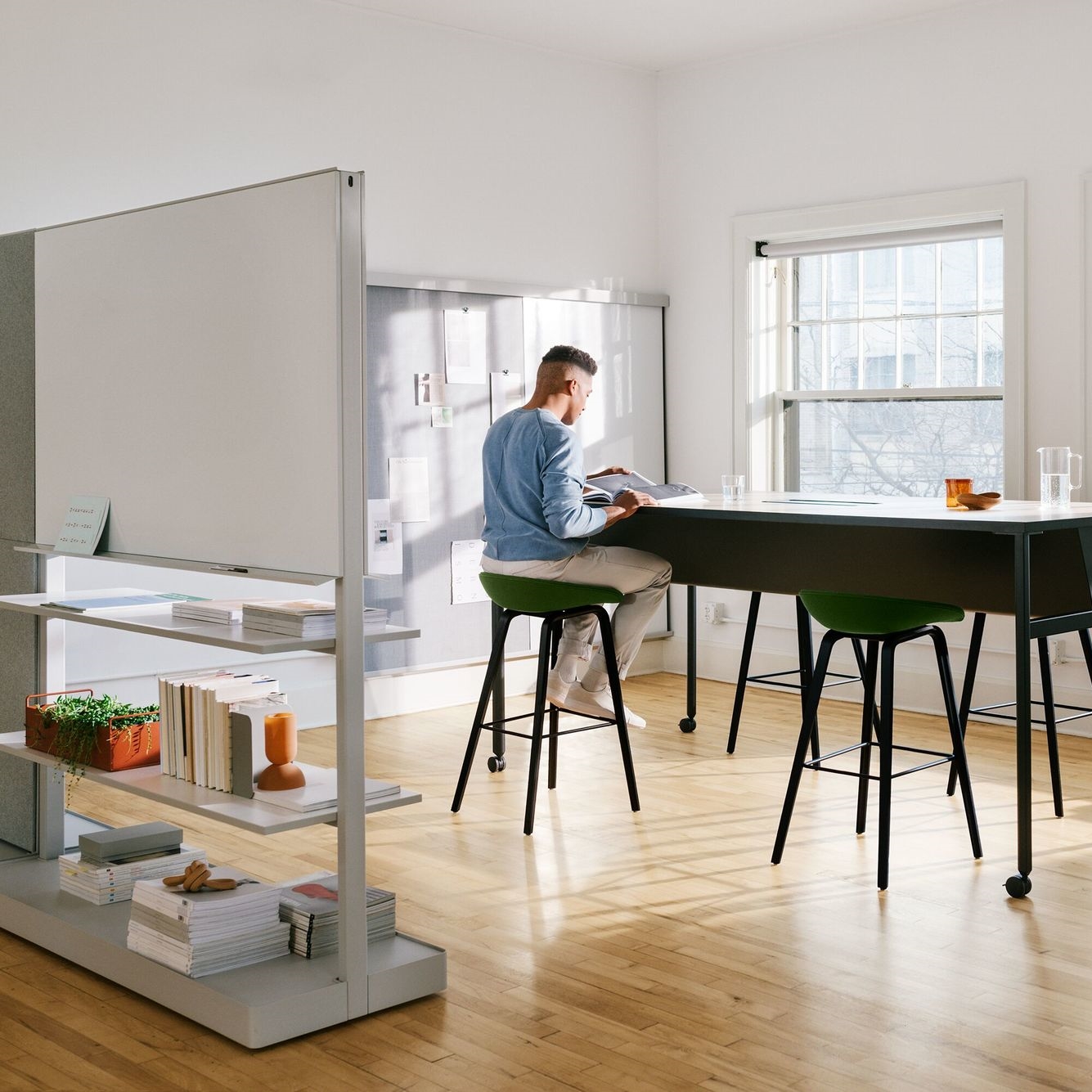
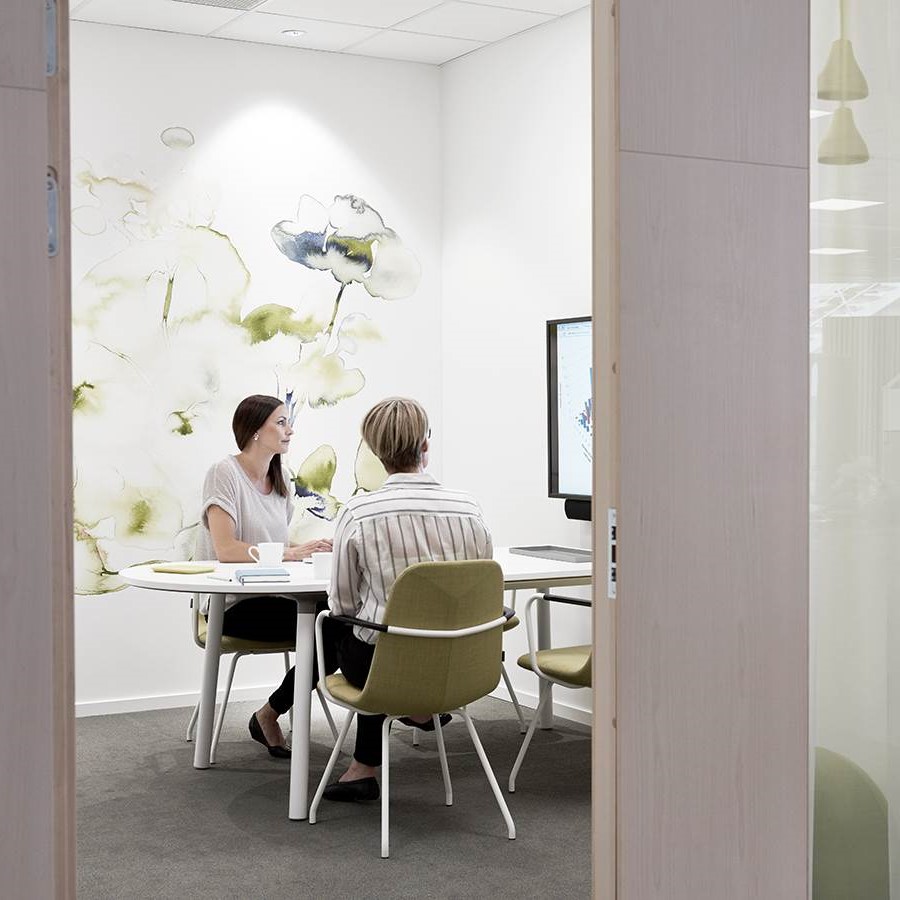


 The events of the last 18 months have given us a once in a generation opportunity to reinvent work. Our generation can create a discontinuity between the assumptions of the past and the opportunities of the future. To capitalise on these opportunities though we have to dispense with the assumptions we hold about work and the places where work takes place, including many of the assumptions we hold about hybrid working. We have to re-examine the purpose of the office and what form it might conceivably take in the future before we can decide if it has any place in our plans.
 Keeping on top of communication barriers in the business world can feel like an endless game of Whac-A-Mole, especially now in the new era of hybrid working. The usual culprits are well-known by now: patchy WiFi connections, crashing computer programmes, cloud syncing issues, important emails sneaking into spam folders – the list goes on. All can impede our ability to get the job done.









February 28, 2022
Hybrid working means we have to make the most of our time in the office
by Dr Omar Merlo • Comment, Flexible working