Search Results for: hybrid

95 percent of organisations have experienced issues implementing hybrid working

95 percent of organisations have experienced issues implementing hybrid working

hybrid workingA new poll from XpertHR claims that nearly all UK organisations (95 percent) have encountered challenges implementing hybrid working, with reluctance to return to the workplace the leading issue currently faced by employers. Of the 292 organisations XpertHR surveyed, almost all (95 percent) operate a hybrid model. For most (59 percent) organisations, staff generally spend between 2-3 days working from home each week, however, over a third (37 percent) of staff are unhappy with this split and would prefer to spend even less time in the office. (more…)


Hybrid working can help graduates succeed

Hybrid working can help graduates succeed

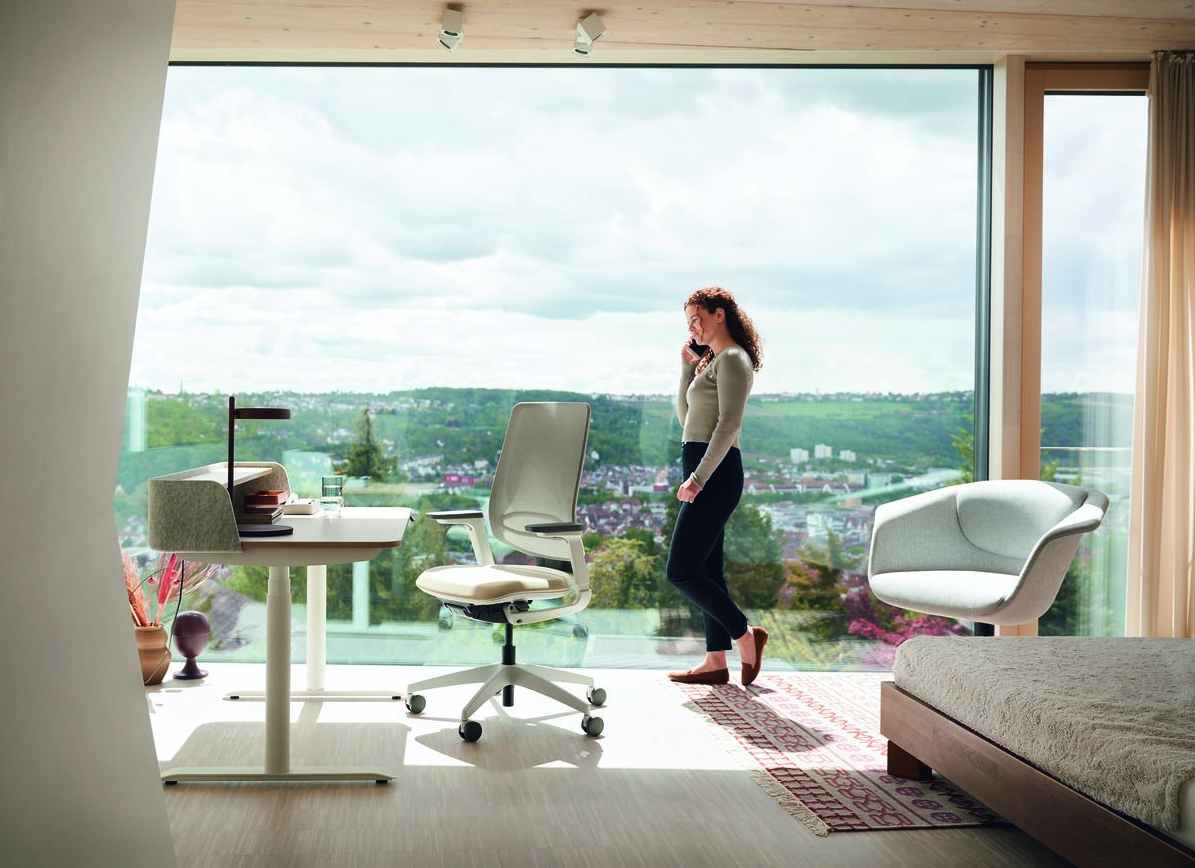
hybrid workingThe pandemic has transformed how we think about and approach the workplace, with the majority of employees having alternated between remote and hybrid working over the last two years. While this experience has been almost universal, many have found this transition challenging – even for the established professionals used to adapting to change. But what does this mean for those about to enter the workplace for the first time? (more…)

Hybrid working now part of life at majority of organisations, but will it last?

Hybrid working now part of life at majority of organisations, but will it last?

hybrid workingA new poll from the CIPD suggests that more than three-quarters of organisations have  now embraced hybrid working through a mix of formal and informal arrangements. However, employers are split over whether the move to new ways of working will last or if organisations will go back to pre-pandemic ways of working. In response, the CIPD is urging employers to seize the moment to develop and embed new ways of working that will ultimately benefit organisations and their people. (more…)

Loneliness might hold back hybrid working productivity gains

Loneliness might hold back hybrid working productivity gains

lonelinessLoneliness is defined as the difficult emotion we experience when our need for meaningful social contact and relationships is not met, and it’s something we’ve all had experience of. Nearly half of the UK population have reported feeling lonely at times, with other research showing that 39 percent say their wellbeing was negatively impacted because they were lonely too. Why people feel lonely can be attributed to many reasons. Humans have a deep need for attention, warmth, and attachment to others. When such relationships end, or if someone finds themselves in an abusive or emotionally non-existent relationship, this can lead to elevated levels of loneliness. (more…)

Is hybrid working the final cure for workplace woes or the beginning of something better?

Is hybrid working the final cure for workplace woes or the beginning of something better?

hybrid workingThis year’s World Workplace Europe saw 2022 hailed as the year of the worker. A worthwhile focus considering negative emotions are on the rise, with more depression, anxiety and loneliness plaguing society despite the claimed benefits of hybrid working. The pandemic robbed us of many things. It restricted our freedom for two years and forced us to live, love and work in a way that felt a little less human. But at least there was a sense of unity, working together for the common good, a mask-muffled cry of “all for one and one for all” as people considered how their actions would and could impact others. (more…)

Offices remain key to hybrid working strategy, claims report

Offices remain key to hybrid working strategy, claims report

officesHybrid work adoption is growing and becoming a permanent element of the future of work, according to the new Workforce Preferences Barometer report [registration] from real estate firm JLL. However, the report’s authors also conclude that, as employee expectations and reality reach an equilibrium, the continuing use of offices remains pivotal to work routines. (more…)

Firms rethink office portfolios to accommodate hybrid working

Firms rethink office portfolios to accommodate hybrid working

hybrid workingA significant majority of businesses, (68 percent) expect to be promoting a more regular return to the office by the middle of this year, according to the latest EMEA Occupier Sentiment Survey from real estate advisor CBRE. Nearly a quarter of those surveyed (23 percent) said the process is already underway, with 45 percent focussing on the remainder of H1 as the return period. However, nearly three quarters are doing so as part of a shift to hybrid working. (more…)

Flexible working is the new hybrid working, apparently

Flexible working is the new hybrid working, apparently

flexible workingFlexible working is the new hybrid working as a third of European workers would decline a job if flexible hours were not offered. That is the key claim of a new report from Owl Labs, a collaborative technology company. The annual State of Hybrid Work study polled 10,000 full-time employees across UK, Germany, France, Netherlands and Scandinavia – which suggests that flexibility is key to retaining top talent in 2022 and beyond. Over a third (37 percent) of European employees are prepared to decline a job if flexible hours are not offered and just over two thirds (69 percent) would accept a pay cut to have flexible hours. (more…)

From commuting to computers, finding balance in the hybrid workplace

From commuting to computers, finding balance in the hybrid workplace

hybrid workplaceA recent survey from AT&T and Dubber found that 81 percent of respondents believe hybrid work will be the foremost working model by 2024, with 56 percent of work done off site. A striking 100 percent of respondents believe a hybrid work model will help attract young talent. While there are numerous benefits to being able to work from home, as the pandemic continues on, time has brought some of the challenges of remote work to light, serving as a reminder that balance is key to a hybrid work environment. Pre-pandemic, it seemed rare for companies to implement proactive solutions for workplace burnout. Businesses are now presented with the unique opportunity to find balance between in-person and remote work, and create workplaces that thrive within the hybrid workplace model. (more…)

Job dissatisfaction is rife among senior executives – and hybrid working doesn’t help

Job dissatisfaction is rife among senior executives – and hybrid working doesn’t help

job dissatisfactionWidespread job dissatisfaction means a large proportion of senior executives from top US companies plan to leave their organisations in the next two years, according to a new report from KellyOCG. According to the 2022 KellyOCG Global Workforce Report – Re:work – there’s a significant disconnect between employees’ expectations and the support employers provide. Through a survey of C-suite leaders, board members, department heads, directors, and managers in 12 countries, including the United States and Canada, the report claims that 78 percent of US executives and 52 percent of Canadian executives, compared to 72 percent of leaders globally, aim to leave their jobs by 2024. (more…)

Hybrid working and how we escape the constraints of leadership

Hybrid working and how we escape the constraints of leadership

hybrid working danceJennifer was at the ballet the other day, watching Acosta Danza, and there was a dance with ropes.  In the movement of the relationship of the dancers, the mood, the emotion were all defined using the rope.  It was very beautiful.  Then towards the end the ropes were taken away and everything changed – the performers were liberated, unconstrained.  At first like a frenzy, but then the dancers started to gel together letting go of the need for the rope.  And this got her thinking about the role of constraint in leading change, especially in the new era of hybrid working. (more…)

Research casts doubt on environmental benefits of hybrid working

Research casts doubt on environmental benefits of hybrid working

commuters and hybrid workingA permanent post-pandemic switch to hybrid working may do little to reduce carbon emissions as the majority of remote workers travel further each week than their office-based counterparts, new research from the University of Sussex Business School reveals. The newly published study finds that, prior to the pandemic, most remote workers in England travelled further each week than office-based workers – despite taking fewer trips. This was partly because remote workers tended to live further from their workplace than non-teleworkers, so had longer, if less frequent, commutes. In addition, remote workers engaged in more travel on the days when they worked from home – for example, by making extra trips to shops and cafes. (more…)