







September 21, 2016
Innovative and ambitious disabled employees still face discrimination 0
 Disabled employees outperform all other groups in terms of innovation and professional ambition, according to new data from the Chartered Institute of Personnel Development (CIPD) in its paper, Attitudes to Employability and Talent. The report, which explores attitudes towards employability and responsibilities for career development in the UK, includes the attributes associated with employment and career success. Individuals with disabilities ranked more highly than any other group in the categories of ‘Brings new and innovative ideas’ and ‘A great desire to develop’. The group also scored particularly highly in the categories of ‘Fits with organisational values’, ‘Good work ethic’, ‘Reliable’, and ‘Positive attitude to work’. However, when quizzed on current approaches to recruiting from diverse workforce groups, only 11 percent of respondents said they actively target individuals with disabilities during recruitment. This is despite the fact that over half (51 percent) currently employ professionals with physical and mental health conditions. (more…)



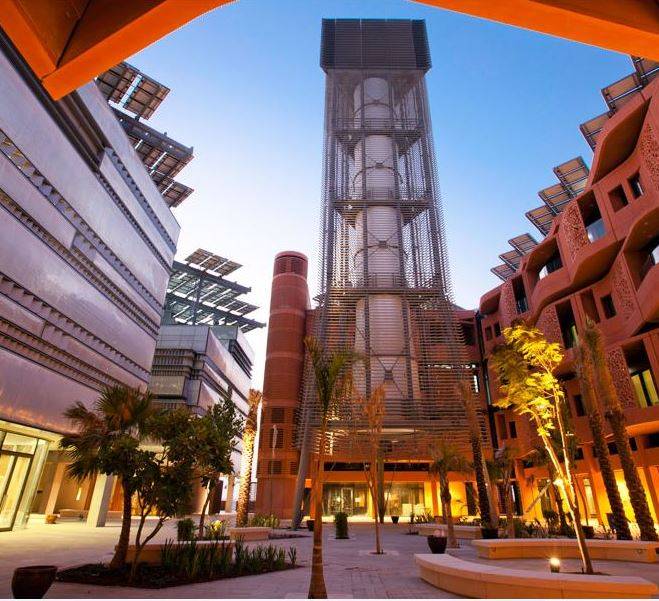
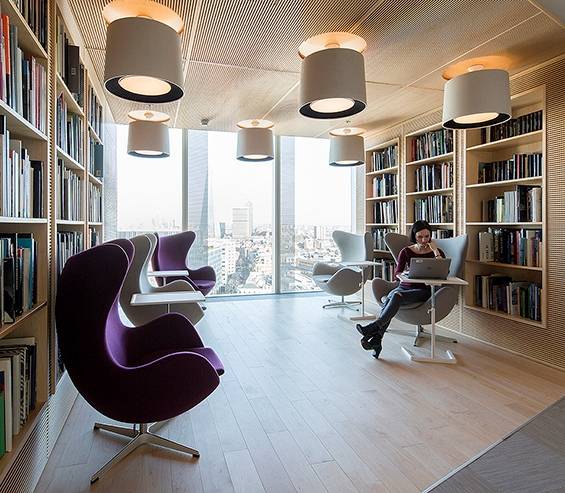




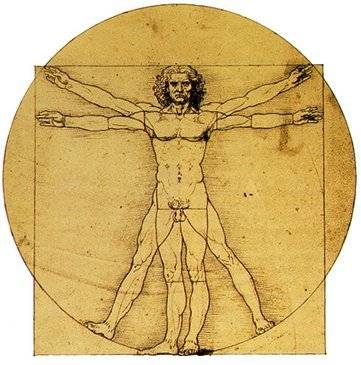
 Some may think this is a daft question. They’ll argue that of course people matter when we design workplaces. Granted, there are those for whom the human experience of the built environment is really important. They demonstrate this it in their attitudes and actions. However, based on some of the attitudes and actions I have observed over the years, I would suggest that the belief that people really matter when some designers design workplaces for them is quite frankly all too often skin deep. How do we know this? And if we accept that it is true, it then begs the secondary question of why this should be the case. Is it entirely our fault? What might we do to address the issues? In part, we know that people haven’t really mattered enough in design because of mistakes of the past. Meanwhile, society is facing many pressing challenges, ranging from health to housing, work to economy and climate change to resource depletion.








August 31, 2016
Addressing the five negative influences on organisational culture 0
by Matias Rodsevich • Comment, Flexible working, Knowledge, Workplace
(more…)