





May 27, 2021
Search Results for: office


May 26, 2021
Time to take stock about the future of the workplace
 When it comes to conversations about work and workplaces, the past year has offered a fully immersive experience. Everybody now has an opinion. Inevitably some of them are better informed and more rooted in experience than others. So, after a full year of talk and as we return to some form of routine working life, the time has come to take stock. Few organisations and people will remain untouched by the sudden shift in attitudes towards working life, so we asked four workplace experts for their views on the current state of play. (more…)


May 24, 2021
Jooxter launches new Essential Collaboration Pack to help people plan where they work
 Jooxter has announced the expansion of its operations into the UK and Ireland. Jooxter is a leading provider of smart workplace solutions designed to help businesses manage their digital workplace strategy by optimising building occupancy, managing workspaces and enabling collaboration. Founded in France in 2014 by CEO Fabien Girerd, Jooxter offers web and mobile applications combined with QR codes and IoT networks to provide real-time visualisation of a building’s occupancy and analytics. This gives companies a smart way of managing and optimising the use of the office space they have. (more…)
May 20, 2021
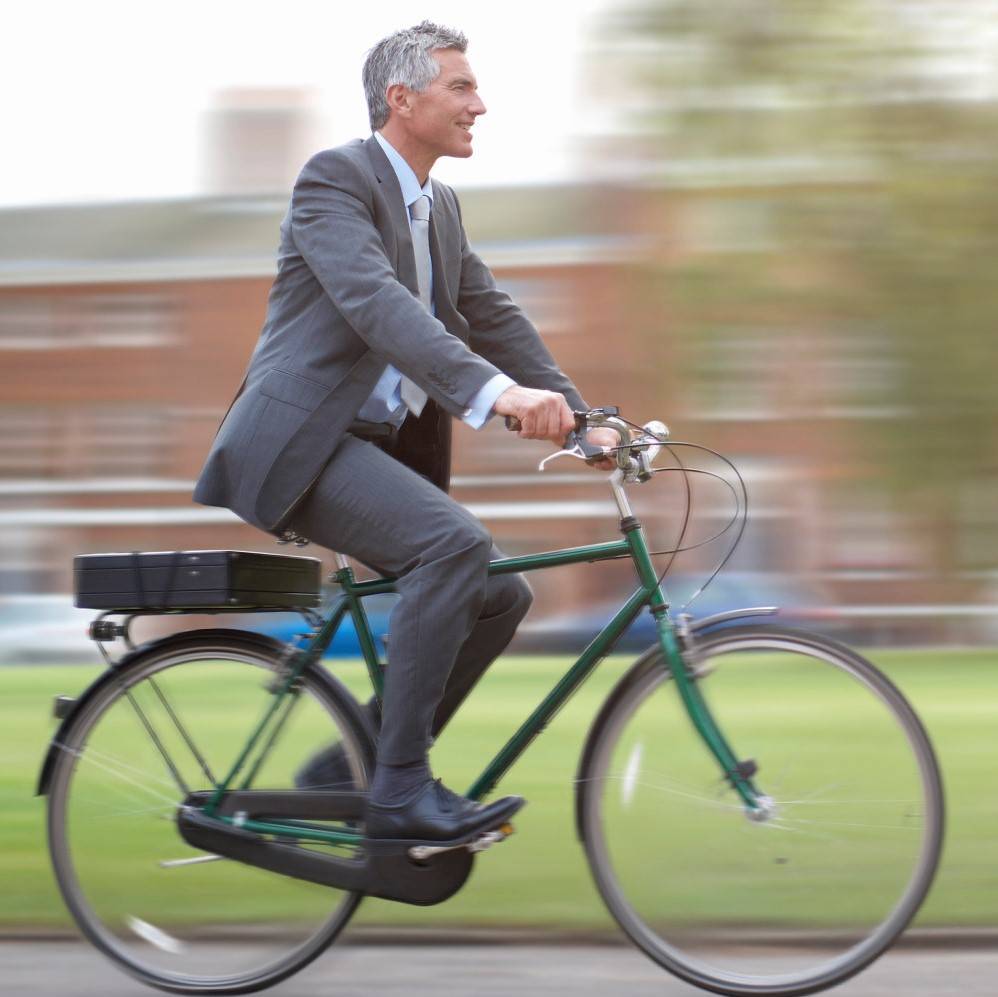
The pandemic will transform the way we commute
 Organisations and businesses have a lot to contend with as they begin to reopen their offices. From social distancing, working from home policies, office layouts, hand gel stations and more. But there also remains one key issue when it comes to welcoming employees back to the office. And that’s how they will get to work in the first place. That’s because the daily commute is going to look a lot different than it did pre-COVID. Firstly, while many employers and workers see the benefit of meeting in person, the hybrid world we now live in will see workers commuting to the office far less frequently. And, if they do travel to the office, there is an element of hesitancy about how they will get there; a recent study revealed 60 percent that ‘post pandemic’ commuting say hybrid working has reduced stress from not having to commute daily. (more…)
May 20, 2021
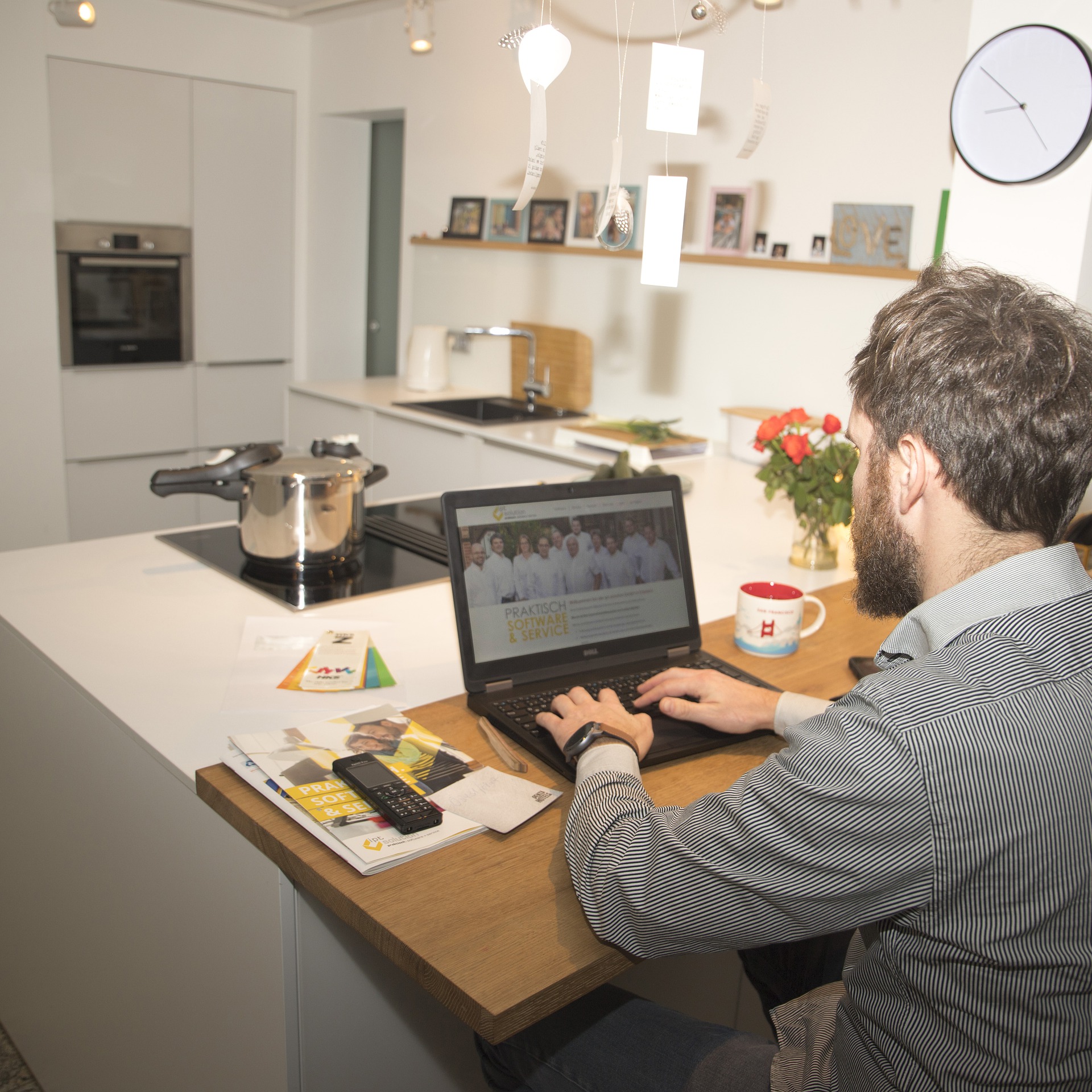
Majority of employers looking to shift to flexible work arrangements
 The COVID-19 pandemic has accelerated the transition away from traditional workforce models, and 56 percent of companies are expecting to shift more of their roles to contingent, project or contract work as a result, according to a new report by Randstad Sourceright. (more…)
May 18, 2021
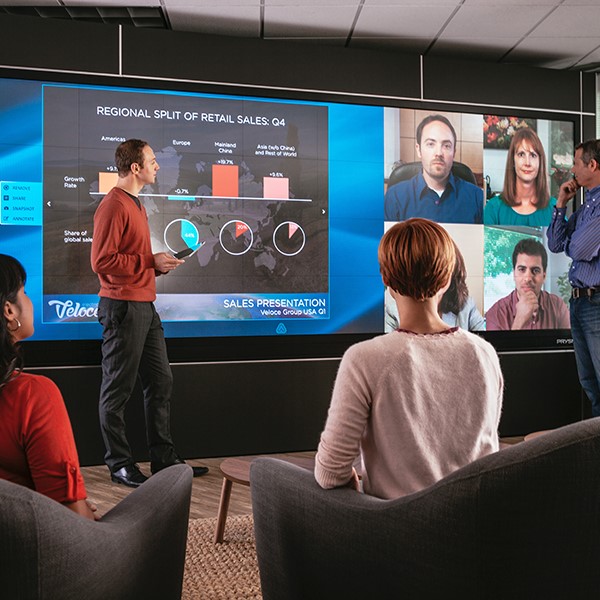
DV Signage teams up with Scale Space to launch high-end collaboration workspace for hybrid working
 The workspace innovator DV Signage has partnered with Scale Space, the UK’s community for scale-ups, to offer an exciting new Collaboration-as-a-Service workspace to be branded Interaction.Works. The Interaction.Works concept responds directly to the emerging hybrid working trend as companies begin shaping the Future of Work as the UK emerges from lockdown. (more…)

 Tens of thousands of restaurant, hotel, event and leisure jobs are available as England moves to the next step on the roadmap out of lockdown on Monday 17th May, but jobseeker shortages are making these jobs hard to fill, according to new research from global job search engine
May 14, 2021
We need to acknowledge our bias if we want to see the world for what it is
 We’re all biased. We all recognise the sharp bump of our critical thinking skills kicking into life when confronted with ideas and information that go against our beliefs. We know how they doze in the comforting embrace of affirming data. So, it’s been entertaining this week to observe the reaction to the large-scale academic study of 10,000 IT workers which found that they had worked 30 percent longer hours while working from home, a fifth of it outside their normal times of work, without actually doing any more work. In essence their productivity had fallen by 20 percent in spite of their increased hours. (more…)

May 13, 2021
The pivotal role of remote working in the journey to jab the nation
 At 6.31 a.m. on Tuesday, December 8, 2020, the UK became the first country in the world to administer the COVID-19 vaccine. Just over five months earlier, I had been deployed to the NHS England and NHS Improvement COVID-19 vaccination programme to help drive the highly complex design and planning needed to bring the nation to this point. My role involved leading the set up and embedding of the Estates, Equipment, Consumables and Logistics workstream. The purpose of this was to establish and combine the new and existing infrastructure required in England to manage the distribution, regulation and administration of multiple vaccines so that all systems would be ready to vaccinate on the ‘go-live’ date. (more…)

May 13, 2021
People working from home might now be subject to a visit from the Pensions Regulator
 The Pensions Regulator might now have the power under current UK pensions legislation, to enter the private homes of employees when it is investigating their employer, if those employees are working from home. The current law has been in force since 2005 and it allows the Regulator to enter some premises at any reasonable time. This power is restricted to use only in relation to some limited statutory investigations. However, though currently limited, these regulatory powers will soon be widened and extended by the Pensions Schemes Act 2021 which is due to come into force in Autumn 2021.









May 25, 2021
The power of nudge: How behavioural science and AI can improve workplace wellbeing
by Richard Gregory • Comment, Technology