







October 29, 2018
This design and fit-out firm would like to give its time to a charity
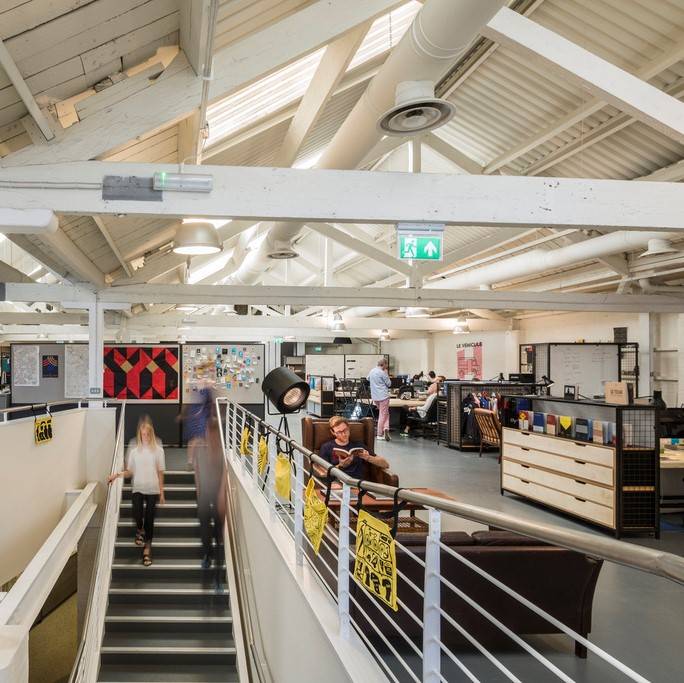 Burtt-Jones & Brewer is giving away its time for free as part of its tenth birthday celebrations. Formed ten years ago over a cup of coffee between Steve Brewer and Adam Burtt-Jones, the workplace designers are celebrating by giving away ten thousand pounds’ worth of its workplace consultancy time to a single charity. So, instead of putting a birthday present list – they are sharing their experiences from a decade of design, development and delivery – from Moorgate to Milan, banks to brand agencies, lawyers to lottery operators, insurers to investors, the Bank of England to The Treasury.
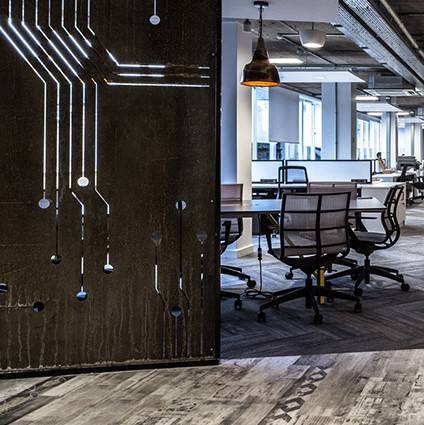


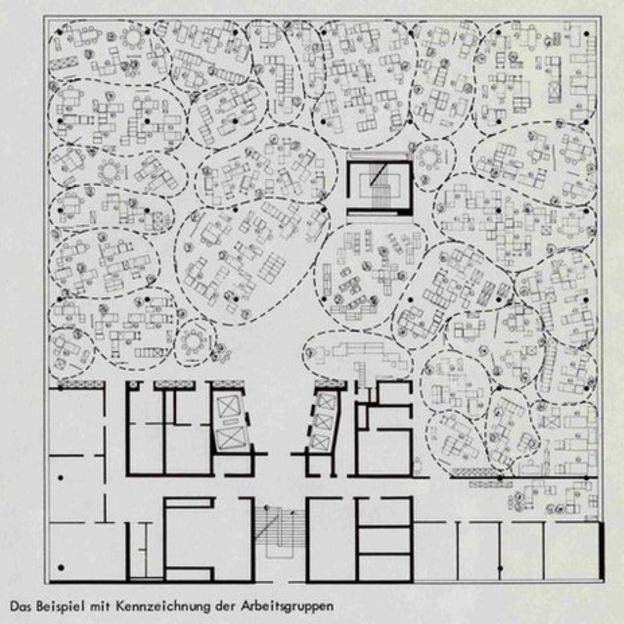


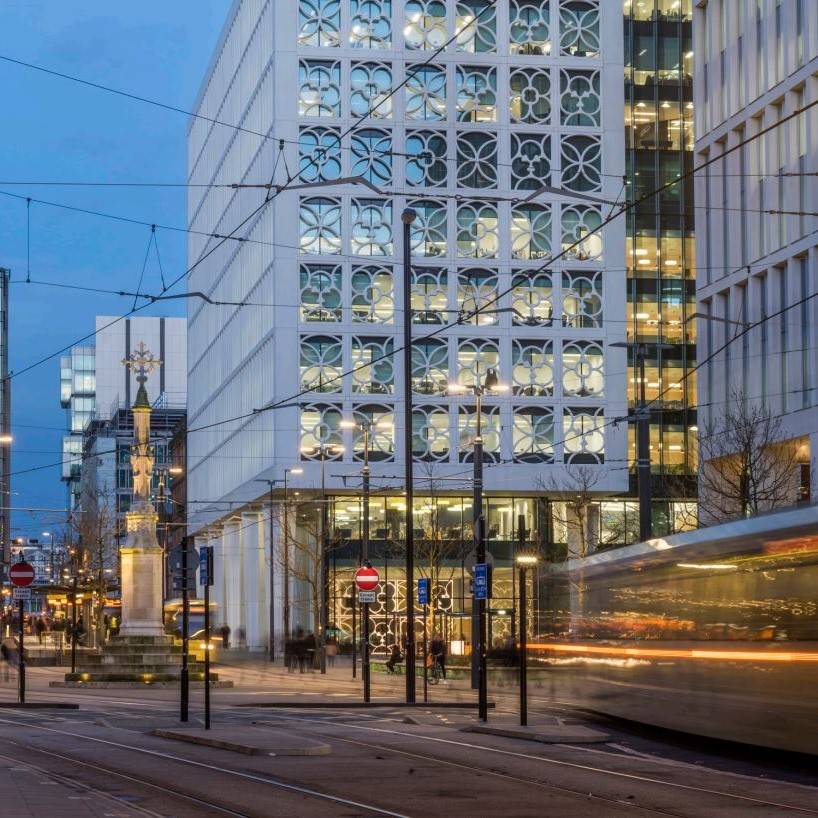
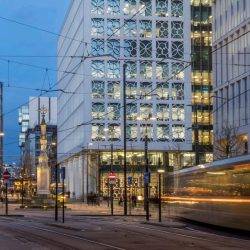 The new northern home of the BBC is giving London a run for its money when it comes to siting offices for the UK’s top tech talent, with Manchester leading the way, according to
 Work/life balance, and the ability to take more annual leave, is the top priority for most European workers and 52 percent explicitly see this as an incentive for choosing certain benefits claims research from SD Worx. Employees in France (63 percent) prioritise this the most across the Europe, next is the UK, whilst workers in Austria (36 percent) and the Netherlands (32 percent) are least likely to opt for additional annual leave. Flexible working also plays a significant role in the benefits employees would choose, with home working allowances being a key factor for 21 percent of respondents and 21 percent wanting a laptop or smartphone included in their benefits package.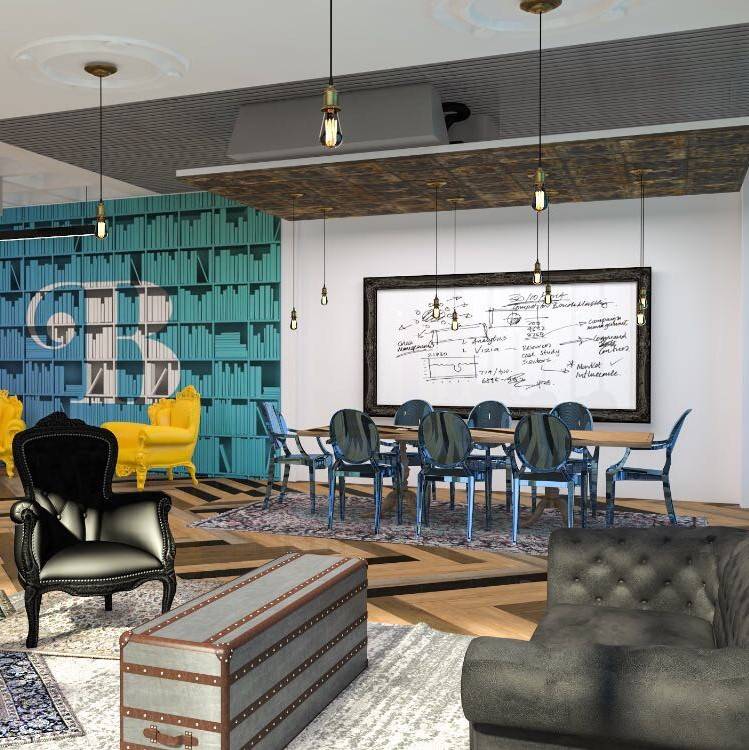










October 26, 2018
We need to move on from the stigma of mental health to finding solutions
by Gary Helm • Comment, Wellbeing
(more…)