Search Results for: office

Barbican Centre launches search for furniture designer as part of £231m renewal

Barbican Centre launches search for furniture designer as part of £231m renewal

The Barbican Centre has launched an international search for a designer or design team to develop a new furniture strategy for its public spacesThe Barbican Centre has launched an international search for a designer or design team to develop a new furniture strategy for its public spaces as part of its £231 million renewal programme. The commission will involve creating a bespoke range of up to 500 pieces for the Grade II-listed arts centre, alongside identifying opportunities to reuse existing furniture and introduce suitable off-the-shelf products. The appointment is expected to run from 2026 to 2029.

The competition is open to designers and teams based anywhere in the world, with proposals due by 28 August. A shortlist is expected to proceed to a full tender process in September, with an appointment planned for November. The new furniture will be used throughout the Barbican’s public spaces and could include armchairs, sofas, coffee tables, bar stools, communal benches with parasols and stackable chairs for larger events. Accessibility, flexibility and sustainability will be central to the brief.

The work will cover areas including the Lakeside, Sculpture Court and Learning Spaces, as well as redesigned foyers being developed by Allies and Morrison and Asif Khan Studio.

The Barbican said recent audience feedback, inclusive design work and co-design with visitors had highlighted a need for furniture that was more welcoming, cohesive, accessible and adaptable to the range of activities taking place across the centre.

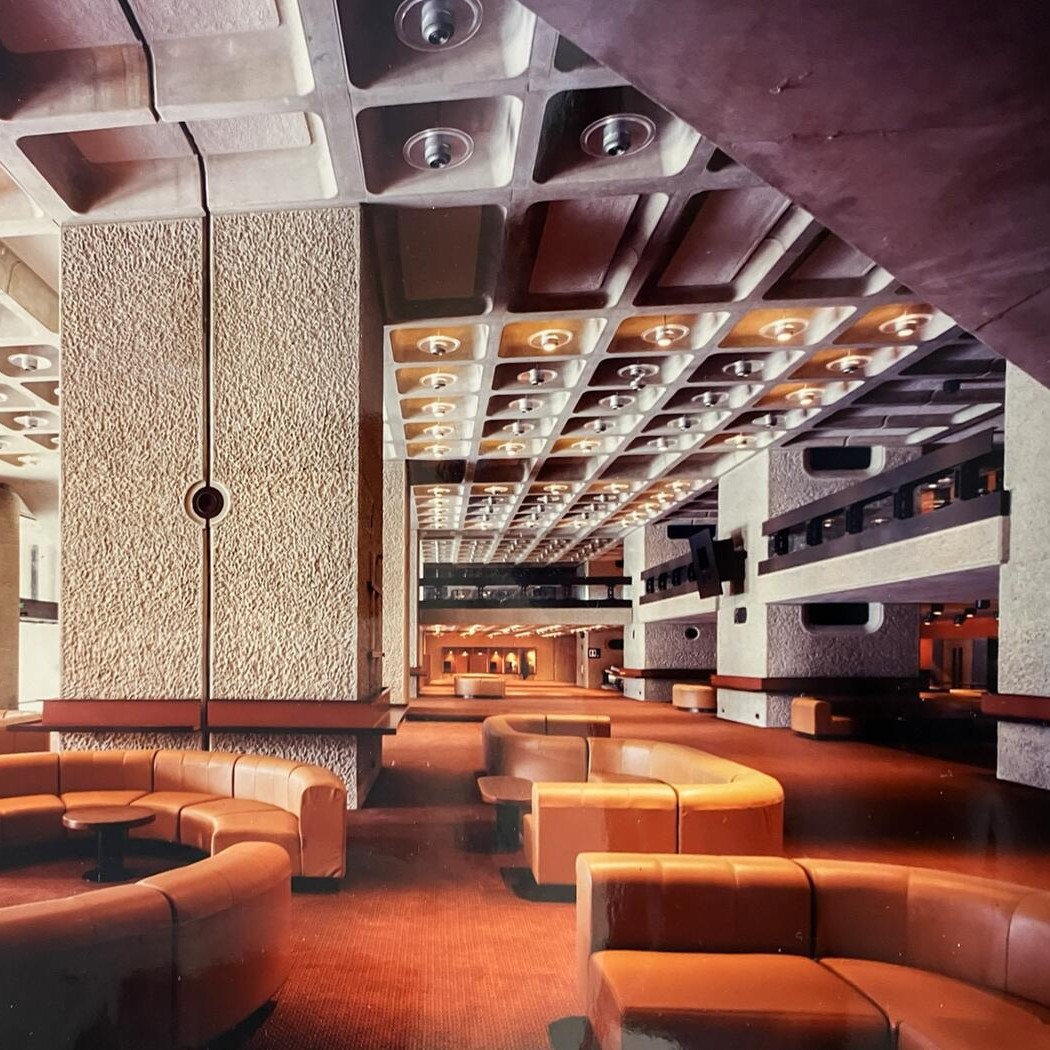
Furniture has played a significant role in the Barbican’s identity since it opened in 1982. Designer Robin Day produced bespoke seating, sofas, chairs and tables specifically for the building, although much of the original furniture has since been replaced.

Philippa Simpson, chief operating officer at the Barbican Centre, said furniture had always helped shape how people experienced the building. “We’re looking for a designer or design team to create objects of quality and comfort, that respond to the Barbican’s extraordinary architecture and artistic purpose,” she said. “We want these new designs to accommodate the remarkable range of activities that take place in our spaces, ensuring every single visitor knows they are welcome.”

Alex Watt, architect at Asif Khan Studio, said the commission offered an opportunity to extend the design thinking being applied to the centre’s foyers, while retaining the character of the original architecture.

The furniture project forms part of the wider Barbican Renewal programme, which is intended to conserve and upgrade the building ahead of its 50th anniversary while improving its accessibility, sustainability and suitability for future use. The centre receives more than 30,000 visitors on an average day.

Image: The Barbican Archive

The ERP innovations worth paying attention to right now

The ERP innovations worth paying attention to right now

The businesses treating ERP selection purely as a procurement decision are missing most of the story.Ask a finance director what their ERP system does and most will describe what it used to do: hold the ledger, run payroll, generate the month-end report nobody reads until something in it is wrong. That description is going stale fast. The systems running underneath most mid-sized and large businesses are changing shape, and the change matters well beyond the finance department. It touches headcount planning, office layout, training pipelines, and how quickly a business can respond when the market shifts under it. (more…)

A beacon of hope in an uncertain world. Works magazine 20 digital edition is here for you

A beacon of hope in an uncertain world. Works magazine 20 digital edition is here for you

The digital edition of issue 20 of Works magazine is now available for you to read here.  The new issue explores a workplace sector that is becoming increasingly confident about its future, even as it navigates rapid technological, social and economic change. The latest edition brings together major workplace projects, design debates and industry commentary that point to a common theme: the enduring value of connection, community and shared experience in an age of uncertainty. (more…)

Inconsistent recycling bin colours are creating compliance challenges for UK workplaces

Inconsistent recycling bin colours are creating compliance challenges for UK workplaces

A lack of consistency in recycling bin colours across UK local authorities is creating unnecessary complexity for organisations attempting to comply with England’s Simpler Recycling regulations, according to new research based on Freedom of Information requests. Analysis by commercial waste services provider Direct365 found at least 80 different combinations of bin colours are currently in use across 190 local authorities, raising concerns that the absence of a national colour-coding system is undermining efforts to improve recycling performance. (more…)

Are we designing workplaces around evidence or assumption?

Are we designing workplaces around evidence or assumption?

People no longer use workplaces in the same way every day, every week or every season, yet many of the decisions shaping the future of our workplaces still assume that they do.A sudden, intense summer heatwave does more than test a building’s cooling systems; it exposes just how difficult workplace management has become across Europe. During these spikes, employees rethink their commute, meeting rooms fill and empty at different times, quieter corners suddenly become more attractive places to work, and facilities teams work hard to keep buildings comfortable while managing rising energy demands. While these changes may only last a few days, they serve as a useful reminder that workplaces are far more dynamic than we often give them credit for. People no longer use offices in the same way every day, every week or every season, yet many of the decisions shaping the future of our workplaces still assume that they do. (more…)

Stirling Prize shortlist shines spotlight on mixed-use regeneration and workplace design

Stirling Prize shortlist shines spotlight on mixed-use regeneration and workplace design

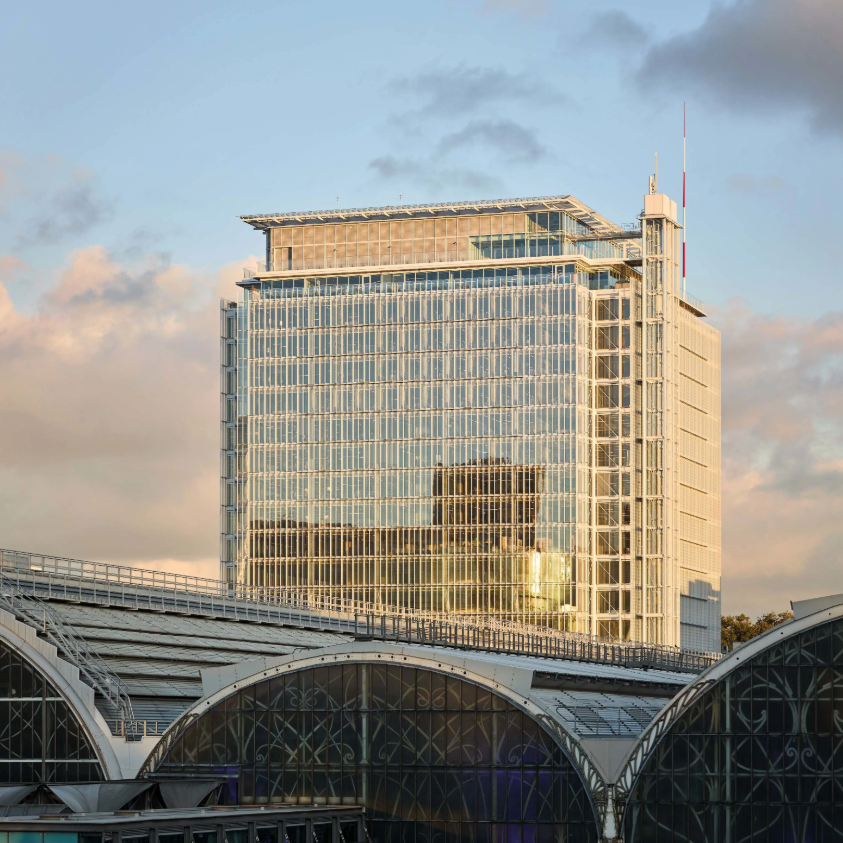
The transformation of one of London's busiest transport hubs and a major mixed-use commercial development has secured a place on the shortlist for the 2026 RIBA Stirling PrizeThe transformation of one of London’s busiest transport hubs and a major mixed-use commercial development has secured a place on the shortlist for the 2026 RIBA Stirling Prize, highlighting the growing prominence of workplace-led regeneration among the UK’s most celebrated new buildings. Renzo Piano Building Workshop’s Paddington Square is one of six projects shortlisted for British architecture’s most prestigious award. The development combines offices, retail, public space and improved connections to Paddington Station, reflecting the continued importance of mixed-use schemes in reshaping city centres. (more…)

Business leaders expect AI to expand rather than shrink workforces, JLL report claims

Business leaders expect AI to expand rather than shrink workforces, JLL report claims

Most senior business leaders expect artificial intelligence to lead to workforce growth and job redesign rather than widespread redundancies, according to new global research from commercial real estate firm JLLMost senior business leaders expect artificial intelligence to lead to workforce growth and job redesign rather than widespread redundancies, according to new global research from commercial real estate firm JLL. The company’s 2026 Future of Work Survey, based on responses from more than 2,200 C-suite executives and corporate real estate leaders across 21 countries, found that 60 percent of respondents expect their organisations to increase headcount over the coming years, while the same proportion believe AI will reinvent existing roles rather than replace them. The findings challenge what JLL says are widespread concerns about AI-driven job losses, although the report acknowledges that some roles are still expected to disappear as organisations adopt the technology. (more…)

Inter-generational collaboration linked to stronger organisational performance, report claims

Inter-generational collaboration linked to stronger organisational performance, report claims

Organisations that encourage stronger inter-generational collaboration between different groups of employees are more likely to see improvements in innovation, trust and business performanceOrganisations that encourage stronger inter-generational collaboration between different groups of employees are more likely to see improvements in innovation, trust and business performance, according to new research from employee recognition firm O.C. Tanner. The company’s first State of Generations at Work Report, based on responses from more than 5,700 employees across 17 countries, argues that employers should move beyond generational stereotypes and instead focus on creating what it describes as “generational synergy” across their workforces. (more…)

The workplace canteen isn’t too expensive. The way you run it is.

The workplace canteen isn’t too expensive. The way you run it is.

Most facilities teams have quietly reached the same conclusion: a staffed workplace canteen costs too much to justify, so it's a snack machine or nothing. They're half right. The canteen isn't the problem — the model is. And the model has changed.Most facilities teams have quietly reached the same conclusion: a staffed workplace canteen costs too much to justify, so it’s a snack machine or nothing. They’re half right. The canteen isn’t the problem — the model is. And the model has changed. Ask a facilities manager what their canteen actually costs, and you’ll rarely get a clean figure. The invoice is deliberately fragmented — food, labour, a contract caterer’s management fee, site costs — and the biggest line, labour, is the one under most pressure. (more…)

What frictionless work is removing from the working day

What frictionless work is removing from the working day

If you look around most offices at midday on a Tuesday, you will likely see a variation of the same scene: employees sitting at their desks with headphones in and responding to Slack messages while eating lunch. The physical environment of the workplace may still be thoughtfully designed, with ergonomic furniture, curated lighting and acoustic panels; however, the atmosphere often still feels flat. Creating a highly optimised, frictionless workplace means removing physical hurdles and operational delays, but it can also strip away the small moments of variation, spontaneity and connection that give working life its texture. Often, the result of frictionless work is an environment that feels psychologically monotonous and socially thin. (more…)

Smart Building in action: Simac HQ integrates lighting, data and control

Smart Building in action: Simac HQ integrates lighting, data and control

TRILUX has delivered a connected lighting solution for the new Simac headquarters in Veldhoven, supporting the company’s ambition to create a smart, flexible and future-ready workplaceTRILUX has delivered a connected lighting solution for the new Simac headquarters in Veldhoven, supporting the company’s ambition to create a smart, flexible and future-ready workplace. Developed in collaboration with installer Kuijpers, the project transforms the former TechniekHuys into a modern office environment where lighting, data and building systems work together as part of a fully integrated smart ecosystem. Rather than constructing a new building, Simac opted to redevelop the existing TechniekHuys, creating a sustainable workplace that reflects its own technological expertise. The headquarters now acts as a live demonstration environment, incorporating a fully wireless smart building management system. (more…)

Remote work linked to mental health concerns in major US study

Remote work linked to mental health concerns in major US study

A major new study has suggested that the rapid growth of remote work since the pandemic has played a significant role in rising levels of social isolation and poor mental health among workersA major new study has suggested that the rapid growth of remote work since the pandemic has played a significant role in rising levels of social isolation and poor mental health among workers, although researchers stress that the findings relate primarily to fully remote work rather than hybrid arrangements. The research, published in the journal Science, analysed data from five nationally representative surveys covering almost 590,000 US workers between 2011 and 2024. According to the authors, the expansion of remote work may account for around one third of the increase in mental distress recorded over that period. (more…)