








September 26, 2018
Sociable Gen Z prefer to work in a communal workplace rather than home
 Generation Z, the latest generation of workers to enter the workplace (aged 18-24) are social creatures a new report suggests, preferring to work in an office environment, with only 8 percent thinking they work best from home compared to 20 percent nationally. However, putting aside the assumption this is because they’re sharing a cramped flat or living with parents, even within the office environment, the vast majority (81 percent) think social and communal areas are important workplace facilities compared with only 64 percent of all employees and 58 percent of Baby Boomers. (more…)





 Local authorities, which are on the front line of implementation when it comes to smart, place-based digital initiatives could be helped to deliver positive, sustainable citizen outcomes for their locality with the formation of a Digital Board – a new report claims. Launched at techUK’s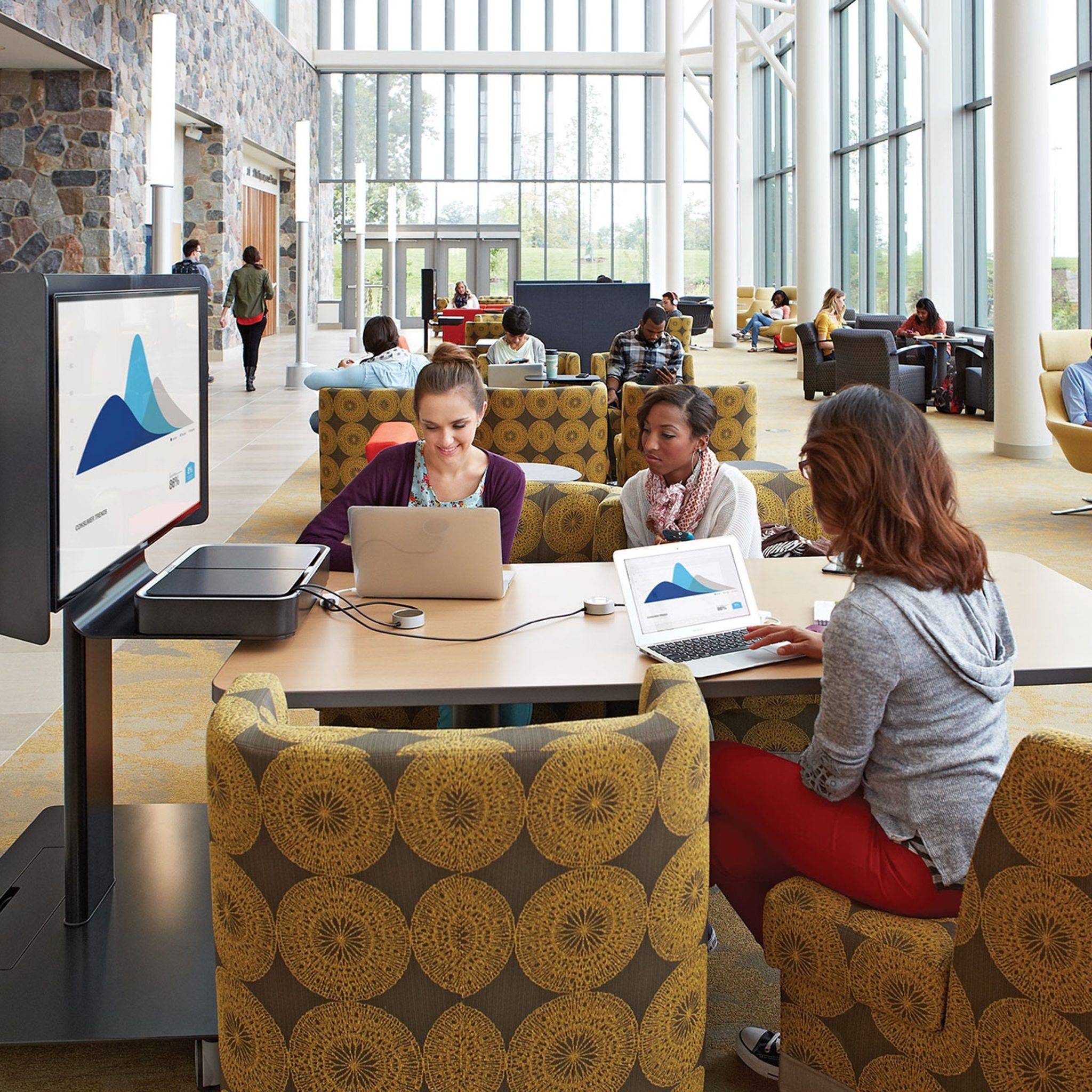

 Recent ONS figures showing a rising employment rate could be inflated by the growth of zero-hour contracts within the gig economy, as the number of UK workers on zero hour contracts having more than tripled since 2012. This is propping up overall employment levels by accounting for almost a quarter of overall employment growth, new data by Adzuna has suggested. With the employment rate currently at a record high of 75.7 percent according to the ONS, Adzuna’s data compares recent growth in the number of people in work overall to the increasing number of zero hour contracts, to ascertain how much these contracts have contributed to the growth.


 The quality of the coffee is the most important feature for office occupants, with two thirds of workers saying a decent flat white or cappuccino is an essential for a productive and engaged workforce. Research by coworking developer Areaworks also found that being closer to the outdoors, and the ability to work from a balcony or roof terrace was an important factor for 64 percent. Hanging chairs, bean bags and flexible spaces are a must for most, as half of office workers want to ditch fixed desks in favour of casual seating and hot desking, making it a top five most favoured feature. the office gimmicks failed to feature on most people’s workplace bucket list. The installation of office gimmicks such as fireman’s poles and ball pits all failed to feature on most people’s workplace list, but slides did make the list, while the majority (66 percent) included a fridge complete with beer and prosecco among their choice items.







September 13, 2018
You should not expect the coworking bubble to burst anytime soon
by Kathryn O'Callaghan-Mills • Comment, Coworking, Property, Workplace design
(more…)