






June 18, 2021
Cities could be more important post-pandemic, not less, suggests report
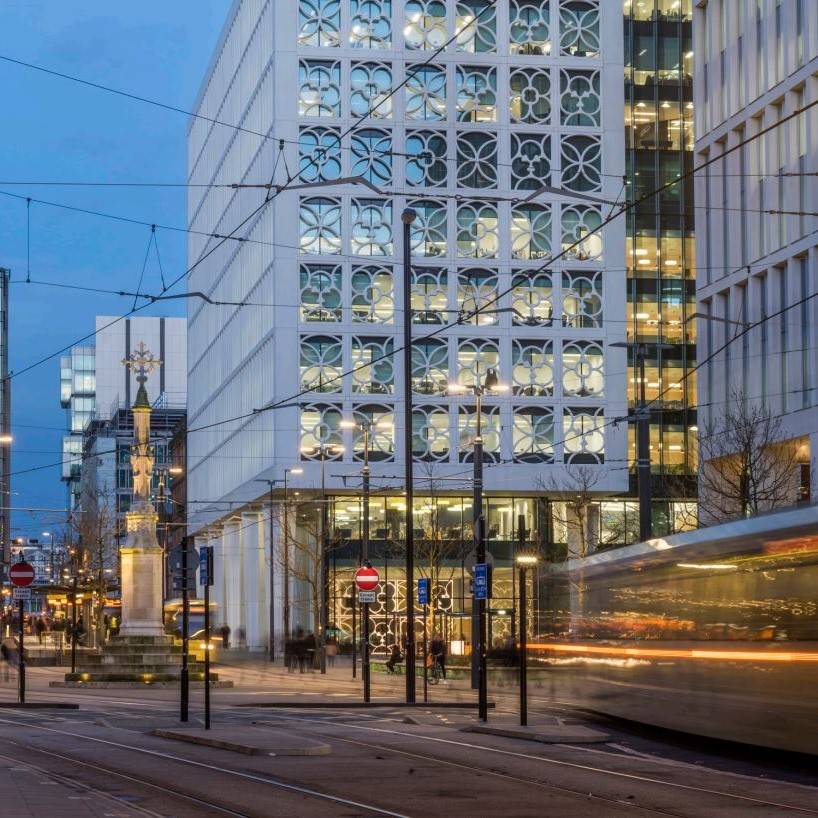
 Paradoxically, more in-person work environments and the concentration of jobs in cities could be a medium- to long-term impact of the pandemic’s shift to remote working, suggests Citi GPS Technology at Work: The Coming of the Post-Production Society, a report produced by Citi and the Oxford Martin School at the University of Oxford. The report cites the automation of manufacturing and clerical tasks alongside the potential for professional services jobs that can be done remotely to be done cheaper overseas as the start of a foundational shift in developed economies. The future of work in these countries, it suggests, could be based largely on innovation, exploration and creative thinking which require face-to-face interaction and geographic proximity. (more…)

 Women’s average working hours have taken a far smaller hit during the pandemic than men’s, with women who do not have children now working longer hours than ever before – in marked contrast to predictions of a ‘shecession’ at the start of the pandemic, according to new research by the
 Occupiers and landlords of commercial property should partner on a path towards full economic reopening by taking decisive action to address commercial rent challenges, says the

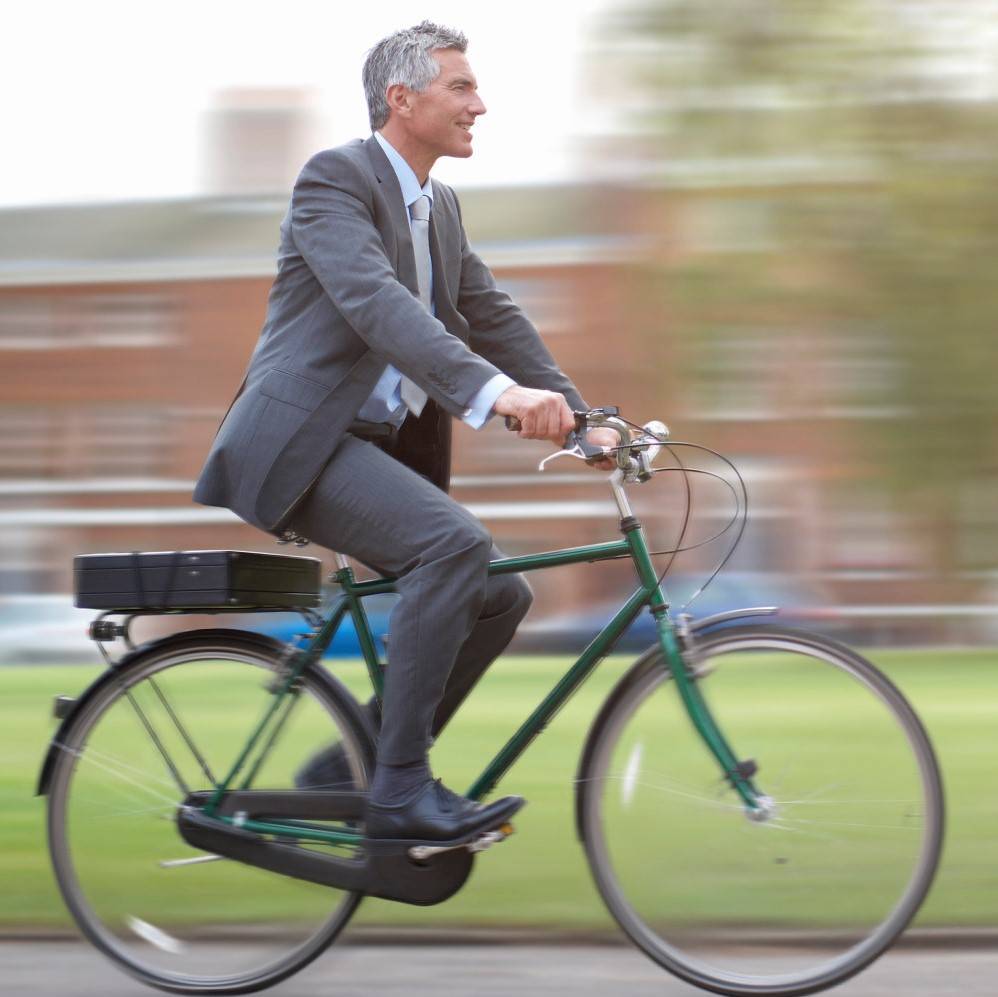
 Organisations and businesses have a lot to contend with as they begin to reopen their offices. From social distancing, working from home policies, office layouts, hand gel stations and more. But there also remains one key issue when it comes to welcoming employees back to the office. And that’s how they will get to work in the first place. That’s because the daily commute is going to look a lot different than it did pre-COVID. Firstly, while many employers and workers see the benefit of meeting in person, the hybrid world we now live in will see workers commuting to the office far less frequently. And, if they do travel to the office, there is an element of hesitancy about how they will get there; a recent study revealed
 Long working hours led to 745,000 deaths from stroke and ischemic heart disease in 2016, a 29 per cent increase since 2000, according to the latest estimates by the World Health Organization and the International Labour Organization published in
 At 6.31 a.m. on Tuesday, December 8, 2020, the UK became the first country in the world to administer the COVID-19 vaccine. Just over five months earlier, I had been deployed to the NHS England and NHS Improvement COVID-19 vaccination programme to help drive the highly complex design and planning needed to bring the nation to this point. My role involved leading the set up and embedding of the Estates, Equipment, Consumables and Logistics workstream. The purpose of this was to establish and combine the new and existing infrastructure required in England to manage the distribution, regulation and administration of multiple vaccines so that all systems would be ready to vaccinate on the ‘go-live’ date.
 Employees experience more bullying on days with higher work pressure and passive avoidant leadership, finds
 Skills have become the new currency of workforce and talent strategies, as more than half of organisations that responded to the
 Many of us are looking forward to a summer of relative freedom, with road-mapped milestones that will grant us more opportunities to see our friends and family. But we’ll be carrying the effects of months of isolation into those meetings, including a sense that our social skills will need dusting off, and our wits will need sharpening. The mental effects of lockdown have been profound. Social isolation has been shown to cause people’s
 The UK civil service is set to pioneer a widespread hybrid working strategy with the announcement of a new deal with serviced office provider IWG. The details of the deal,








June 25, 2021
Trees can’t solve the climate change problem. That’s our job
by Scott Petersen • Comment, Environment, Facilities management