







July 11, 2018
Avenue HQ is named as Coworking Space of the Year by IPSE
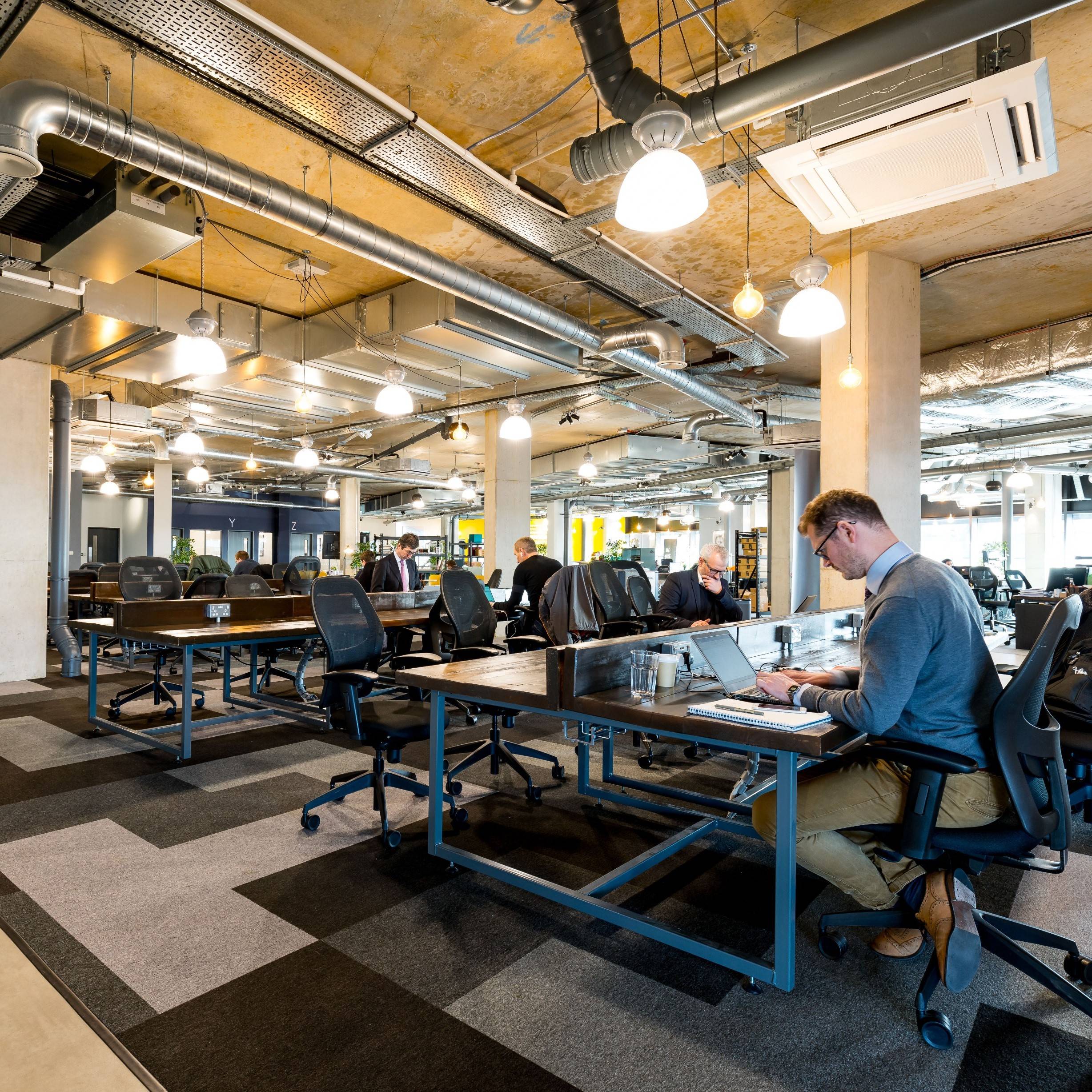 Liverpool’s Avenue HQ has been crowned ‘National Co-Working Space of the Year’ by The Association of Independent Professionals and the Self-Employed (IPSE). The award claims to ‘recognise and celebrate the important role coworking spaces play in creating a nurturing, inclusive and stimulating environment for the UK’s 4.8 million-strong self-employed workforce’. The coworking industry is booming globally as companies of all sizes recognise the importance of working environment on employee and business performance. Pioneered by start-ups, entrepreneurs and freelancers, a growing number of companies, large and small, are incorporating the concept and rapidly reaping the benefits.


 Built environment organisations are calling for urgent action on issues such as consumption, innovation and infrastructure to prevent the UK slipping behind other nations on poverty, equality and the environment as a new report released today (3 July 2018) highlights the UK’s inadequate performance against the United Nations Sustainable Development Goals (SDGs), including those for the built environment. The report, Measuring up, from the UK Stakeholders for Sustainable Development (UKSSD), is the first comprehensive assessment of the UK’s performance against all 17 SDGs and highlights a significant danger that quality of life in the UK will worsen if action is not taken. Just some of the findings of the report include; that the UK is performing well (green) on only 24 percent of its targets; no industry, innovation and infrastructure targets have achieved a ‘good’ performance rating, with gaps in policy coverage and inadequate or deteriorating performance and large scale, sustained investment in replacing ageing infrastructure and creating additional resilient and low carbon infrastructure of all kinds is required.
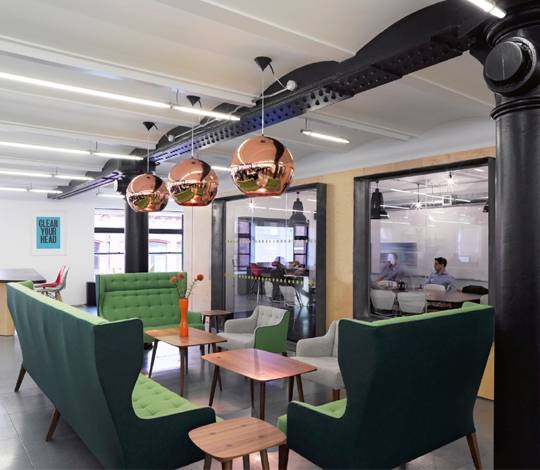

 Nearly half of UK managers (45.1 percent) are ill-prepared for the role, and a quarter (25 percent) of employees say their manager does not have the right skills for effective management, claims new research by Bridge by Instructure. The study, based on interviews of 1,000 managers and employees across the UK on their attitudes towards both management and learning and development, revealed that more than half of those who responded (53.4 percent) think managers need more training to perform as a manager and, almost half (45 percent) think managers need to be given time to operate as a manager rather than having those responsibilities ‘bolted on’ to their existing role.
 The way to measure an employer’s speed of innovation includes how they find talent, their appraisal process, how employees recommend the organisation they work for to others, and how much employees collaborate, claims a new European study by Cornerstone OnDemand and IDC. “Future Culture: Building a Culture of Innovation in the Age of Digital Transformation” explores the relationship between European organisations’ speed of innovation and talent management, with the research showing that firms with a steady stream of new products and services are more likely to have an ongoing feedback process with employees, rather than an annual performance review, while organisations with a slower rate of innovation often use coaching and mentoring to develop employees.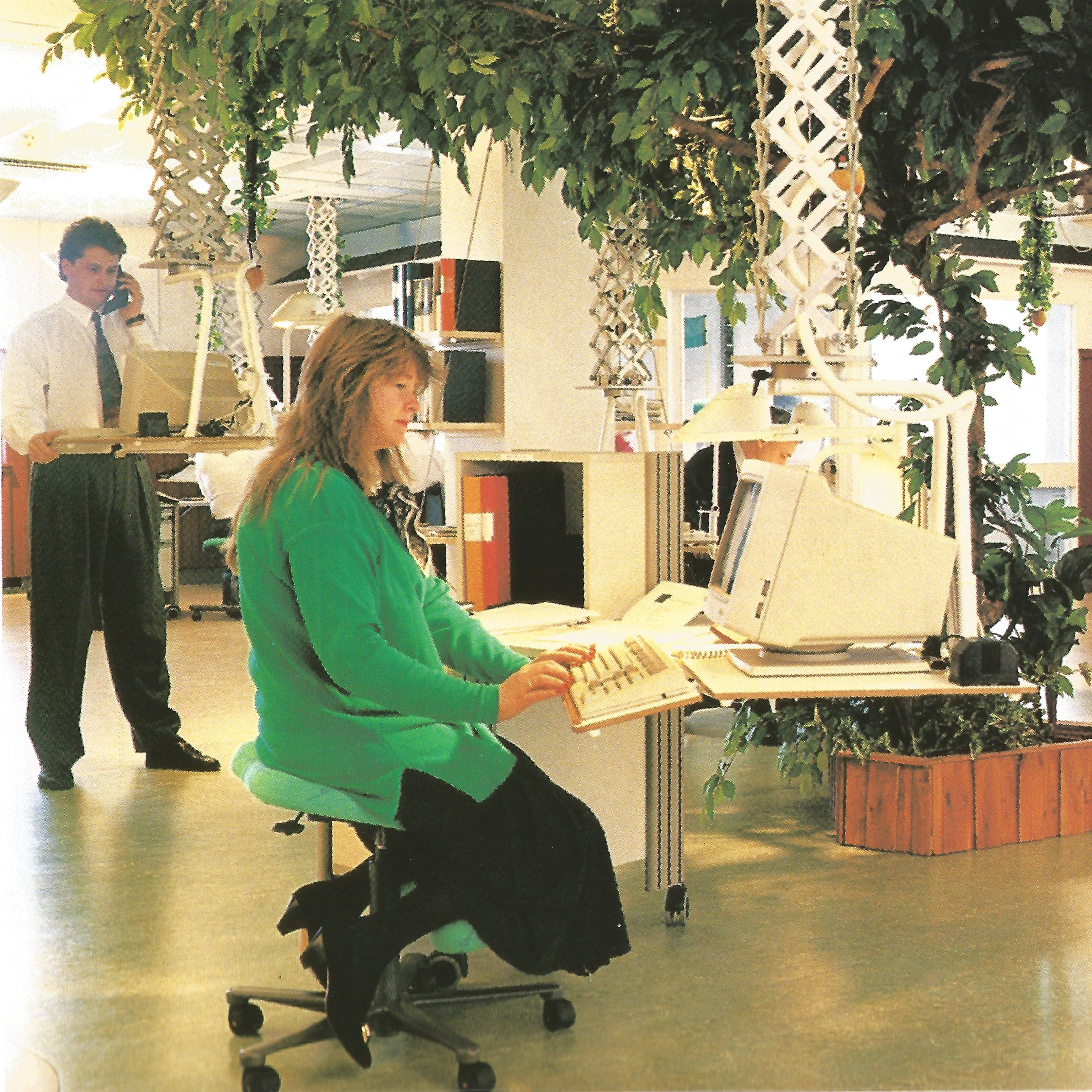













July 6, 2018
A storm brewing around the workplace and facilities management
by Cathy Hayward • Comment, Facilities management, News, Workplace design