







August 15, 2022
Benefits of zero-hours contracts outweigh downsides for most people
 New research from the CIPD suggests there needs to be a more balanced and nuanced debate about their place in the labour market, that recognises both the positives and downsides to zero-hours work. The CIPD’s new research ‘Zero-hours contracts – Evolution and current status’– claims that this kind of arrangement – where there’s no guaranteed minimum number of hours that must be worked – is an established part of the UK labour market. It finds that the number of people on ZHCs has changed little since 2015, making up just 3 percent of employment. Fewer than a fifth of employers (18 percent) use ZHCs, and they’re most often used in the hospitality and entertainment industries, in the voluntary sector, and typically in roles such as bar staff, waiters/waitresses, and care workers. (more…)




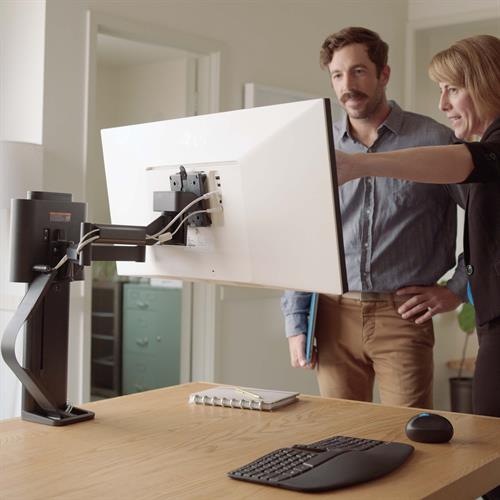
 Remote working swiftly evolved from a stopgap lockdown solution into a globally successful workstyle – and it’s set to stay. According to research quoted by
 A survey of hybrid-office and home-based UK workers gives insight for employers into some of today’s biggest needs for office workers to carry out their roles. 73 percent of UK workers believe that the provision of ergonomic work conditions, as well as support for their health, will play a bigger role when choosing a company to work for.
 New research has highlighted concerns over the treatment of staff in the world of hybrid work. The
 As SMEs (small and medium-sized enterprises) grapple with a myriad of challenges to keep their companies running successfully,
 As rush hour traffic returns to pre-pandemic levels and bosses call time on working from home, Stockport-based and photo ID card specialists
 Research from









July 8, 2022
Four day week should be about people, not productivity
by Mick Jordan • Comment, Flexible working, Wellbeing