






February 19, 2018
The key to tackling future economic challenges is to harness the ageing workforce
 Providing American seniors with better work incentives and opportunities will be crucial for the United States to meet the challenges of its rapidly ageing population. By 2028, more than one in five Americans will be aged 65 and over, up from fewer than one in six today, according to a new OECD report. Working Better with Age and Fighting Unequal Ageing in the United States finds that employment rates among older workers in the United States are above the average across OECD countries. In 2016, 62 percent of all 55-64 year olds were employed compared with the OECD average of 59 percent. However, employment rates are much lower among the ageing workforce. Early retirement is prevalent among workers from vulnerable socio-economic backgrounds, often occurring as soon as Social Security benefits become available at age 62. Poverty among seniors is a challenge: more than 20 percent of peopled aged 65 and over have incomes below the relative poverty line – defined as half of the median disposable household income – compared with the OECD average of less than 13 percent.







 Managers are working an extra 44 days a year over and above their contracted hours, up from 40 days in 2015. These long hours are taking their toll, causing a surge in sick leave amongst managers suffering from stress and mental ill health, claims the Chartered Management Institute (CMI), which is calling on UK employers to provide greater support. Long hours and constant communication are having a detrimental effect on the wellbeing of managers it argues resulting in one in ten managers taking time off for mental health in the last year, and for those who do take time out, it’s for an average of 12 days. Of the 1,037 managers surveyed for the report, the average boss puts in an extra day each week. This is an extra 7.5 hours beyond their contracted weekly hours (44.4 hours actual compared to 37.3 contracted), adding up to an extra 43.8 days over the course of the year. This is up from 39.6 days in 2015. The rising gap between contracted and actual hours of work is in addition to an ‘always on’ digital culture, with 59 percent of managers saying they ‘frequently’ check their emails outside of work – up from 54 percent in 2015.



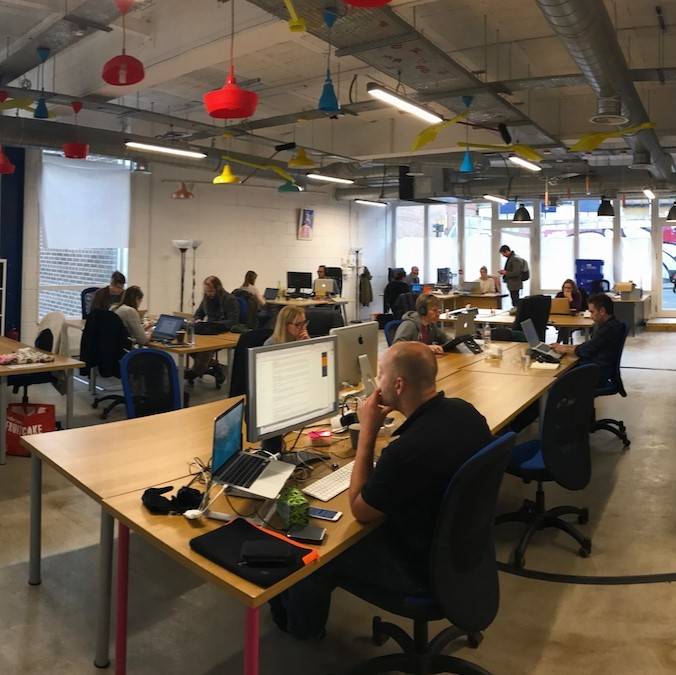



 Two-thirds (64 percent) of employees have gone to work despite being unwell over the last 12 months, claims a new survey which found that a quarter (26 percent) of people worried that their absence will be a burden on their team. The research by Bupa shows that more than one in four (27 percent) employees ignore their doctor’s orders to stay at home and ‘soldier on’. A third of employees would go to work despite back pain or issues related to their joints and, disturbingly, a similar number (29 percent) head to work when suffering from mental health issues such as depression. As two of the most common reasons to be signed off work, Bupa’s experts fear these employees risk worsening their health, increasing the likelihood that they’ll need a prolonged period of time off work further down the line. The findings come at a time when increasing productivity is a strategic goal for most business leaders in 2018. But high levels of ‘presenteeism’ are in fact associated with loss of productivity and reduced performance – as employees who push themselves into work when unwell, risk delaying their own recovery










February 5, 2018
Developing a cultured nose for what makes workplace design great
by Steve Brewer • Comment, Workplace design
(more…)