Search Results for: skills

Social mobility is restricted by lack of confidence and support in careers

Social mobility is restricted by lack of confidence and support in careers

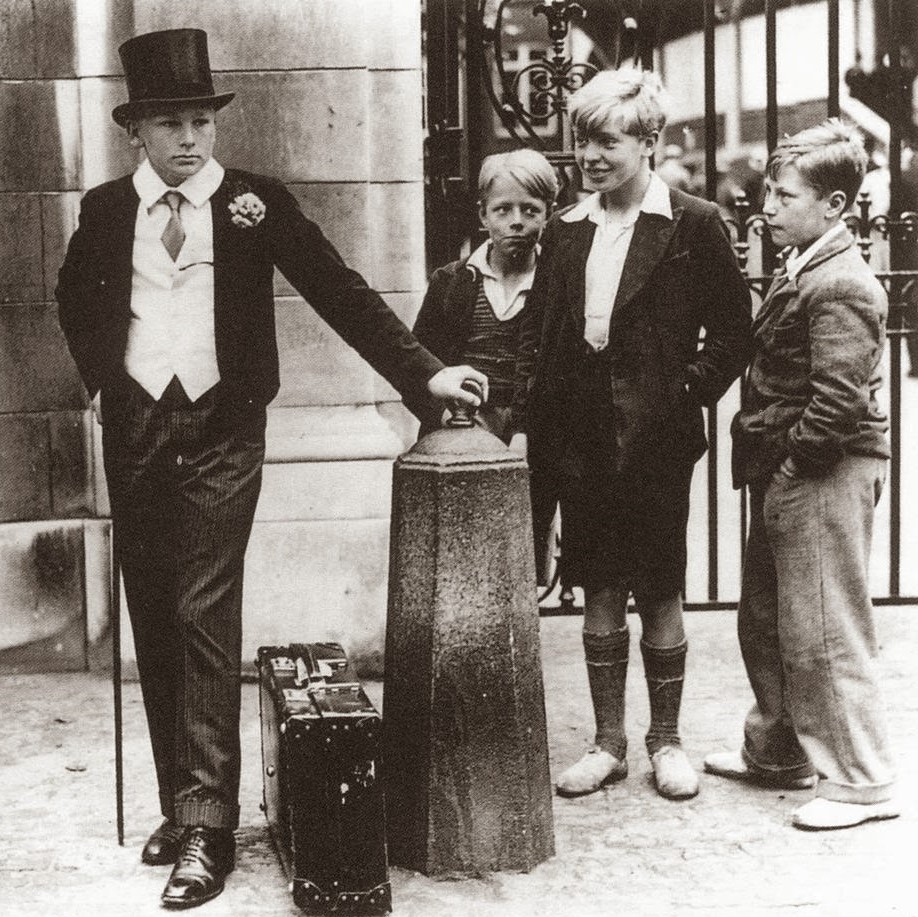
social mobilityA new report from Totaljobs and the Social Mobility Foundation claims that the social mobility of millions of people from lower socioeconomic backgrounds is hampered by a lack of confidence in choice of career and lower levels of support from families and friends. Of those that started their first job in the last two years, only 50 percent from lower socioeconomic backgrounds said they were confident about eventually being able to do the job they want. This contrasts with the 71 percent of those from more privileged, professional backgrounds. This gap has widened since the pandemic. (more…)

Going with the flow in the way we work

Going with the flow in the way we work

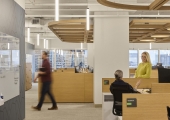
Sedus Smart Office

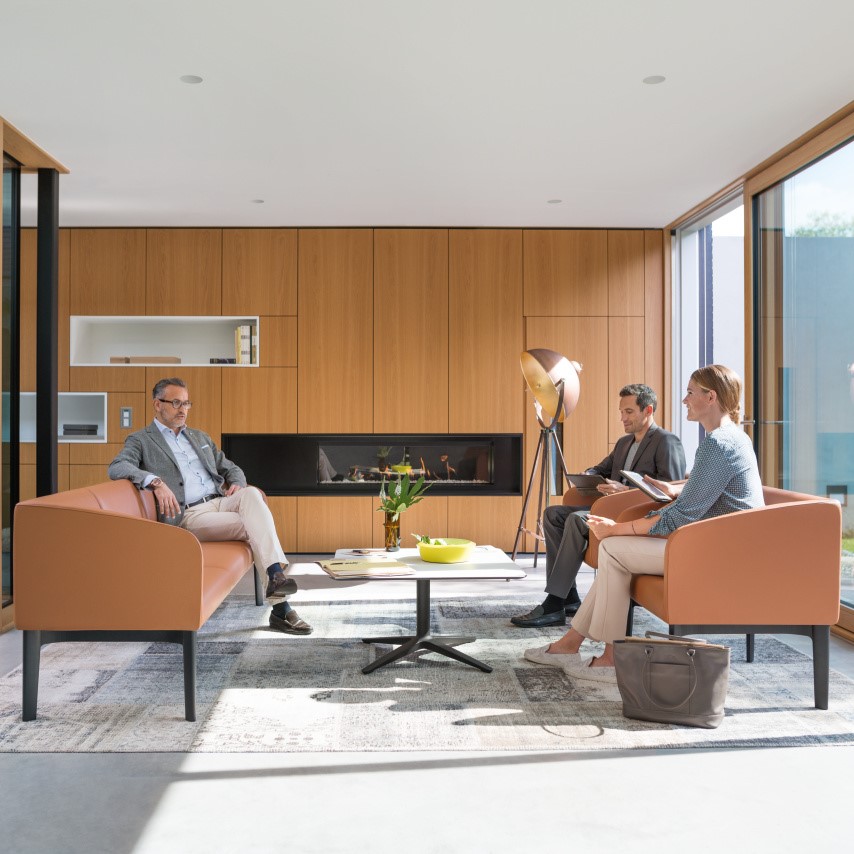
Throughout history we’ve been aware of the state we now refer to as flow. It describes the sensation of existing purely in the moment of some activity, effortlessly achieving what we have set out to achieve and unaware of distractions. Mystics have described it as ecstasy, artists as rapture and athletes as in the zone. This state was first described as flow by the Hungarian psychologist Mihály Csíkszentmihályi in 1975 and has been developed by him and a wide range of other researchers in a number of fields since that time.

The essential characteristic of flow is an individual’s total and enjoyable absorption in an activity to the point that they lose a sense of space and time. It is related to focus but it is not the same. Flow is a state of transcendence and it is just as important in office design as any other domain of human activity.

The idea has been widely talked about as a desirable state in which to complete work, especially creative tasks. Indeed, the idea of heightened states while engaged in tasks predates the work of Csíkszentmihályi. Perhaps the best-known organisational psychologist of all time Abraham Maslow coined the term peak experience to describe intensely joyous and exciting moments. In these moments, we feel more whole, integrated, aware of ourselves and deeply happy. Maslow described them as those “moments of highest happiness and fulfilment” in his 1964 work Religions, Values, and Peak Experiences. He linked them to the idea of self-actualisation from his famous Hierarchy of Needs.


Flow is more common at work

Such moments are more likely when we are at work than in other periods of our lives and are relatively common. According to an article by Csíkszentmihályi published in Psychology Today, in a survey of 6,469 Germans, when asked how often they entered a flow state: 23 percent said often; 40 percent said sometimes; 25 percent said rarely; and 12 percent said never or don’t know.

[perfectpullquote align=”right” bordertop=”false” cite=”” link=”” color=”” class=”” size=””]Organisations should seek to develop activities, cultures and environments that make it easier for people to enter flow states[/perfectpullquote]

His own research using more objective methods found that work was better suited to the creation of flow states than passive activities such as watching television, leading him to conclude that ‘work is much more like a game than most other things we do during the day. It usually has clear goals and rules of performance. It provides feedback either in the form of knowing that one has finished a job well done, in terms of measurable sales or through an evaluation by one’s supervisor. A job tends to encourage concentration and prevent distractions, and ideally, its difficulties match the worker’s skills.’

Csikszentmihályi argues that organisations should seek to develop activities, cultures and environments that make it easier for people to enter flow states in their work. This isn’t just about making them more productive and more likely to have good ideas, although those are two of the most important outcomes. In his 2003 book Good Business: Leadership, Flow, and the Making of Meaning, Csikszentmihályi argues that fostering flow states improves morale by creating a sense of greater happiness and accomplishment. He looks at how flow states are essential for the creation of ‘good work’ in which you enjoy the feelings of “doing your best while at the same time contributing to something beyond yourself.” He also highlights the importance of regular feedback as an essential ingredient for the fostering of flow states.

For this reason, flow is not just an important goal for the individual. Because it contributes to organisational goals such as higher productivity, better ideas and improved morale, it can improve the overall performance of the organisation and encourage greater collaboration.

Csikszentmihályi concludes that there are three conditions for the creation of flow states at work:

• One must be involved in an activity with a clear set of goals and progress. This adds direction and structure to the task.

• The task at hand must have clear and immediate feedback. This helps the person negotiate any changing demands and allows them to adjust their performance to maintain the flow state.

• One must have a good balance between the perceived challenges of the task at hand and their own perceived skills. One must have confidence in one’s ability to complete the task at hand.

Designing for flow

There are several characteristics of an office environment that can encourage flow states and meet these prerequisites. The ability to focus and work free from distraction is perhaps the most obvious, but so too are the creation of an enjoyable working culture, strong bonds with colleagues, immediate feedback on tasks, an affinity with each job and regular communication with colleagues.

This demands a sophisticated and intelligent approach that embraces a number of features of office design. The most progressive office design concepts seem ready-made to deliver a working environment that can encourage flow states. By empowering people to work in ways that suit them best with a choice of work styles and offering the sorts of spaces in which people can enter flow states undisturbed, such offices increase the likelihood of flow. This principle of office design aligns completely with the characteristics of flow states.

In addition, the democratic structure of the space makes feedback significantly more likely, while the social spaces, collaborative space and more playful aspects of the design encourage people to be aware of ‘something greater than themselves’.

This article first appeared on the What’s Up blog of Sedus

Image: Sedus Smart Office

Business leaders wary that greater workplace flexibility could encourage ‘proximity bias’

Business leaders wary that greater workplace flexibility could encourage ‘proximity bias’

flexibilityWith the vast majority (86 percent) of UK businesses planning to offer employees greater flexibility around where they work, leaders are focused on ensuring employees feel included regardless of their location, according to new research from LinkedIn. This comes as LinkedIn has seen a 97 percent increase in remote jobs being advertised on the platform in the UK from September 2020 to September 2021. (more…)

Employers struggling to adapt employee experience to meet workforce needs

Employers struggling to adapt employee experience to meet workforce needs

employersDespite their best intentions, most employers are facing difficulties responding to changing employee expectations around employee experience and wellbeing during the pandemic. 69 percent of HR leaders admit that their efforts to improve employee experience are being held back by a lack of a clear strategy, and 76 percent report that they are struggling to adapt their employee experience to meet the needs of a hybrid workforce. (more…)

Increased workload does not dampen many people’s preference for remote work

Increased workload does not dampen many people’s preference for remote work

increased workload flexible workingAccording to a Kaspersky survey of 4,303 IT workers, 56 percent of employees have reported an increased workload since switching to remote working, with 19 percent describing the increase as significant. 40 percent did not notice a change in volume, and only 9 percent noted a decrease in the scope of work due to new working conditions. (more…)

An office reset was what we all needed, and wanted

An office reset was what we all needed, and wanted

The UK's best officePressing the ‘reset’ button is never easy. But I’m a firm believer that, once we do, we become much less averse than we perhaps expected to the change it inevitably brings. This is particularly true of the past eighteen months. From all of the sadness and hardship endured, we are beginning to emerge into a new, changed way of living. One that is both familiar and altogether different. The dichotomy is particularly evident in our workplaces. For many sections of the economy, the office was the ecosystem of our daily working lives. Initial questions of whether the office would survive quickly fell by the wayside, and a more interesting, nuanced, debate of what we want the office to be began. (more…)

Net zero target will be missed by over half of organisations, claims report

Net zero target will be missed by over half of organisations, claims report

missing net zeroJust 41 percent of UK organisations are on track to meet the Government’s target for net zero carbon emissions by 2050, according to new research released by Dr Chris Brauer, Goldsmiths, University of London in partnership with Microsoft. The findings suggest strong ambition and strategic vision on sustainability within UK organisations, but most leaders are struggling to translate that intent into action, with almost three quarters (74 percent) described as having “one foot in and one foot out” on sustainability. (more…)

Three quarters of UK businesses think that remote workers pose a greater threat than office workers

Three quarters of UK businesses think that remote workers pose a greater threat than office workers

workersIn a survey of UK cyber security, IT and business professionals commissioned by WatchGuard Technologies, 75 percent of respondents believe that remote workers pose a greater IT security risk to their business than office workers.

(more…)

Employee experience is more important than ever

Employee experience is more important than ever

Work cafe by Boss and the employee experienceEmployee experience has never been so high on the corporate agenda; with recent figures finding that over 69 percent of businesses are currently concerned about talent shortages and difficulty hiring. With this in mind, organisations that want to grow must provide a market leading experience in order to remain competitive and attract and retain new talent. Companies that invest in their unique employee experience make four times more profit than those who don’t. (more…)

One in five Brits left in dark over return-to-office plans

One in five Brits left in dark over return-to-office plans

officeMillions of British workers face uncertainty as a snapshot of the nation’s work practices claims that one in five employees are unsure whether they’ll be expected to work remotely, onsite, or a mix of both in the future. Without having a clear decision from their employer, some employees are unsure about their organisations’ return-to-office plans. (more…)

Risk of generational progress grinding to a halt unless young job seekers can level up too

Risk of generational progress grinding to a halt unless young job seekers can level up too

youngA new report highlights a combination of regional disparities in access to jobs for young people, a shrinking youth labour market and an unequal recovery. This could result in young people being ill-equipped to meet the future demands of the labour market, further compounding skills shortages currently faced by employers. (more…)

CMI calls on the Chancellor to invest in management and leadership or risk ‘levelling up’ failure

CMI calls on the Chancellor to invest in management and leadership or risk ‘levelling up’ failure

managementAhead of the Comprehensive Spending Review on 27th October, the Chartered Management Institute (CMI) is calling on the Government to commit to crucial investment in management and leadership as a central part of its ‘levelling up’ agenda. (more…)