







December 6, 2018
Constant switching between tasks kills productivity
 A new report claims that the modern habit of switching constantly between tasks is draining productivity. In a study of live desktop activity, the results suggest employees are forced to switch between up to 35 job-critical applications nearly once a minute – or more than 1,100 times every day – adding unnecessary complexity that reduces efficiency and frustrates workers. The study from Pegasystems analysed nearly 5 million hours of desktop activity of operational support employees – who primarily perform routine back office, data entry, or contact centre tasks – at Global 2000 companies from January to September 2018.


 The ongoing uncertainty around Brexit has had little impact on both workers’ desire for job stability, and businesses’ assessments of their economic prospects according to Gartner’s latest Global Talent Monitor report. In fact, the UK reported the highest business confidence rating of all European countries surveyed at 60, and above the global average of 57. For employers this has the knock effect that the number of UK employees looking to stay in their current job has fallen sharply over the past 12 months, as 23 percent of employees indicated a low intent to stay with their current employer, a 13per cent increase from the same period last year and 10 percent higher than the current global average (13 percent). While fewer UK workers are committed to staying with their current employers, the number of workers who reported a higher willingness to go above and beyond at work remained flat.
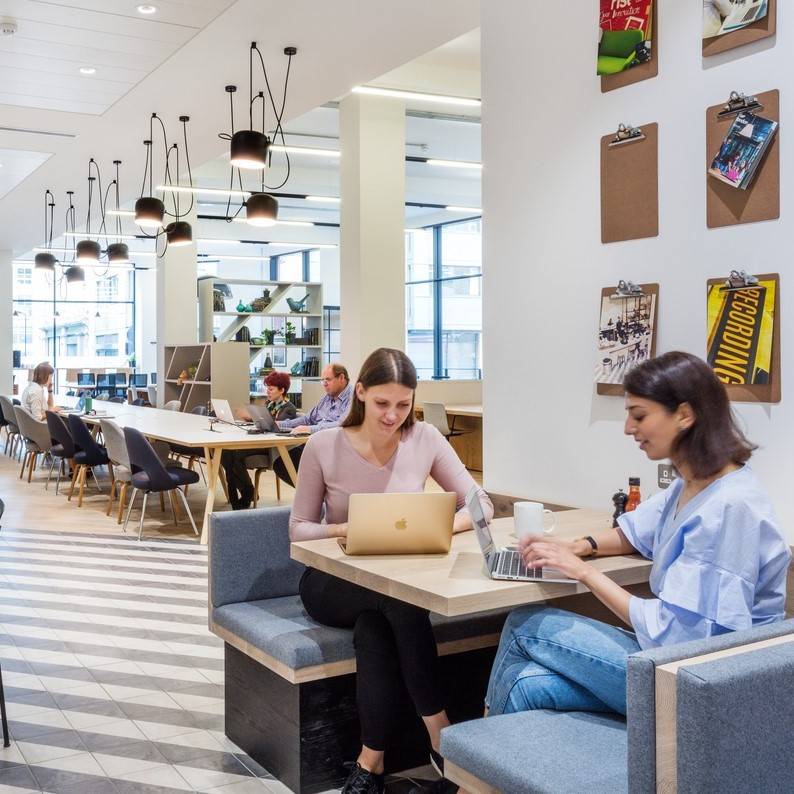



 All the chatter around the growth of flexible working might suggest it has now become the norm, but an academic paper refutes that view by revealing a third of all UK workers believe those who work flexibly create more work for others. A similar proportion believe their career will suffer if they use flexible working arrangements. This is the main finding from Dr Heejung Chung from the University of Kent who set out to analyse data from the 2011 Work-Life Balance Survey conducted by the government. Specifically, she wanted to examine whether stigma against flexible workers exists, who is most likely to hold such beliefs and who is most likely to suffer from it. The research also found that the majority of respondents that held negative views against flexible workers were male, while women and especially mothers were the ones who were most likely to suffer from such stereotypes.


 Over a third (35 percent) of UK workers continue to work when then get home from the office, claims research from









December 5, 2018
The war for talent is over and we need to face up to new opportunities and challenges
by David Corcoran • Comment, Workplace
(more…)