







May 19, 2021
The Furniture Makers’ Company announces Design Guild Mark 2021 holders
 Innovation of materials and creativity remain at the forefront of British design as 27 outstanding submissions from three categories are to be awarded the coveted Design Guild Mark in 2021. The Design Guild Mark is awarded by The Furniture Makers’ Company, the City of London livery company and charity for the furnishing industry, to drive excellence and raise the profile of British design and innovation. It recognises the highest standards in the design of furnishings in volume production across three categories – Furniture, 2D Design and, new for the 2020/2021 intake, Lighting Design. The award is open to designers working in Britain or British designers working abroad. (more…)
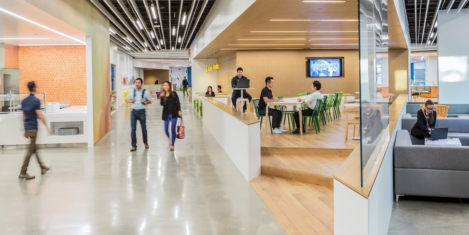
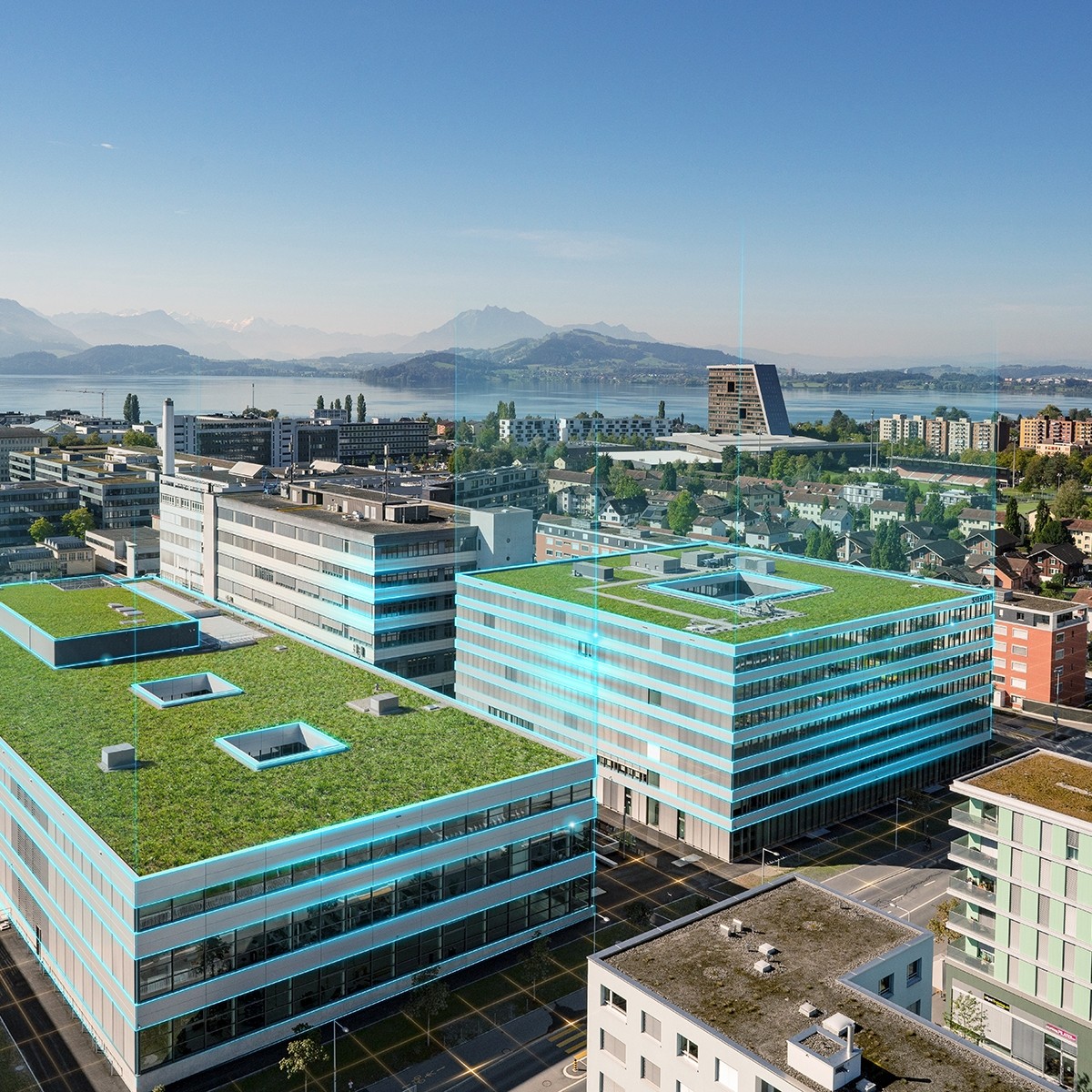
 Every week a new survey is published or a statement from a CEO hits the press related to corporate occupier’s desire to adopt a form of hybrid working for the long-term post Covid 19. And as a result, the desire to occupy less space in their central office hub. Landlords are asking- What do we do now to attract and keep great occupiers, and fill our buildings? I have an idea that is of its time. A time when the world has started to cooperate, collaborate, and work towards a common purpose. When work, life, values, and priorities are shifting. Employers are seeking to look after their people in a holistic way in and out of the office.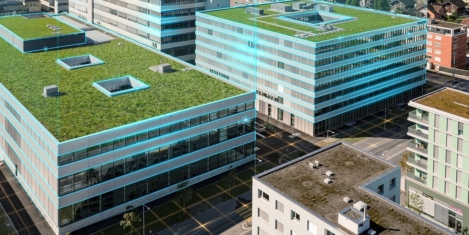
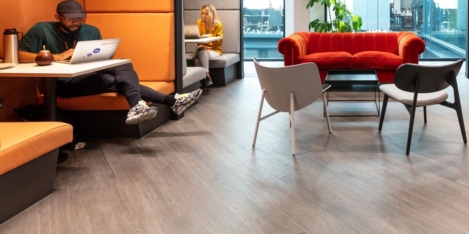
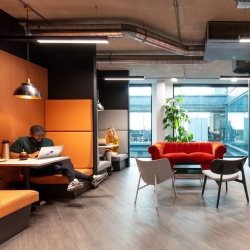 Hybrid working runs the risk of becoming a blanket term, interpreted on a very surface level, when it has the potential to offer a much greater opportunity for businesses to open up and re-examine the culture and experience of their staff, alongside where they want to take their business in the future, as well as fast-tracking mental health and wellbeing to play a central role in workplace strategy.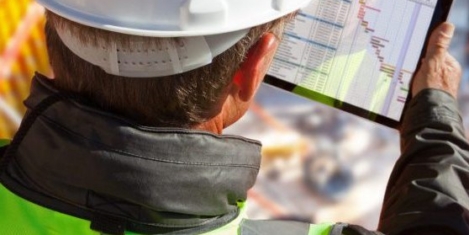
 New office developments and major refurbishments in the UK will be able to formally register under the Design for Performance framework. The framework claims to help developers ensure that projects deliver against their design intent and overcome the well-evidenced performance gap between design and operation. This is achieved by requiring project teams to target an operational
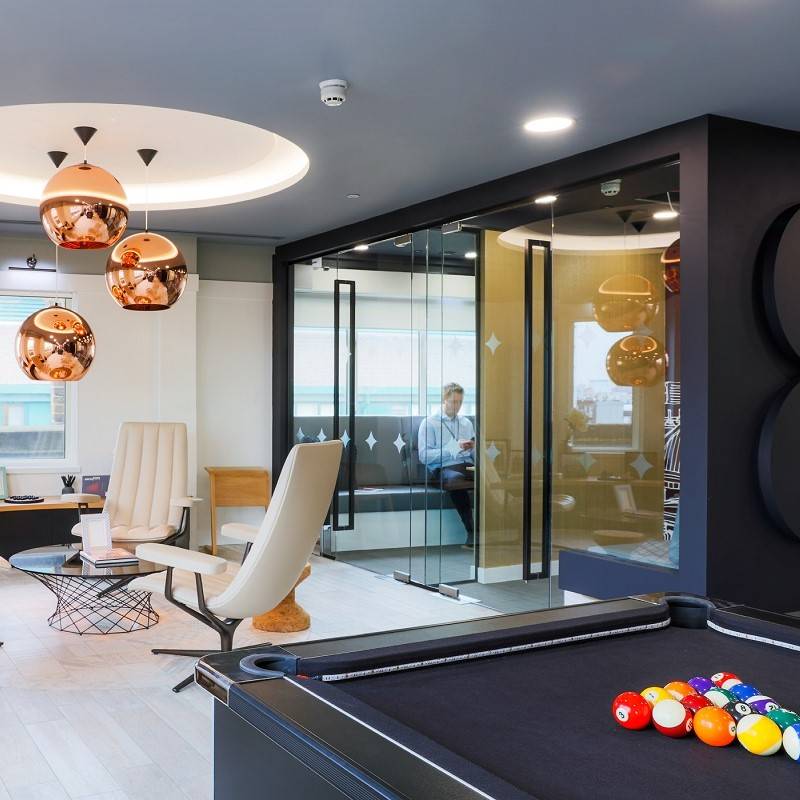

 Many organisations make bold claims about their zero carbon ambitions. Even if they don’t, most have sustainability statements. Yet the environmental impact of office furniture and sophisticated approaches to sustainable office design seem to be way down the ‘pecking order’. During the last year, we have read considerable commentary about the office – starting with its death but moving onto predictions of the ‘new dawn’ with more versatile and healthier workspaces.
 You may have heard it said that any idea repeated often enough develops some form of legitimacy. We’ve had plenty of reason to reflect on whether this notion is true or nor over the past year, especially as all-encompassing pronouncements about the future of work have proliferated and intensified. The problem is exacerbated by the fact that around 80 percent of people
 We are scarcely nine months into the Covid-19 pandemic, after a long spring and harsh summer. Social distancing has led to remote working becoming widespread, leading to doubts regarding the office’s long-term relevance. However, Jones Lang LaSalle (JLL) argues in a recent







May 11, 2021
Organisations are finally getting their heads around what the office is really good at
by Gill Parker • Comment, Workplace design