








August 22, 2016
Managers and staff in creative sector disagree on what makes a creative office 0
 According to a survey by recruitment firm The Creative Group, managers and employees in US based ad agencies don’t see eye to eye on the essential characteristics of a creative office. When asked what the ideal work environment is for on-the-job innovation, the top response among advertising and marketing executives was an open plan workplace. Employees, however, seem to prefer more private, concentrated time, with a private office being the most popular option. According to the study of 1,400 US based ad agency managers, executives and employees, over a third of managers favour open plan environments compared to just a quarter of employees. Twice as many employees as managers would also rather have a private office. Around a fifth of both groups opt for a cubicle. Perhaps the most interesting finding of the report is that just 4 percent of both groups think the best option is remote working.

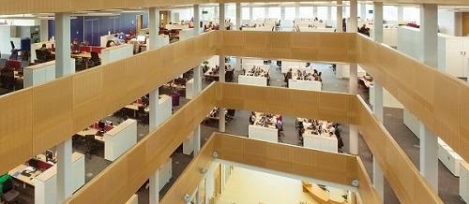
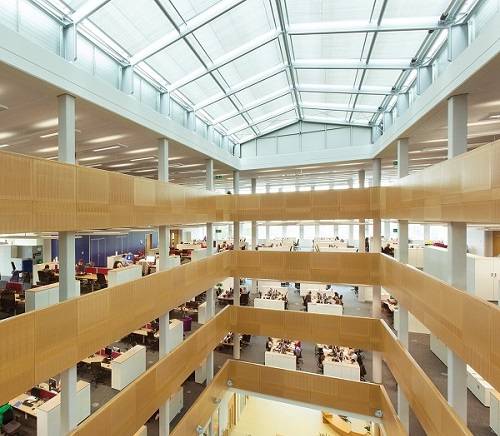
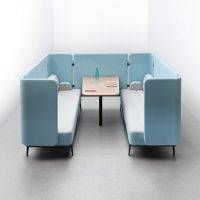 A skim through workplace features in the media and you’d be forgiven for thinking that the traditional office is no longer with us. According to the narrative, we’re all now 20-somethings, working in open-plan warehouses, with table football, bean bags and comfy sofas to lounge on, while drinking our custom-made soya lattes. When in actual fact, while more relaxed, fun and funky offices tend to make the headlines, the majority of people still work in a relatively traditional way, with their PC or laptop, a desk and an ergonomic task chair. What’s more, with an ageing workforce, we certainly aren’t all 20-somethings, with DWP (Department of Work and Pensions) figures revealing that the employment rate for people aged 50 to 64 has risen by 14 per cent in the last 30 years, and doubled for over 65s. So designing with just the youngsters in mind simply doesn’t add up. Recent research by the Senator Group, backs up this view.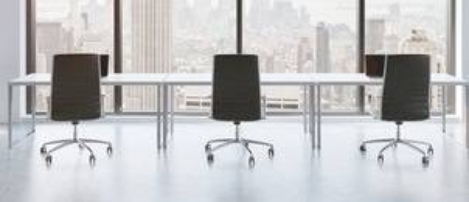
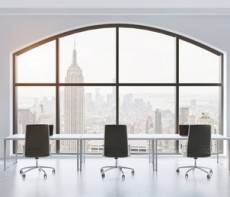 The corporate real estate profession will be influenced, disrupted and transformed in the years ahead by a powerful combination of forces that are re-shaping business strategy and operations, consumer preferences, and how and where people want to live and work, according to a new report from CoreNet Global.
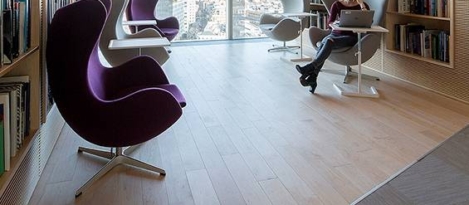
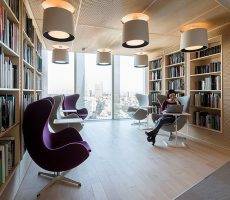 1 The next big thing in office design is not what you think but is certainly a sign of the times, according to a story in Inc; it is


 There is a lurid headline in today’s Telegraph proclaiming that ‘Working in an office is as bad as smoking’. It’s been picked up by a number of other news outlets, has been splashed all over search engines and will no doubt join
 Giving employees more control over workplace design is the single most important contributing factor to their wellbeing, according to a new study. The Workplace & Wellbeing report examines the workplace design factors that influence wellbeing. The research team discovered that an invitation to participate in the design of the work environment raised levels of wellbeing, although increasing the level of participation did not necessarily increase the level of wellbeing. The research was led by the Royal College of Art’s Helen Hamlyn Centre for Design in partnership with architects Gensler and supported by a consortium of leading industry names: Milliken, Bupa, Royal Bank of Scotland, Kinnarps and Shell. The context for this project lies with a current ‘wellbeing deficit’ in the workplace which means absence from work costs the UK economy more than £14 billion a year according to the Confederation of British Industry.








August 17, 2016
Do people really matter when we design workplaces? 0
by Steve Maslin • Comment, Events, Facilities management, Workplace design
(more…)