








April 6, 2017
UK productivity is up but the underlying puzzle remains unsolved 0
 The latest productivity data from the Office for National Statistics shows that UK productivity is up, although the accompanying briefing admits that the data ‘provides little sign of an end to the UK’s productivity puzzle’. According to the report, output per hour increased in the final quarter of 2016 at its fastest rate for more than a year. Quarterly growth of 0.4 percent lifted output per hour 1.2 percent higher than a year ago. While the productivity puzzle is a feature of most developed economies, it is particularly intransigent in the UK, which has a significant gap compared to other nations such as Germany, the US and France. This is despite the fact that Britons spend more time working than those in any comparable nation, except the US.

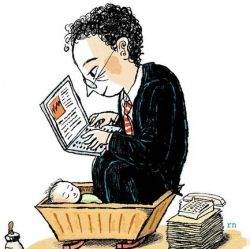 It is two years since the introduction of Shared Parental Leave (SPL), where couples were given the ability to share leave surrounding the arrival of a new addition to their family; and while sharing leave is seen to have a profound beneficial impact for the family, there are still plenty of barriers. According to



 UK employers are unprepared for gender pay gap reporting legislation, with more than a third (32 percent) failing to review salaries across genders to safeguard against pay discrimination. This is despite the fact that the Equality Act 2010 (Gender Pay Gap Information) Regulations 2017 come into force later this week (6th April) which will require UK companies with more than 250 staff to keep records of gender pay and bonuses. Totaljobs’ survey of 4,700 employees and 145 employers found that 82 percent of companies are not reviewing their gender equality/equal pay policy and 58 percent don’t have salary information available across roles and genders. Little more than half (53.1 percent) of employers feel “very confident” that salaries are equal across the genders. While employers will be required to keep salary records, the research showed men are currently more likely to receive a bonus than women and typically receive more. In the past year, 43 percent of men received a bonus of £2,059, on average, versus 38 percent of women, who, on average, received £1,128.






 Today (29 March) the Prime Minister triggers Article 50 to begin the UK’s exit from the European Union, and a new piece of research claims that almost two thirds (62 percent) of HR professionals expect this to impact their HR strategy and more worryingly, over a third (35 percent) say that the leave vote will impact the profits of their business. According to the research from employee benefits specialist Secondsight, 37 percent have opted not to hire over the coming year, and 39 percent agreed that recruiting the right people into their business will now be more difficult than before the decision to leave was made. However, on a more encouraging note, 95 percent of the HR professionals surveyed will see their budget rise in 2017, and 18 percent plan to introduce new benefits in the year ahead.
 Flexible working can increase employee job satisfaction and organisational commitment, but staff who work flexibly under an ad hoc arrangement appear to perform better than those who go through a more formal process, according to research from








April 3, 2017
Brexit should be a chance for the UK to enshrine employment rights 0
by Chris Rowley • Comment, Legal news, Workplace
(more…)